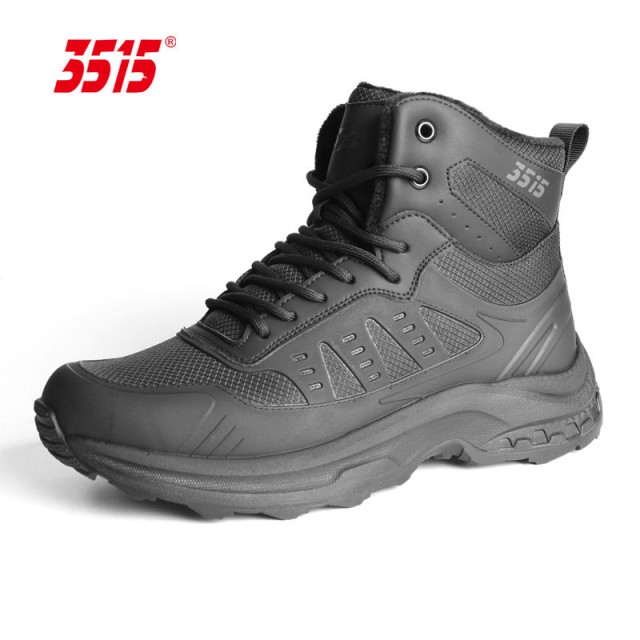
For law enforcement professionals, footwear isn't just about durability—it's about adapting to the dynamic needs of feet during extended shifts. Research shows that improper lacing can exacerbate foot swelling by up to 40%, directly impacting mobility and endurance. This guide reveals science-backed methods to transform standard-issue boots into customized support systems.
The Critical Role of Lacing in Tactical Footwear Performance
How Foot Swelling and Pressure Points Impact Police Shifts
During 12+ hour patrols, feet typically expand by half a shoe size due to fluid retention and repetitive impact. Key pressure zones—the metatarsals, heel, and instep—bear the brunt of this stress, often leading to:
- Blister formation at friction points
- Reduced circulation causing numbness
- Accelerated fatigue impairing reaction times
Biomechanics of Lace Tension: Stability vs. Circulation
The ideal lacing system balances two competing needs:
- Anterior Tightness: Secure forefoot lockdown prevents slippage during pursuits
- Posterior Give: Accommodates natural Achilles tendon movement when crouching
Studies of military cadets demonstrate that strategic lace tension adjustments can reduce foot fatigue complaints by approximately 30%.
Advanced Lacing Strategies for Law Enforcement
Heel-Lock Method for Blister Prevention
Technique:
- Skip the second-to-top eyelet on both sides
- Cross laces vertically through top eyelets
- Thread ends horizontally through the skipped eyelets
- Tie normally
Why it works: Creates a pulley effect that anchors the heel without restricting ankle flexion—critical for stair descents and vehicle exits.
Adjustable Midday Loosening Techniques
-
Two-Knot System:
- Standard knot at base tension
- Secondary slip-knot for quick mid-shift loosening
-
Ladder Lacing:
- Parallel vertical segments allow section-by-section tension release
Patrol officers report these methods help maintain circulation during prolonged stationary periods (e.g., surveillance details).
Elastic vs. Non-Elastic Lace Material Tradeoffs
| Feature | Elastic Laces | Traditional Laces |
|---|---|---|
| Dynamic Fit | Auto-adjusts to swelling | Requires manual tweaking |
| Durability | 6-8 month lifespan | 12+ month lifespan |
| Tactical Drawback | Potential snag risk | Audible when moving |
SWAT teams often prefer hybrid solutions—elastic segments at the ankle with rigid laces through the midfoot.
Case Studies and Pro Tips
SWAT Team Footwear Protocols
- Pre-Mission Prep: Laces soaked in silicone spray reduce friction-induced breakage
-
Multi-Zone Tensioning:
- 8/10 tightness at forefoot
- 6/10 at midfoot arch
- 4/10 at collar
Common Lacing Mistakes in Patrol Duty
- Over-Tightening: Creates pressure ridges that cut off dorsal artery flow
- Under-Securing: Leads to toenail damage during downhill movements
- Static Patterns: Failing to re-lace after weight fluctuations (>5 lbs affects fit)
Step Into Better Performance
3515 equips distributors and agencies with purpose-engineered footwear designed for these advanced lacing techniques. Our manufacturing expertise ensures every pair accommodates the real-world demands of law enforcement—because when feet perform better, so do those who protect our communities.
Have you assessed how your current lacing method handles the 3pm foot swell? The difference between enduring a shift and mastering it often comes down to millimeters of adjusted tension.
Related Products
- Durable High-Ankle Tactical Boots for Wholesale & Custom Manufacturing
- Durable Leather Tactical Boots Wholesale & Custom Manufacturing for Brands
- High-Traction Suede Tactical Boots Wholesale & Custom Manufacturing
- Wholesale Waterproof Tactical Boots Custom Suede & High-Traction Soles
- Durable Leather High-Ankle Tactical Boots for Wholesale & Custom Manufacturing
Related Articles
- Why Your Tactical Boots Keep Failing—And Why 'Tougher' Isn't the Answer
- Why Your Tactical Boots Wear Out So Fast—And the Procurement Mistake Behind It
- The Agility-Protection Paradox: Deconstructing Safety in Modern Tactical Footwear
- Your "Tactical" Boots Are Failing. Here’s the Real Reason Why.
- Why Your Team Hates Their New Tactical Boots: A Buyer's Guide to What Really Matters



















