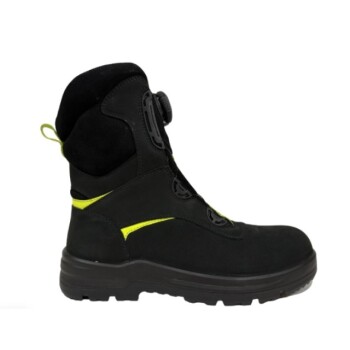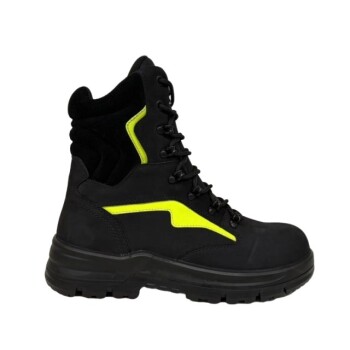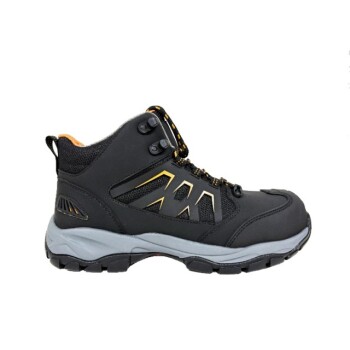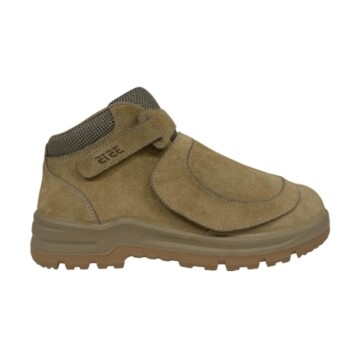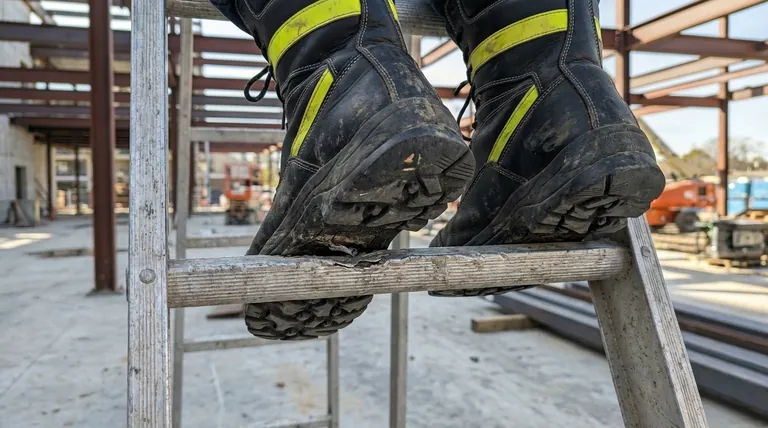
It's a familiar sight for any site manager or procurement officer: a pile of safety boots, barely six months old, ready for the scrap heap. The uppers look fine, and the heel and toe tread are still deep. But the middle of the sole—the arch—is chewed up, worn down, and compromised.
Alongside the physical waste is a stream of complaints from your most experienced team members. They report aching feet, leg fatigue, and a general lack of confidence when working at height, especially by the end of a long day. It’s a problem that seems like an unavoidable cost of doing business in a demanding environment.
The Vicious Cycle: Why "Better" Boots Often Aren't the Answer
When faced with this issue, most organizations react logically. The first instinct is to find a "tougher" boot. You might invest in footwear with thicker rubber soles, assuming more material equals more durability. When that fails to stop the concentrated wear, you might try boots with premium cushioned insoles, hoping to address the complaints about fatigue.
But the results are always the same. The boots still fail in the exact same spot, and the fatigue persists. This isn't just frustrating; it has serious business consequences:
- Skyrocketing Equipment Costs: Constantly replacing footwear destroys your budget and creates a logistical nightmare of reordering and refitting.
- Decreased Productivity: A worker experiencing foot pain and instability is a distracted and less efficient worker. Their focus shifts from the task at hand to simply staying comfortable and balanced.
- Increased Safety Risks: This is the most critical consequence. An unstable footing on a ladder rung is a primary contributor to slips and falls, leading to potential injuries, lost work time, and serious liability.
These common "solutions" fail because they misdiagnose the problem. You're treating the symptoms—wear and tear, and discomfort—without understanding the fundamental mechanical failure that’s happening with every step up a ladder.
The Real Culprit: It’s Not Wear and Tear, It’s Sole Flex
The root of the problem lies in a simple, brutal piece of physics. When a person stands on a narrow ladder rung, their entire body weight is concentrated on a one-to-two-inch-wide area directly under the arch of their foot.
Standard safety boots, even heavy-duty ones, are designed with flexible soles for comfortable walking on flat ground. On a ladder rung, this flexibility becomes a critical weakness.
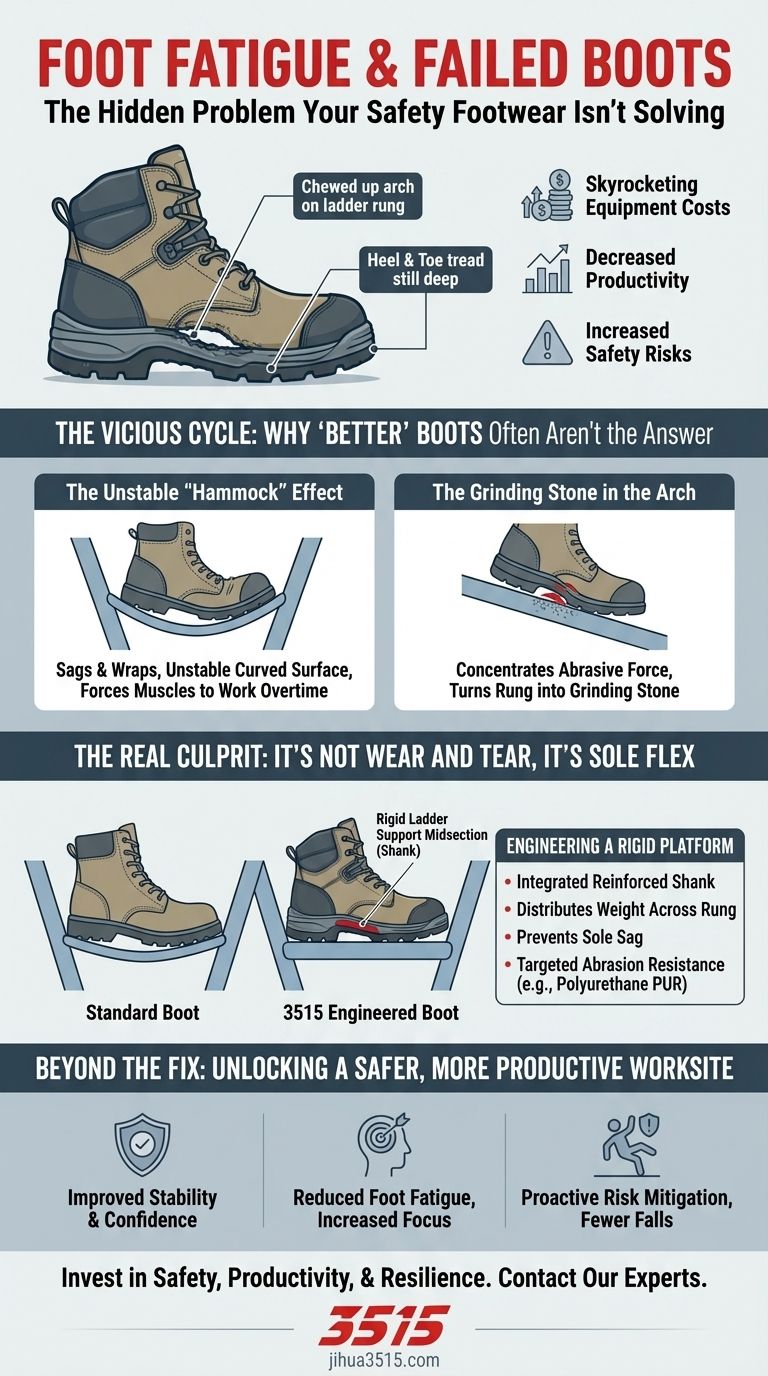
The Unstable "Hammock" Effect
Imagine trying to stand on a tightrope. A standard boot sole behaves similarly on a ladder rung. It sags and wraps around the rung, creating an unstable, curved surface. This "hammock" effect forces the muscles in the foot and leg to constantly work overtime just to maintain balance, leading directly to the severe fatigue your team reports.
The Grinding Stone in the Arch
This flexing also focuses all the abrasive force of the metal or fiberglass rung onto that small, sagging section of the sole. It effectively turns the rung into a grinding stone, rapidly eating away at the rubber. A thicker sole doesn't solve this; it just provides more material to be ground away. A cushioned insole does nothing to prevent the underlying structural collapse of the sole.
Until you stop the sole from flexing, you will never solve the problem.
The Right Tool for the Job: Engineering a Rigid Platform
To truly solve this issue, you don't need a thicker boot; you need a smarter boot. The solution is to prevent the sole from flexing where it matters most. This is achieved through an integrated ladder support midsection, often called a shank.
This isn't just an add-on; it's a fundamental piece of engineering designed specifically to counteract the forces of ladder work.
At 3515, we manufacture footwear based on these first principles. A boot designed for ladder safety isn't just a boot—it's a piece of purpose-built equipment. Here’s how our manufacturing capabilities address the core problem:
- Creating a Rigid Bridge: We integrate a reinforced shank made of a stiff, durable material into the midsection of the sole. This component acts as a solid bridge under the arch, distributing the user's weight across the entire rung. It completely prevents the sole from sagging, creating a stable, flat platform that feels like standing on a solid floor.
- Targeted Abrasion Resistance: The area of the sole that makes contact with the rung is molded using highly abrasion-resistant compounds, such as specialized polyurethane (PUR). This material is engineered to withstand the concentrated grinding action that destroys standard rubber, dramatically extending the boot's service life.
This design directly neutralizes the root cause of the failure. It doesn't just patch the symptoms; it eliminates the problem at its source.
Beyond the Fix: Unlocking a Safer, More Productive Worksite
When your team is equipped with footwear that is truly fit for purpose, the benefits extend far beyond simply buying new boots less often.
Solving this single, persistent equipment issue unlocks a new level of operational performance. Workers are no longer fighting their own gear. They can ascend, descend, and work from ladders with significantly improved stability and confidence. The reduction in foot fatigue means they remain more focused and productive throughout their entire shift, not just in the morning.
Most importantly, you are proactively mitigating one of the most common risks for workplace falls. By providing a stable foundation, you are making a direct investment in your team's safety and well-being, which translates to fewer incidents, better morale, and a stronger safety culture.
Choosing the right footwear is more than a line item in your procurement budget—it's an investment in the safety, productivity, and resilience of your entire operation. As a large-scale footwear manufacturer, we understand that every work environment presents unique challenges, whether it's ladder safety, slip resistance on oily surfaces, or electrical hazard protection. Our team of experts can help you analyze your specific operational needs and engineer the ideal footwear solution for your workforce. Let's build a safer foundation for your team, together. Contact Our Experts
Visual Guide
Related Products
- Puncture-Resistant Velcro Safety Boots for Wholesale & Custom Manufacturing
- Wholesale Durable Safety Boots | Custom Steel Toe & Puncture-Resistant Manufacturing
- Premium Grain Leather Safety Boots for Bulk Supply
- Heavy-Duty Waterproof Nubuck Safety Boots Safety Shoes for Bulk Supply
- Premium High-Cut Waterproof Safety Boots Manufacturing & Wholesale Solutions
Related Articles
- The Unseen Engineering: Why Steel Toes Succeed or Fail in Oily Environments
- The Anatomy of Trust: A Systems Approach to Workplace Foot Protection
- The Lacing Paradox: Why the Safest Boots Contain Their Own Greatest Risk
- How Industrial Professionals Can Balance Safety Boot Requirements with Professional Appearance
- How to Choose Safety Boots That Reduce Fatigue Without Sacrificing Protection