The Unforgiving Ground: A Psychological Shift in Workplace Safety
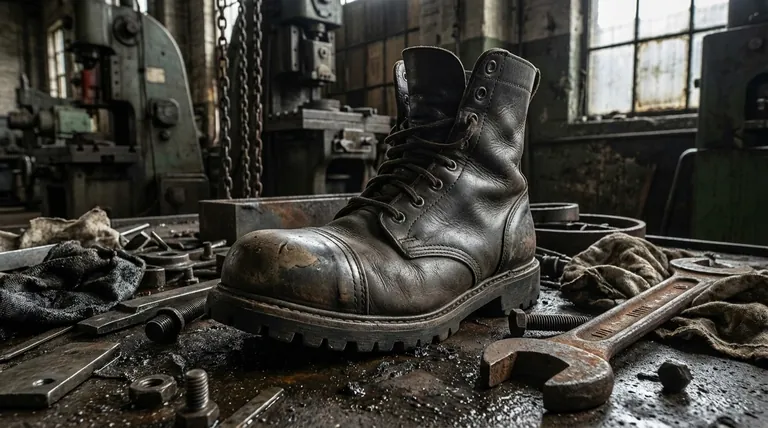
Picture a factory floor in the early 1930s. The air is thick with the noise of machinery and the smell of oil and metal. For the worker on that floor, the ground beneath their feet isn't a passive surface; it's a field of active threats. A dropped steel beam, a stray nail, a splash of caustic fluid—each represents a potential career-ending injury.
The psychology of that era wasn't about holistic well-being or ergonomic comfort. It was a stark calculation of risk. Workers' feet were profoundly vulnerable, and the thin leather or cloth shoes they wore offered more confidence than actual protection. The problem wasn't a lack of awareness; it was the lack of a viable solution.
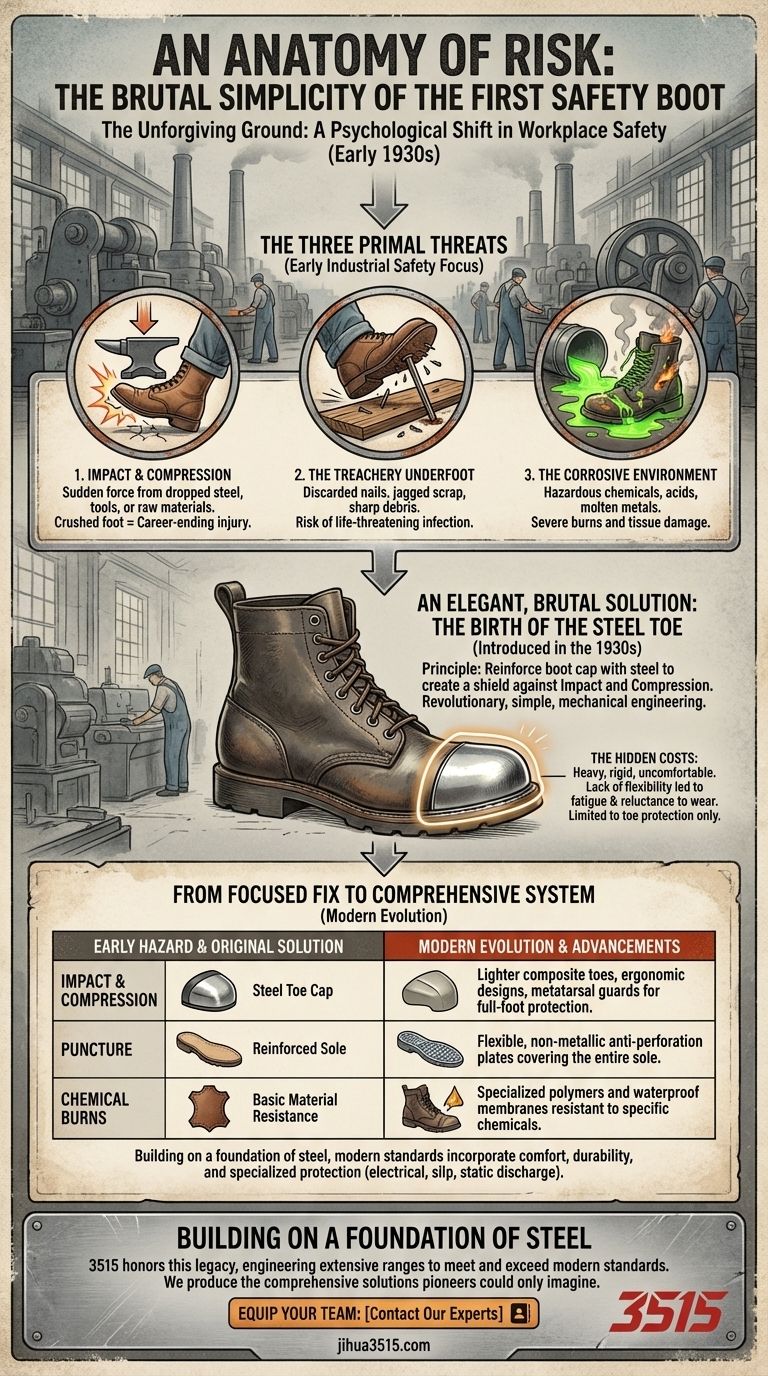
The Three Primal Threats
Early industrial safety was a direct response to the most common and devastating injuries. The focus was narrow and intense, aimed at preventing the physical traumas that were a daily reality in mines, factories, and construction sites.
The Weight of Progress
The movement of heavy materials was constant. Dropped tools, machine parts, or raw materials could deliver catastrophic impact (sudden force) or compression (sustained pressure). A crushed foot wasn't just a medical issue; it was a fundamental threat to a family's livelihood.
The Treachery Underfoot
Industrial floors were littered with hazards. Discarded nails, jagged scrap metal, and sharp debris posed a constant risk of puncture through a standard shoe's sole. In an age before widespread antibiotic use, even a small puncture wound could lead to a life-threatening infection.
The Corrosive Environment
Early manufacturing processes frequently used hazardous chemicals, acids, and even molten metals. Spills were an accepted part of the job, and without resistant footwear, workers were exposed to severe burns and tissue damage.
An Elegant, Brutal Solution: The Birth of the Steel Toe
The response to this environment was not a complex system, but a piece of beautifully simple and effective engineering: the steel-toe boot.
Introduced in the 1930s, its principle was revolutionary. By reinforcing the cap of a work boot with a small piece of steel, it created a shield against the primary dangers of impact and compression.
This single innovation was a testament to an engineer's romance—solving a massive, life-altering problem with an uncomplicated, robust, and mechanical solution. It fundamentally changed the relationship between a worker and their environment.
The Hidden Costs of Early Protection
This first generation of safety footwear was transformative, but it was a focused tool with significant trade-offs. The solution to one problem introduced others.
Early steel-toe boots were notoriously heavy, rigid, and uncomfortable. The constant weight and lack of flexibility led to worker fatigue over long shifts. This created a new psychological battle: the immediate, persistent discomfort of the boot versus the potential, but not guaranteed, danger it protected against. This often led to a reluctance to wear the gear at all.
Furthermore, the design was laser-focused on the toes. It offered little to no specialized protection against other hazards that we now consider standard, such as electrical shock, slips, or advanced puncture resistance across the entire sole.
From Focused Fix to Comprehensive System
The evolution of safety footwear is a story of learning from these initial challenges. The foundational hazards of the past created the blueprint for the comprehensive protection we demand today. Modern standards didn't appear in a vacuum; they were built directly upon the successes and failures of those first steel-toe boots.
- Impact Protection Evolved: The steel toe's legacy lives on in modern steel and lighter composite-toe caps, which provide the same protection without the burdensome weight.
- Puncture Protection Expanded: Recognizing the toe cap's limitation, engineers added puncture-resistant plates to the midsole, guarding the entire foot from below.
- Comfort Became a Feature: Modern designs use advanced materials and ergonomic principles to ensure that safety doesn't come at the cost of comfort, improving compliance and reducing fatigue.
- Specialization Emerged: Today's footwear addresses a spectrum of risks—from electrical hazards and static discharge to slip resistance and chemical permeation—that early designs never considered.
The journey from a simple steel cap to a multi-functional safety system is clear.
| Early Hazard | Original Solution | Modern Evolution |
|---|---|---|
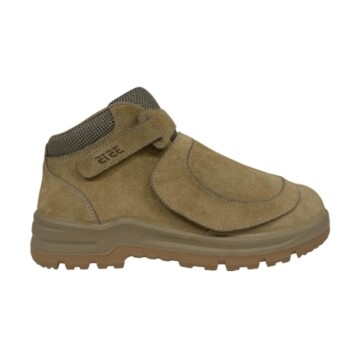
| Impact & Compression | Steel Toe Cap | Lighter composite toes, ergonomic designs, metatarsal guards for full-foot protection. |
| Puncture | Reinforced Sole | Flexible, non-metallic anti-perforation plates covering the entire sole. |
| Chemical Burns | Basic Material Resistance | Specialized polymers and waterproof membranes resistant to specific chemicals. |
Building on a Foundation of Steel
Understanding this history clarifies the essential purpose of safety footwear: to create an intelligent barrier between a person and the inherent risks of their work. The core principles born in the industrial era—protection against impact, puncture, and environmental hazards—remain the foundation of every safety shoe and boot made today.
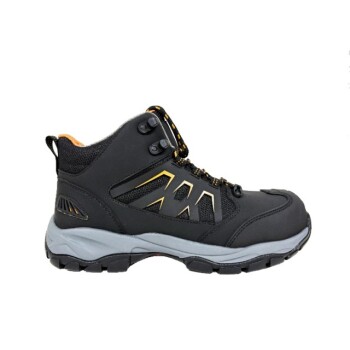
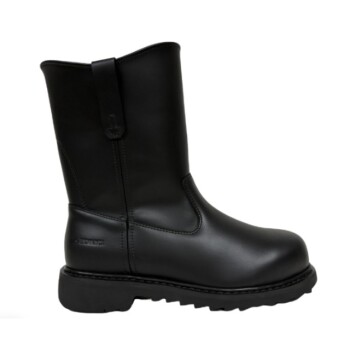
As a large-scale footwear manufacturer, we at 3515 honor this legacy. Our extensive range of safety footwear is engineered to meet and exceed modern standards, addressing the fundamental hazards of any industrial environment while incorporating advanced materials for comfort, durability, and specialized protection. We produce the comprehensive solutions that the pioneers of workplace safety could only have imagined.
To equip your team with footwear built on a century of innovation and designed for the demands of today, Contact Our Experts.
Visual Guide
Related Products
- Puncture-Resistant Velcro Safety Boots for Wholesale & Custom Manufacturing
- Wholesale Durable Safety Boots | Custom Steel Toe & Puncture-Resistant Manufacturing
- Premium Grain Leather Safety Boots for Bulk Supply
- Heavy-Duty Waterproof Nubuck Safety Boots Safety Shoes for Bulk Supply
- Premium High-Cut Waterproof Safety Boots Manufacturing & Wholesale Solutions
Related Articles
- The Unseen Engineering: Why Steel Toes Succeed or Fail in Oily Environments
- The Anatomy of Trust: A Systems Approach to Workplace Foot Protection
- The Lacing Paradox: Why the Safest Boots Contain Their Own Greatest Risk
- How Industrial Professionals Can Balance Safety Boot Requirements with Professional Appearance
- How to Choose Safety Boots That Reduce Fatigue Without Sacrificing Protection