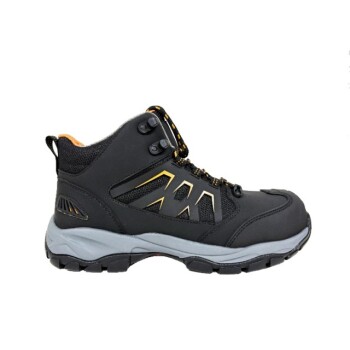
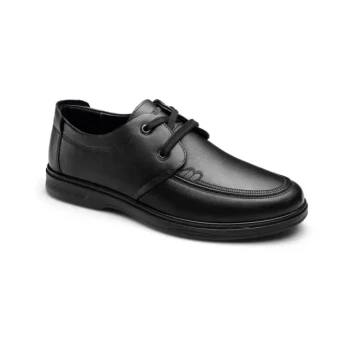
The width of the toe box area acts as the primary defense against foot pathology in elderly users. It is a critical technical parameter because the single most frequent complaint among this demographic is excessive narrowness at the front of the shoe. Manufacturing processes must ensure the toe box provides sufficient lateral space and volume to accommodate the natural widening of the foot, thereby minimizing friction and preventing common skin injuries like blisters and nail bruising.
By engineering a wider toe box, manufacturers directly address the physiological reality of aging feet, transforming the shoe from a rigid container into an accommodating interface that prevents compression-related injuries.
The Physiological Necessity of Width
Accommodating Natural Spread
As individuals age, the structural integrity of the foot changes. Arches often collapse, leading to a natural widening of the foot profile. Manufacturing specifications must reflect this biological shift rather than adhering to standard aesthetic norms that favor a tapered look.
Managing Specific Deformities
Elderly populations frequently suffer from deformities such as hallux valgus (bunions). A narrow toe box exacerbates these conditions by applying direct lateral pressure. Using wide shoe lasts, such as 2E or 4E specifications, provides the necessary geometric clearance to house these irregularities without pain.
Preventing Compression During Movement
The foot is not static; it expands and shifts during the gait cycle. Wide designs ensure the forefoot is not squeezed during sharp directional changes. This prevents the exacerbation of existing deformities that can occur when the foot is forced against a rigid upper.
The Mechanics of Injury Prevention
Reducing Friction
The interface between the shoe upper and the skin is a high-risk zone for the elderly. Insufficient width increases friction between the foot and the shoe material. By increasing the toe box width, manufacturers effectively reduce the contact pressure that leads to blisters and calluses.
Protecting Nail Integrity
Tight toe boxes force the toes to bunch together or press against the front of the shoe. This compression is a leading cause of nail bruising and trauma. Adequate volume allows the toes to splay naturally, maintaining blood flow and nail health.
Understanding the Trade-offs
Volume vs. Stability
While expanding the toe box is critical, it must be balanced against the need for mechanical stability. A shoe that is wide but lacks structural integrity can compromise gait balance.
The Role of Heel Design
Width should not be viewed in isolation; it functions alongside other parameters like heel height. While a wide toe box provides comfort, a low-to-medium heel is necessary to ensure the postural control required for safety.
Making the Right Choice for Your Goal
When evaluating footwear specifications for elderly users, prioritize the following parameters based on the specific need:
- If your primary focus is Comfort: Prioritize wide last specifications (2E or 4E) to accommodate collapsed arches and the natural spreading of the forefoot.
- If your primary focus is Skin Health: Ensure the toe box design creates a low-friction environment to eliminate the risk of blisters, calluses, and nail bruising.
Ultimately, the correct toe box width is not a luxury feature, but a fundamental medical requirement for safe and pain-free elderly mobility.
Summary Table:
| Technical Parameter | Benefit for Elderly Users | Impact on Foot Health |
|---|---|---|
| Wide Last (2E/4E) | Accommodates natural foot spread and bunions | Prevents lateral pressure and pain |
| Increased Volume | Allows natural toe splaying during gait | Reduces nail bruising and trauma |
| Low-Friction Design | Minimizes contact between skin and upper | Eliminates blisters and calluses |
| Balanced Stability | Maintains mechanical integrity of the shoe | Improves gait balance and safety |
Partner with 3515 for High-Performance Footwear Solutions
As a large-scale manufacturer serving global distributors and brand owners, 3515 specializes in engineering footwear that meets the rigorous demands of specific demographics. Our comprehensive production capabilities allow us to integrate critical technical parameters—like optimized toe box widths—across our entire range.
From our flagship Safety Shoes and Tactical Boots to specialized Outdoor and Dress Shoes, we provide the volume and precision required for bulk manufacturing. Whether you are looking to develop comfort-focused footwear for seniors or durable training sneakers, 3515 offers the expertise to bring your vision to life with superior quality and scale.
Ready to elevate your product line? Contact us today to discuss your manufacturing needs!
References
- Ana Cláudia Antunes, Alexandre Amorim dos Reis. Desconforto em calçados segundo a percepção do público idoso feminino. DOI: 10.5965/1982615x15372022218
This article is also based on technical information from 3515 Knowledge Base .
Related Products
- Durable Moc-Toe Wedge Work Boots | Wholesale Manufacturing for Brands
- Durable Steel Toe Safety Boots Wholesale & Custom Manufacturing
- Wholesale Customizable Safety Boots Durable & Protective Footwear Manufacturing
- Durable Leather High-Ankle Tactical Boots for Wholesale & Custom Manufacturing
- Durable High-Ankle Tactical Boots Wholesale Manufacturer for Custom & Bulk Orders
People Also Ask
- How can you achieve a Classic Workwear Vibe with moc toe boots? Build a Rugged, Authentic Style
- What types of outfits can moc toe boots be worn with? Versatile Style Guide
- How did moc toe boots originate? A Legacy of Workwear Durability and Style
- How can moc toe boots be styled for casual wear? Master Rugged & Modern Looks
- What distinguishes moc toe boots? The Ultimate Guide to Unmatched Comfort & Style