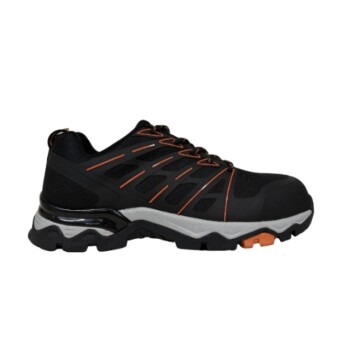
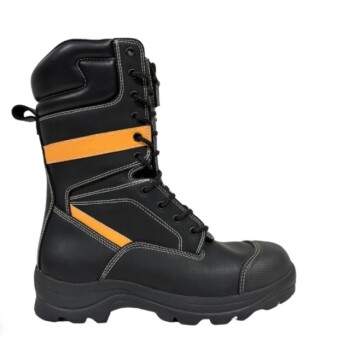
Complete Personal Protective Equipment (PPE) is strictly required for non-direct care activities because the environment itself acts as a vector for transmission. In high-risk wards or epidemic outbreaks, enclosed spaces accumulate residual aerosols and surface pathogens. Wearing full gear—including masks, protective footwear, and work clothes—ensures a continuous barrier against infections caused by the environment rather than just the patient.
Infection control relies on the understanding that risk is not limited to patient interaction; it is inherent to the space itself. Maintaining a continuous respiratory and skin barrier is the only way to guarantee the integrity of the medical service chain.
The Invisible Threat of the Environment
In high-risk medical environments, the definition of "exposure" extends far beyond touching a patient. You must view the ward itself as a contaminated entity.
Residual Aerosols in Enclosed Spaces
In enclosed wards, particularly during outbreaks, infectious agents often linger in the air. Residual environmental aerosols can remain suspended long after a patient interaction has finished.
Even if you are performing administrative tasks or cleaning, you are sharing the same air supply. Without complete respiratory protection, you are vulnerable to inhaling these suspended pathogens.
The Risk of Surface Contact
Transmission frequently occurs through contact with contaminated surfaces rather than patients. Pathogens can settle on counters, door handles, and equipment.
Full PPE, including work clothes and specialized footwear, acts as a shield. It prevents these pathogens from transferring to your skin or personal clothing during accidental contact with the surroundings.
The Principle of Continuous Protection
Partial protection creates vulnerabilities. The logic behind mandatory full PPE is to establish a seamless defense system.
Eliminating Protection Gaps
Standard clothing or partial PPE leaves areas of the body exposed. High-risk zones require continuous respiratory and skin protection barriers.
By wearing the full ensemble, you eliminate the guesswork of which areas are safe. This comprehensive coverage protects against unforeseen variables in a volatile environment.
Preventing Accidental Exposure
Human error is inevitable. In a busy ward, you may inadvertently brush against a wall or drop an object.
Complete PPE serves as a fail-safe. It ensures that these minor, accidental exposures do not result in an infection event.
Understanding the Systemic Implications
The decision to wear PPE affects more than just the individual user; it impacts the entire healthcare operation.
Preserving the Medical Service Chain
The primary goal of infection control is maintaining the integrity of the medical service chain. If staff members become infected during non-clinical tasks, the workforce diminishes.
Protecting every individual in the environment ensures that the hospital retains the capacity to treat patients during critical outbreaks.
Ensuring Total Compliance
Infection control is binary; you are either protected or you are not. Allowing exceptions for non-direct care creates ambiguity in compliance.
Strict adherence to full PPE protocols eliminates confusion. It fosters a culture of safety where overall infection control compliance is non-negotiable.
Making the Right Choice for Your Safety
When navigating high-risk environments, your approach to PPE must be disciplined and total.
- If your primary focus is Individual Safety: Treat the air and surfaces as if they are the patient; never downgrade your PPE based on the task type.
- If your primary focus is Team Management: Enforce full PPE protocols universally to prevent gaps in the medical service chain caused by preventable staff infections.
Your safety relies on the continuity of your barriers, not the proximity of a patient.
Summary Table:
| Key Risk Factor | Impact in High-Risk Zones | PPE Mitigation Requirement |
|---|---|---|
| Residual Aerosols | Pathogens linger in enclosed air supplies | Full Respiratory Protection (Masks/Respirators) |
| Surface Pathogens | Contamination on door handles, counters, and floors | Protective Work Clothes & Specialized Footwear |
| Human Error | Accidental contact with contaminated surfaces | Seamless Skin Barrier & Full Coverage Gear |
| Staffing Continuity | Infections lead to workforce depletion | Universal Compliance to maintain the service chain |
Secure Your Medical Supply Chain with 3515 Footwear Solutions
At 3515, we understand that in high-risk environments, your gear is your first line of defense. As a large-scale manufacturer serving distributors and brand owners worldwide, we provide comprehensive production capabilities for all footwear types to ensure the safety and integrity of your medical and service teams.
Our flagship Safety Shoes series is engineered for maximum protection, complemented by an extensive portfolio of tactical boots, outdoor shoes, and training sneakers. Whether you need specialized footwear for sterile environments or durable work boots for bulk distribution, 3515 delivers the quality and scale you require.
Protect your workforce and enhance your brand's reliability today. Contact us now to discuss your bulk requirements!
References
- Prestasianita Putri, Tutut Veramawati. Motivate Nurses with Compliance in Using Personal Protective Equipment (PPE) at The Jember Area Hospital. DOI: 10.33024/mahesa.v4i1.12877
This article is also based on technical information from 3515 Knowledge Base .
Related Products
- Heavy-Duty Waterproof Nubuck Safety Boots Safety Shoes for Bulk Supply
- Advanced KPU Athletic Safety Shoe with Steel Toe Cap Anti-Slip Rotary Lacing System
- Premium Safety Shoes with Rotating Buckle Safety Sneakers
- Premium KPU Athletic Safety Shoes for Wholesale
- Premium KPU Injection Athletic Style Safety Shoes
People Also Ask
- What primary protective functions do professional safety boots provide in urban solid waste recovery and waste picking processes? Discover Dual-Layer Protection.
- How do safety boots reduce cutting hazards? Essential Protection for Your Workforce
- Which organizations develop safety standards for work boots? Ensure Compliance & Worker Safety
- What are the common types of safety boots and their primary uses? A Guide to Industrial Footwear
- Why is ankle and arch support important in safety footwear? Prevent Injury & Fatigue