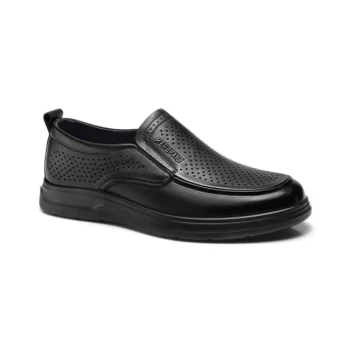
High-breathability materials are mandatory in flexible electronic footwear to serve two critical functions: preserving the biological health of the wearer and ensuring the integrity of the electronic system. Without these materials, sweat accumulation degrades the user's skin condition and causes electrical failures that compromise sensor data.
The integration of breathable materials is not merely a comfort preference; it is a structural necessity. It simultaneously solves the biological problem of skin inflammation and the technical problem of signal interference caused by moisture.
Protecting the Biological Interface
Preventing Skin Irritation
Extended wear of electronic footwear inevitably leads to perspiration. If this moisture is trapped against the skin, it creates a hostile environment leading to irritation and inflammation.
Ensuring Long-Term Comfort
To maintain physical comfort over long periods, the device must allow sweat to evaporate. High-breathability materials facilitate this exchange, preventing the discomfort associated with damp, non-porous interfaces.
Ensuring Electronic Reliability
Preventing Electrical Short Circuits
Sweat is a conductive fluid. If moisture accumulates within the footwear components due to poor breathability, it can bridge electrical pathways, resulting in short circuits.
Safeguarding Signal Accuracy
Advanced sensors, such as those used for electrocardiograms (ECG) or electromyograms (EMG), rely on precise electrical measurements. Moisture buildup interferes with these signals, drastically reducing collection accuracy and rendering the data unreliable.
Common Pitfalls in Material Selection
Underestimating Moisture Accumulation
A common design mistake is treating sweat management as a secondary feature. Failing to prioritize breathability leads to rapid moisture buildup that can render a device unusable within hours of wear.
Compromising Data for Durability
While protective casings are necessary, using materials that completely seal off the foot will destroy data integrity. The risk of signal distortion due to sweat interference outweighs the benefits of a fully sealed, non-breathable enclosure.
Making the Right Choice for Your Goal
To select the appropriate materials for your electronic footwear project, consider your primary objectives:
- If your primary focus is User Safety and Compliance: Prioritize breathability to eliminate the risk of skin inflammation and irritation during extended use.
- If your primary focus is Data Precision (ECG/EMG): Prioritize breathability to prevent moisture-induced short circuits that distort critical bio-signal readings.
By treating breathability as a core engineering requirement rather than a luxury, you ensure both the safety of the user and the reliability of your data.
Summary Table:
| Feature | Impact of High Breathability | Consequences of Low Breathability |
|---|---|---|
| Skin Health | Prevents irritation and inflammation | Risk of dermatitis and discomfort |
| Signal Quality | Maintains clear ECG/EMG readings | Signal distortion and interference |
| Electronics | Prevents short circuits | Moisture-induced electrical failure |
| User Wear | Long-term comfort and compliance | Rapid moisture buildup and abandonment |
Partner with 3515 for Advanced footwear Engineering
As a large-scale manufacturer serving global distributors and brand owners, 3515 offers the technical expertise and production scale required for complex footwear projects. Whether you are developing smart electronic footwear or specialized tactical gear, our comprehensive production capabilities—anchored by our flagship Safety Shoes series—ensure your products meet the highest standards of performance and breathability.
Our extensive portfolio includes:
- Work & Tactical Boots for extreme environments.
- Outdoor, Training, and Sneakers optimized for moisture management.
- Dress & Formal Shoes for professional bulk requirements.
Don't let moisture compromise your product's integrity. Contact us today to discuss how we can bring our manufacturing excellence to your brand!
References
- Peter Dabnichki, Toh Yen Pang. Wearable Sensors and Motion Analysis for Neurological Patient Support. DOI: 10.3390/bios14120628
This article is also based on technical information from 3515 Knowledge Base .
Related Products
- Lightweight Breathable Training Shoes for Wholesale & Custom OEM Manufacturing
- Customizable Slip-On Safety Shoes Direct from the Factory for Wholesale
- Wholesale Breathable Athletic Sneakers - Custom Lightweight Cushioned Footwear Manufacturer
- Wholesale Training Shoes with Dial Lacing System Custom OEM Manufacturing
- Wholesale Smart Casual Sneakers with Dial Closure | Factory Direct Manufacturing
People Also Ask
- Why are lightweight training shoes often preferred over professional hiking boots in urban walking? Maximize City Comfort
- What is the primary role of specialized training or orthopedic shoes? Enhance Safety in Elderly Balance Training
- Why are professional-grade training shoes essential for physical therapy? Ensure Patient Safety and Gait Stability
- Why are the slip-resistance and stability performance of training shoes critical in gait analysis? Ensure Data Accuracy
- Why is the use of flat-soled or professional training shoes essential for WBV? Maximize Vibration Energy Transfer