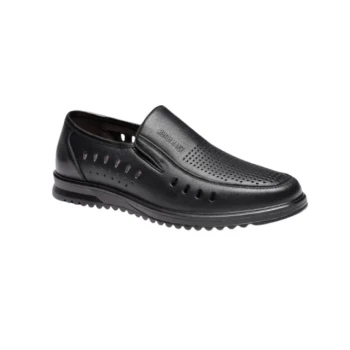
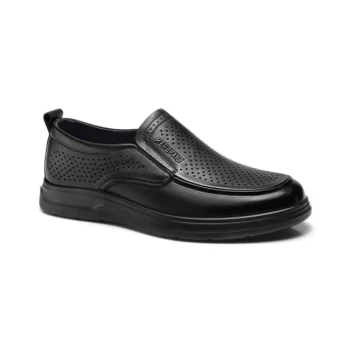
Virtual Try-on technology serves as a digital bridge that connects the convenience of online shopping with the assurance of physical retail. It functions as an interactive tool that provides potential buyers with comprehensive visual feedback, allowing them to see how footwear looks on a real person or foot before making a purchase.
Core Takeaway: The primary barrier to selling footwear online is the customer's inability to touch or try on the product. Virtual Try-on technology mitigates this "functional risk" by simulating a realistic trial, directly addressing buyer anxiety regarding product quality and fit.
Overcoming the Limitations of Digital Commerce
The Challenge of Intangibility
One of the most significant hurdles in online retail is the consumer's inability to physically touch the product. Without tactile interaction, buyers often feel a disconnect from the item they are browsing.
Virtual Try-on technology compensates for this absence by creating a digital proxy for the physical experience. It provides the visual confirmation necessary to bridge the gap between a static image and reality.
Reducing Functional Risk
When customers cannot handle a product, they perceive a higher functional risk—the fear that the product will not perform or fit as expected.
By offering immediate, interactive visual feedback, Virtual Try-on technology effectively lowers this perceived risk. It transforms a speculative purchase into an informed decision.
Addressing Core Consumer Concerns
Visualizing the Fit
The fear of improper fit is a primary deterrent for online footwear shoppers. Static size charts often fail to convey how a shoe truly sits on a foot.
Virtual Try-on technology addresses this by simulating the footwear on a real foot. This allows the buyer to assess the shape, silhouette, and proportion of the shoe relative to their own anatomy.
Assessing Product Quality
Beyond fit, customers worry about the general aesthetic and product quality that might get lost in studio photography.
This technology allows users to inspect the product in a more dynamic context. It provides a "comprehensive visual feedback" loop that reassures the buyer about the style and finish of the footwear.
Understanding the Limitations
Visual Simulation vs. Physical Feel
While Virtual Try-on is excellent for assessing aesthetics and general fit, it cannot replicate physical comfort.
The technology addresses visual concerns but cannot convey material stiffness, arch support, or weight. It compensates for the lack of touch but does not replace the sensory aspects of wearing a shoe.
Reliance on Visual Accuracy
The effectiveness of this tool depends entirely on the fidelity of the simulation.
If the digital representation does not perfectly match the physical product, it can lead to a gap between expectation and reality, potentially re-introducing the functional risk it aims to solve.
Making the Right Choice for Your Goal
To effectively utilize Virtual Try-on technology, consider your specific objectives:
- If your primary focus is reducing return rates: Prioritize the accuracy of the visual fit simulation to minimize discrepancies between the digital preview and the physical item.
- If your primary focus is increasing conversion: Use the technology to highlight aesthetic details and product quality, giving users the confidence to overcome their initial hesitation.
By directly addressing the functional risks of online shopping, Virtual Try-on technology transforms the footwear buying process from a gamble into a confident transaction.
Summary Table:
| Key Role | Impact on Consumer Behavior | Benefit to Retailers |
|---|---|---|
| Bridge Intangibility | Reduces the disconnect caused by the inability to touch. | Higher consumer engagement levels. |
| Risk Mitigation | Lowers "functional risk" by simulating a realistic trial. | Increased conversion rates and trust. |
| Visual Feedback | Reassures buyers on product quality and aesthetic. | Reduced uncertainty and higher satisfaction. |
| Fit Simulation | Addresses the #1 deterrent: fear of improper fit. | Significantly lower product return rates. |
Revolutionize Your Footwear Brand with 3515
As a large-scale manufacturer serving global distributors and brand owners, 3515 understands that digital excellence must be backed by superior physical quality. We offer comprehensive production capabilities for all footwear types, anchored by our flagship Safety Shoes series. Our extensive portfolio covers work and tactical boots, outdoor shoes, training shoes, and sneakers, as well as Dress & Formal shoes to meet your diverse bulk requirements.
Ready to elevate your inventory with products designed for the modern digital marketplace? Contact 3515 today to discuss how our manufacturing expertise can support your brand's growth and customer satisfaction.
References
- Alla Starostina, Oksana Domina. ONLINE SHOPPING PERCEIVED RISKS DURING THE COVID-19 PANDEMIC: ON THE STUDENT’S CASE FOR THE APPAREL AND FOOTWEAR. DOI: 10.55643/fcaptp.3.44.2022.3771
This article is also based on technical information from 3515 Knowledge Base .
Related Products
- Lightweight Breathable Sneakers with Wet-Traction Grip for Wholesale & Private Label
- Lightweight Breathable Training Shoes for Wholesale & Custom OEM Manufacturing
- Wholesale Breathable Perforated Slip-On Loafers Custom Manufacturing
- Wholesale Breathable Athletic Sneakers - Custom Lightweight Cushioned Footwear Manufacturer
- Wholesale Lightweight Cushioned Athletic Sneakers for Custom Bulk Production
People Also Ask
- Why are breathable sneakers necessary for tropical commuting? Stay Cool and Dry in High Humidity
- What role do lightweight training shoes play in urban traffic? Boost Agility and Reaction for Safer City Navigation
- How do lightweight shoes provide support? The Science of Efficient Cushioning & Stability
- How do lightweight shoes improve breathability? Discover the Science of Cool, Dry Feet
- What are the style advantages of lightweight shoes? Sleek, Versatile & Modern Comfort