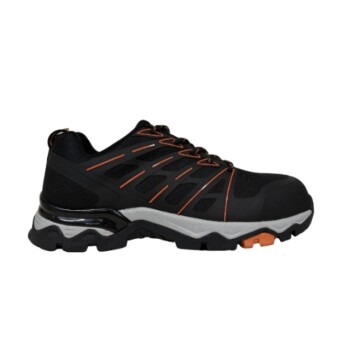
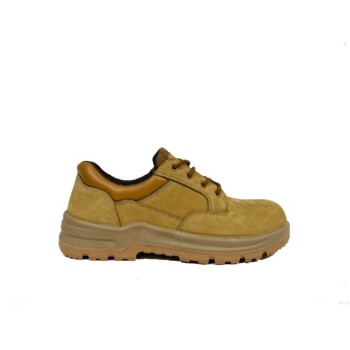
Comparing professional safety shoes against standard slippers establishes a critical baseline for understanding biomechanical support. This comparison isolates the specific impact of structural features—like arch support and heel enclosure—on the plantar fascia, demonstrating how mechanical stability prevents the overstretching and inflammation often seen in occupational environments.
Core Takeaway: The disparity between the unstructured sole of a slipper and the reinforced architecture of a safety shoe quantifies the "health-protective value" of footwear. This analysis proves that mechanical stability is not a luxury but a requirement for preventing chronic micro-tears and plantar fasciitis in the workforce.
The Biomechanical Baseline: Why Slippers Serve as the Control
The Impact of Zero Support
Standard slippers act as a "negative control" in biomechanical evaluations because they lack essential structural components.
Without arch support or heel enclosure, the foot is left to manage ground reaction forces entirely on its own.
The Mechanism of Injury
This lack of structure forces the plantar fascia to bear excessive tension.
Repeated stress in this unsupported state leads to overstretching, which induces or worsens acute inflammation.
The Protective Role of Professional Footwear
Mechanical Stability and Load Distribution
Unlike slippers, professional safety shoes utilize ergonomic midsole designs and reinforced arches to manipulate how the foot impacts the ground.
This structure significantly improves the distribution of foot biomechanics, shifting the burden away from the fascia.
Prevention of Micro-Trauma
By stabilizing the foot, safety shoes reduce the mechanical imbalances that lead to chronic micro-tears in the tissue.
This structural support is the primary defense against fascia fatigue caused by long periods of standing, directly lowering the risk of developing chronic plantar fasciitis.
Implications for Technical Design
Optimizing Material Configuration
The ultimate goal of this comparison is to guide technical designers.
By understanding the delta between a slipper (injury-prone) and a safety shoe (protective), designers can optimize material configurations for specific occupations.
Enhancing Health-Protective Value
This data transforms footwear from simple clothing into health equipment.
It allows manufacturers to engineer shoes that provide the specific level of mechanical stability required to counteract occupational strain.
Understanding the Trade-offs
The Cost of Unstructured Movement
While slippers may offer perceived comfort through softness or flexibility, this comparison highlights a critical trade-off: freedom vs. fatigue.
The lack of restriction in a slipper immediately translates to increased mechanical workload for the foot's soft tissues.
The Necessity of Enclosure
The comparison underscores that "breathability" or "ease of wear" cannot come at the expense of heel enclosure.
Without the containment provided by a safety shoe, the foot loses the alignment necessary to prevent long-term damage during repetitive tasks.
Making the Right Choice for Your Goal
Whether you are selecting gear for a workforce or designing the next generation of occupational footwear, the data supports specific actions.
- If your primary focus is Injury Prevention: Prioritize footwear with reinforced arch support and heel enclosure to minimize the risk of micro-tears and fascia inflammation.
- If your primary focus is Product Design: Use the biomechanical deficits of slippers as a benchmark to validate how your material configurations improve mechanical stability and load distribution.
Conclusion: You must view footwear not merely as a covering, but as a mechanical intervention that actively preserves the structural integrity of the foot against the rigors of the workplace.
Summary Table:
| Feature | Standard Slippers | Professional Safety Shoes | Biomechanical Impact |
|---|---|---|---|
| Arch Support | None / Minimal | Ergonomic Reinforced Midsole | Prevents fascia overstretching |
| Heel Enclosure | Open / Soft | Rigid Supportive Counter | Maintains alignment & stability |
| Load Distribution | Poor (Concentrated) | Even (Distributed) | Reduces pressure on soft tissue |
| Injury Risk | High (Micro-tears) | Low (Protective) | Prevents chronic fasciitis |
Secure Your Workforce with 3515 High-Performance Footwear
As a leading large-scale manufacturer serving global distributors and brand owners, 3515 specializes in engineering footwear that prioritizes biomechanical health and mechanical stability. Our flagship Safety Shoes series is specifically designed to counteract occupational strain and prevent plantar fascia injuries through advanced material configuration and ergonomic design.
From tactical boots and training sneakers to formal dress shoes, we provide high-volume production capabilities to meet your specific industry standards. Partner with us to deliver superior foot protection to your customers.
Contact 3515 Today to Discuss Your Bulk Requirements
References
- Suhas Aradhya BM, Mainak Roy. Ultrasonographic Assessment of Indian Patients With Plantar Fasciitis and Its Clinical Correlation: A Prospective Observational Study. DOI: 10.7759/cureus.35764
This article is also based on technical information from 3515 Knowledge Base .
Related Products
- Premium Suede Sport Safety Shoes for Wholesale & Bulk Orders
- Premium Lightweight Safety Shoes for Wholesale & Bulk Orders
- Wholesale Anti-Smash & Puncture-Proof Safety Shoes Custom Manufacturing for Brands
- Premium KPU Injection Athletic Style Safety Shoes
- Premium Safety Shoes with Rotating Buckle Safety Sneakers
People Also Ask
- What are the primary functions of professional safety shoes? Maximize Safety in Water Supply Confined Spaces
- What industries have specific OSHA footwear requirements? Ensure Compliance & Protect Your Workforce
- What role do specialized safety shoes play in preventing falls? Engineering Stability in Industrial Environments
- How do gait analysis algorithms ensure accuracy in footwear? Master Step Length Precision for Boots & Sneakers
- What happens during the cutting stage of safety shoes manufacturing? Precision, Process & Quality