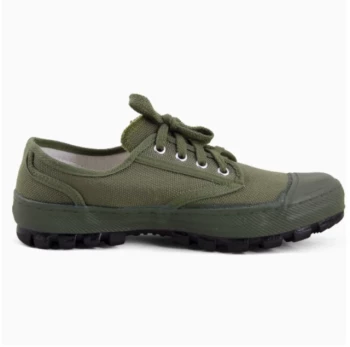
Friction coefficient testing on wet surfaces is the only way to scientifically validate footwear stability under the specific conditions where accidents are most likely to occur. By simulating hazardous environments—such as tiles treated with detergent—this testing provides a quantifiable metric of safety, verifying whether an outsole material and tread design achieve the critical friction coefficient benchmark of 0.28 to 0.30 or higher.
Core Takeaway Testing on wet surfaces transforms "grip" from a subjective marketing claim into an engineered safety feature. It rigorously evaluates how well an outsole sheds fluid and maintains friction to prevent slips and falls in compromised environments.
Simulating Real-World Hazards
To ensure footwear protects the wearer, manufacturers must evaluate performance in "worst-case" scenarios rather than ideal conditions.
Replicating Dangerous Environments
Testing on dry surfaces rarely reveals the limitations of a shoe's grip.
True safety evaluation requires testing on surfaces like tiles treated with detergent. This mimics the slick, low-friction conditions encountered in daily life, such as wet floors or spills, where the risk of injury is highest.
The Quantifiable Safety Standard
Safety cannot be left to guesswork.
Manufacturers rely on achieving a specific friction coefficient—typically 0.28 to 0.30 or higher—to deem a product safe. This numerical threshold serves as the objective "pass/fail" line for determining if a shoe offers adequate stability.
The Engineering Behind the Grip
Friction coefficient testing is not just about the rubber compound; it validates the entire engineering design of the footwear's bottom unit.
Validating Tread Architecture
Deep tread patterns are designed to channel water, oil, and debris away from the contact point.
Testing on wet surfaces confirms whether these channels effectively evacuate fluid to improve ground contact. If the coefficient is low, it indicates the tread design is failing to prevent hydroplaning, regardless of the material quality.
Analyzing Dynamic Forces
A proper assessment requires more than pressing a shoe against a floor.
Using a friction coefficient test rig, engineers monitor both horizontal and vertical forces while the sole slides at a constant speed. This generates accurate dynamic friction data, simulating the actual biomechanics of a person slipping and trying to regain balance.
Material Performance Under Load
Different rubber compounds react differently when wet.
The test applies specific normal loads to the outsole to see how the material deforms and grips. This ensures that durable rubber compounds maintain their frictional properties even when a lubricating layer (like water or detergent) attempts to separate the shoe from the floor.
Understanding the Trade-offs
While friction testing is essential, relying on it blindly without understanding environmental context can lead to incomplete safety assessments.
The Floor Surface Variable
A high-friction shoe may still slip on a floor with poor micro-geometric features.
Surface roughness testers (measuring parameters like Ra) allow for the analysis of floor coatings. The "grip" is actually a result of the physical interlocking forces between the shoe and the floor’s peaks and valleys. If the floor is too smooth, even a high-coefficient shoe may struggle.
Laboratory vs. Reality
Standardized testing uses controlled contaminants (like detergent) and specific speeds.
Real-world environments often contain mixed contaminants (oil, water, and grit) or uneven terrain. While the 0.28 coefficient is a strong baseline, it predicts performance based on specific standards, not every unpredictable variable in a chaotic workplace.
Making the Right Choice for Your Goal
Whether you are designing footwear or selecting safety gear for a workforce, understanding these metrics is vital.
- If your primary focus is Product Development: Target a friction coefficient above 0.30 on detergent-treated tiles to ensure your tread design effectively channels fluids.
- If your primary focus is Workplace Safety: Match the footwear's slip resistance rating with an analysis of your floor's surface roughness (Ra) to maximize physical interlocking forces.
Ultimately, friction coefficient testing bridges the gap between material science and human safety, turning accident prevention into a measurable science.
Summary Table:
| Key Metric/Feature | Technical Specification | Safety Impact |
|---|---|---|
| Target Friction CoF | 0.28 to 0.30+ | Objective threshold for 'Pass/Fail' safety rating |
| Test Contaminant | Detergent-treated Tiles | Mimics high-risk, low-friction real-world spills |
| Tread Function | Fluid Evacuation | Prevents hydroplaning by channeling water away |
| Floor Variables | Surface Roughness (Ra) | Enhances interlocking forces between sole and ground |
| Dynamic Force | Horizontal vs. Vertical | Simulates biomechanics of slipping and recovery |
Partner with 3515 for Certified Slip-Resistant Footwear
As a large-scale manufacturer serving distributors and brand owners, 3515 offers comprehensive production capabilities for all footwear types. Our flagship Safety Shoes series is engineered to exceed the rigorous friction coefficient benchmarks required for hazardous environments.
Our extensive portfolio covers:
- Professional Grade: Work and tactical boots with advanced tread architecture.
- Performance & Lifestyle: Outdoor shoes, training shoes, and sneakers.
- Refined Style: Dress & Formal shoes designed for professional safety.
Contact us today to leverage our manufacturing expertise and ensure your bulk orders meet the highest global safety standards.
References
- Noelia Rodríguez López, María Jesús Martínez Beltrán. Biomechanical analysis of barefoot walking and three different sports footwear in children aged between 4 and 6 years old. DOI: 10.1371/journal.pone.0291056
This article is also based on technical information from 3515 Knowledge Base .
Related Products
- Durable Rubber Sole Outdoor Shoes Wholesale & Custom Manufacturing
- Wholesale Waterproof Tactical Boots Custom Suede & High-Traction Soles
- Wholesale Breathable Training Shoes Custom Athletic Footwear Manufacturer
- Heavy-Duty Waterproof Nubuck Safety Boots Safety Shoes for Bulk Supply
- Durable Leather Work Boots for Wholesale & Custom Manufacturing
People Also Ask
- What is the function of the sole in outdoor shoes? Find the Perfect Grip and Support
- What role do outdoor shoes and sneakers play in navigating external terrains? Engineered Stability for Every Surface
- How is AI utilized in the design of outdoor and safety footwear? Harnessing Big Data for Market-Driven Shoe Innovation
- Why is durability important when selecting outdoor shoes? A Guide to Safety & Long-Term Value
- What are the key components of outdoor shoes that affect comfort and sturdiness? A Guide to Durable, High-Performance Footwear