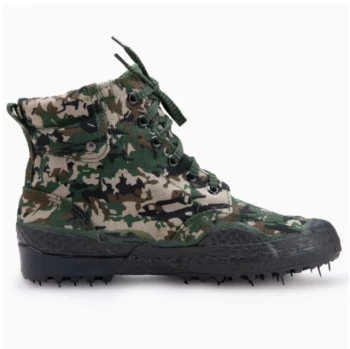
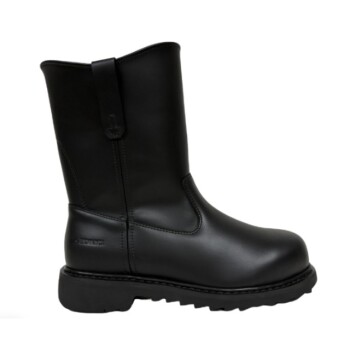
At its core, durability in snowmobile boots is a critical safety and performance feature, not just a measure of longevity. These boots are engineered to withstand the unique and repetitive shocks, abrasions, and harsh conditions of snowmobiling, ensuring they protect you from fatigue and injury while maintaining their structural integrity ride after ride.
The true importance of durability isn't about making a boot last longer—it's about ensuring the boot performs its primary safety functions correctly every single time you ride, protecting you from both the environment and the machine itself.
The Unique Demands of Snowmobiling
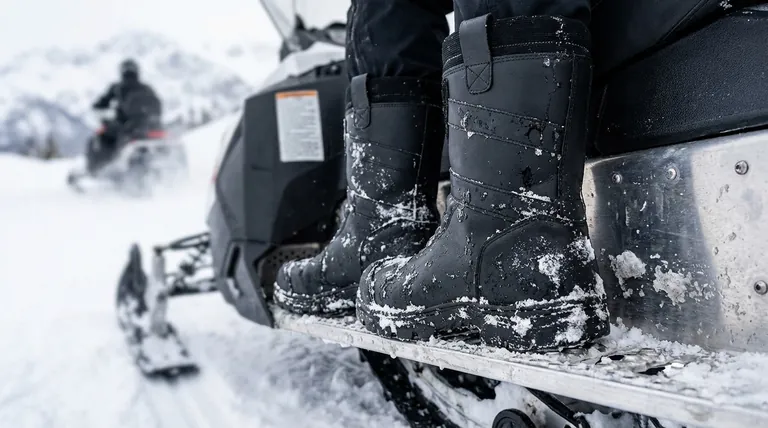
To understand why durability is paramount, you must first appreciate the uniquely punishing environment that snowmobile boots endure. They are subjected to forces far beyond what typical winter boots ever face.
Constant Impact and Vibration
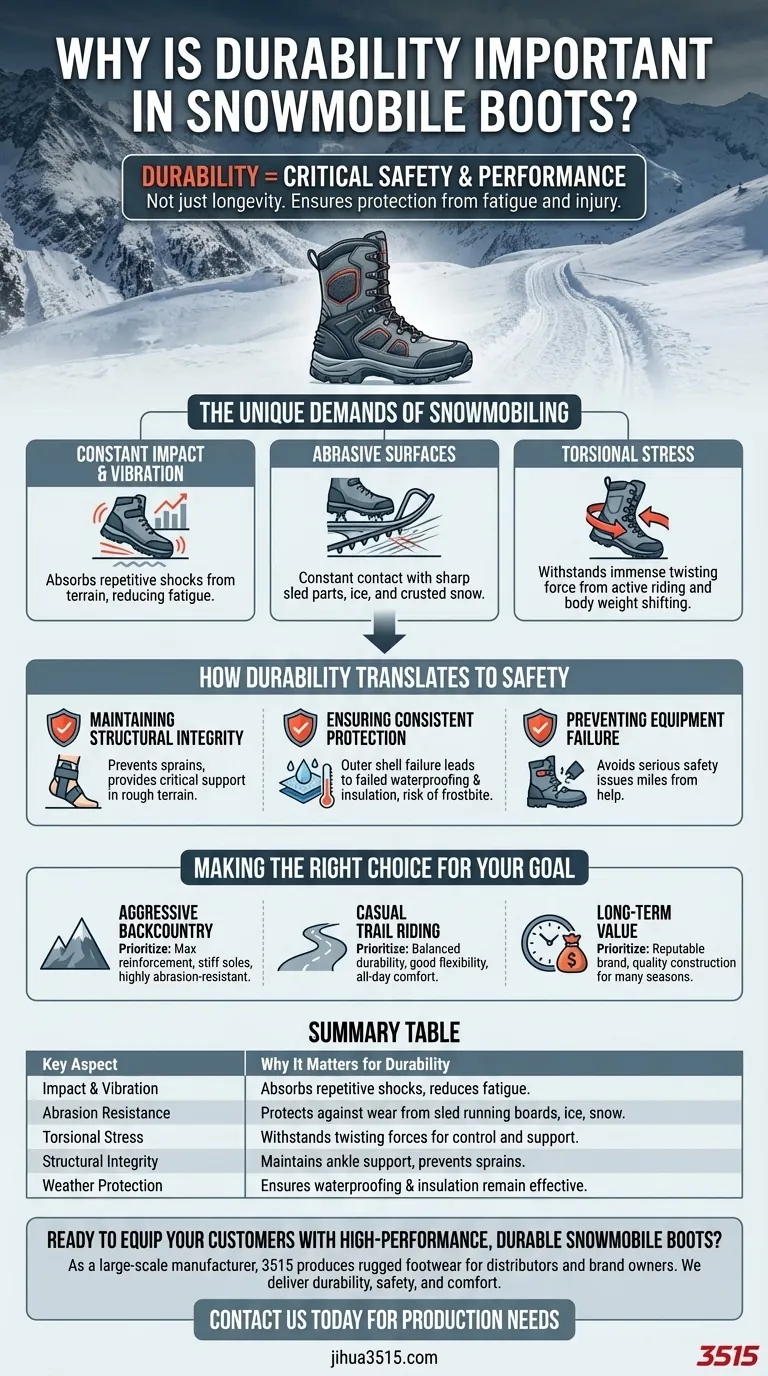
Every bump, jump, and jolt from the terrain is transferred from the snowmobile through your feet and ankles. A durable boot with a sturdy construction absorbs these repetitive shocks, reducing rider fatigue and preventing strain.
Abrasive Surfaces
Your boots are in constant contact with abrasive surfaces. This includes the sharp, metal-toothed running boards of the sled, rough ice, and crusted snow, all of which can quickly tear apart boots made with inferior materials.
Torsional Stress
Active riding involves constant shifting of body weight, leaning into turns, and leveraging your feet for control. This places immense twisting force, or torsional stress, on the boot's materials and seams.
How Durability Translates to Safety
A boot's ability to withstand these forces is directly linked to your safety and comfort on the trail. When a boot's durability fails, its protective features fail as well.
Maintaining Structural Integrity
A durable boot maintains its shape and stiffness, which is essential for providing critical ankle support. This structural integrity helps prevent sprains and twists when navigating rough or unpredictable terrain.
Ensuring Consistent Protection
The outer shell of a snowmobile boot is the first line of defense against moisture and impacts. If this layer is compromised by tears or seam splits, its waterproofing and insulation fail, exposing you to discomfort and the risk of frostbite.
Preventing Equipment Failure
A failure in a boot's core components—like a broken sole, a torn lace eyelet, or a split seam—can quickly turn from an inconvenience into a serious safety issue, especially if you are miles from your starting point.
Understanding the Trade-offs
While durability is a non-negotiable feature, it's important to understand how it relates to other factors like cost and comfort.
The Investment in Quality
High-quality, durable boots almost always have a higher upfront cost. This is an investment in superior materials and craftsmanship that results in a longer lifespan, better performance, and enhanced safety, often making them more economical over time.
Stiffness vs. Flexibility
The most reinforced and durable boots are often stiffer. Aggressive riders may need this stiffness for maximum support, while a casual trail rider might prefer a boot that balances robust construction with a bit more flexibility for comfort.
The Myth of "Indestructible"
Even the most durable boots require care. Proper drying after each ride and periodic cleaning will significantly extend the life of your investment and ensure the materials perform as intended.
Making the Right Choice for Your Goal
Select your boot based on a realistic assessment of your riding style and priorities.
- If your primary focus is aggressive backcountry or mountain riding: Prioritize boots with maximum reinforcement, stiff soles, and highly abrasion-resistant outer materials for ultimate protection and support.
- If your primary focus is casual trail riding: Look for a balanced boot that offers proven durability from a reputable brand but also provides good flexibility and all-day comfort.
- If your primary focus is long-term value: Invest in a boot from a well-known brand recognized for quality construction, as this is the best way to ensure it will last for many seasons.
Ultimately, viewing your snowmobile boots as a crucial piece of safety equipment, not just footwear, is the key to making the right choice.
Summary Table:
| Key Aspect | Why It Matters for Durability |
|---|---|
| Impact & Vibration | Absorbs repetitive shocks from terrain, reducing rider fatigue. |
| Abrasion Resistance | Protects against wear from sled running boards, ice, and snow. |
| Torsional Stress | Withstands twisting forces from active riding for control and support. |
| Structural Integrity | Maintains ankle support and shape to prevent sprains and injuries. |
| Weather Protection | Ensures waterproofing and insulation remain effective over time. |
Ready to equip your customers with high-performance, durable snowmobile boots?
As a large-scale manufacturer, 3515 produces a comprehensive range of rugged footwear built to withstand the toughest conditions. We deliver the durability, safety, and comfort that distributors, brand owners, and bulk clients demand.
Contact us today to discuss your production needs and explore our full catalog of reliable snowmobile boots.
Visual Guide
Related Products
- Durable Spiked Camouflage Boots Wholesale & Factory Production
- Wholesale High-Traction Camo Boots - Custom Manufacturer for Brands
- High Performance Fire-Retardant Waterproof Safety Boots
- Wholesale Lightweight Tactical Boots Custom Manufacturer for Desert & Combat Use
- Durable Goodyear Welt Leather Work Boots for Wholesale & Private Label
People Also Ask
- How does boot height affect waterproofing? Choose the Right Height for Ultimate Protection
- What are the best types of shoes for different gardening conditions? Find Your Perfect Match.
- What role does camouflage play in hunting boots? It's More Than Just a Pattern
- What should you look for to ensure boots are fully waterproof? The Essential 2-Part System
- How does boot construction affect waterproofing? The Science Behind Truly Dry Feet