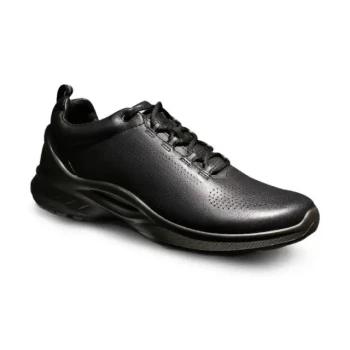
Prioritizing comfort in shoes is essential because it directly prevents both immediate pain and long-term physical injury. Uncomfortable or ill-fitting footwear causes significant strain when worn for extended periods, leading to serious foot issues and discouraging consistent use. True comfort is a blend of proper fit, supportive structure, and appropriate materials.
Shoe comfort is not a matter of preference but a fundamental requirement for your health and daily performance. Choosing uncomfortable footwear creates a cascade of negative effects, from immediate distraction and pain to chronic injury over time.
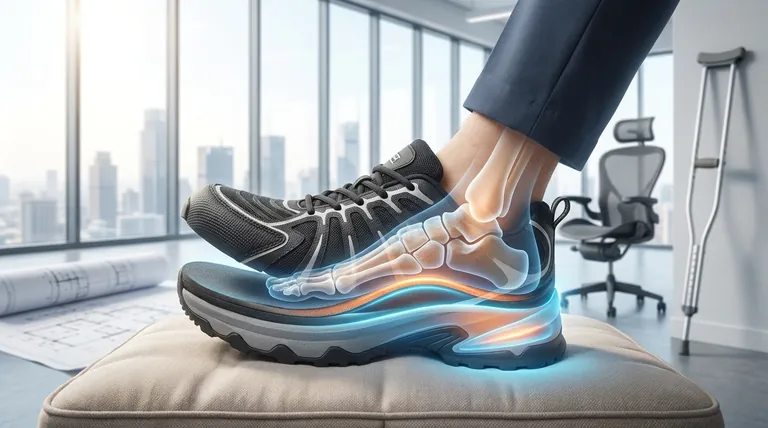
The Foundation: Why Comfort Prevents Injury
The primary role of a comfortable shoe is to work with your foot, not against it. This synergy is critical for avoiding both short-term and long-term physical problems.
Reducing Immediate Strain and Pain
Ill-fitting shoes that are too tight or narrow cause immediate discomfort. This can lead to blisters, pressure points, and pain that makes walking or even standing a difficult task.
This immediate discomfort is a clear signal from your body that the shoe is causing undue strain on your feet, joints, and muscles.
Preventing Chronic Foot Conditions
Consistently wearing uncomfortable shoes can lead to more severe, long-term health issues. The lack of proper support and fit contributes to conditions that may require medical intervention.
Over time, this can cause serious foot injuries that impact your mobility and overall quality of life.
Key Components of a Truly Comfortable Shoe
Comfort is not a single feature but the result of several design elements working in harmony. Understanding these components allows you to assess a shoe's quality beyond its appearance.
The Critical Role of Proper Fit
A shoe must provide adequate space for your foot. This includes sufficient width and length to allow your feet to breathe and move naturally without being constricted.
For the most accurate fit, it is best to try on shoes in the afternoon, as feet tend to swell and are at their largest size during this time.
Structural Support and Stability
Support is a non-negotiable aspect of comfort, especially for all-day wear. A supportive shoe should have torsional rigidity, meaning it resists twisting.
It should also feature a stiff heel counter to lock your heel in place and a wide midsole platform to create a stable base for standing and walking.
Cushioning and Impact Absorption
Good padding or cushioning inside a shoe is vital for absorbing the shock generated from walking and running. This reduces the impact on your joints with every step.
Features like orthopedic soles and insoles are specifically designed to enhance this cushioning and provide targeted support where it's needed most.
Material and Design Choices
The materials used in a shoe significantly affect its comfort. Breathable linings are crucial for keeping feet dry by allowing air to circulate and sweat to escape.
Furthermore, a lightweight and flexible design reduces the effort required to walk, ensuring you can cover long distances without feeling weighed down by heavy footwear.
Common Pitfalls to Avoid
Choosing the right shoe involves navigating common misconceptions and trade-offs. Being aware of these pitfalls ensures you make a decision based on function, not just form.
The "Break-In" Myth
While a quality shoe may soften slightly with wear, it should feel fundamentally comfortable from the first try. Do not purchase a shoe that is painful or overly tight with the expectation that it will "break in" to fit properly.
Major fit issues will not resolve themselves and will only lead to discomfort and potential injury.
Prioritizing Style Over Substance
It is easy to be drawn to a shoe's aesthetic, but this should never come at the expense of comfort and support. The most stylish shoe is useless if it causes pain that prevents you from wearing it.
Always assess the structural and material qualities of a shoe before making a final decision based on its appearance.
Making the Right Choice for Your Goal
Your specific needs should guide your selection. By matching the shoe's features to your primary activity, you ensure optimal comfort and performance.
- If your primary focus is all-day work or prolonged standing: Prioritize structural support, looking for high torsional rigidity and a firm, structured heel.
- If your primary focus is long-distance walking or running: Emphasize superior cushioning for impact absorption and a lightweight, breathable design to minimize fatigue.
- If your primary focus is preventing foot pain or injury: Look for shoes with excellent arch support, orthopedic insoles, and a wide, accommodating fit.
Choosing a comfortable shoe is an investment in your long-term health and well-being.
Summary Table:
| Key Component | Why It Matters |
|---|---|
| Proper Fit | Prevents blisters, pressure points, and immediate pain. |
| Structural Support | Ensures stability, reduces joint strain, and prevents chronic injury. |
| Cushioning | Absorbs impact from walking/running, protecting your joints. |
| Breathable Materials | Keeps feet dry and comfortable during extended wear. |
Ready to invest in footwear that combines comfort, durability, and performance?
As a large-scale manufacturer, 3515 produces a comprehensive range of high-quality footwear designed for distributors, brand owners, and bulk clients. Our production capabilities encompass all types of comfortable shoes and boots, built with the precise support and materials your customers need.
Contact 3515 today to discuss your footwear requirements and discover how we can help you deliver superior comfort and value.
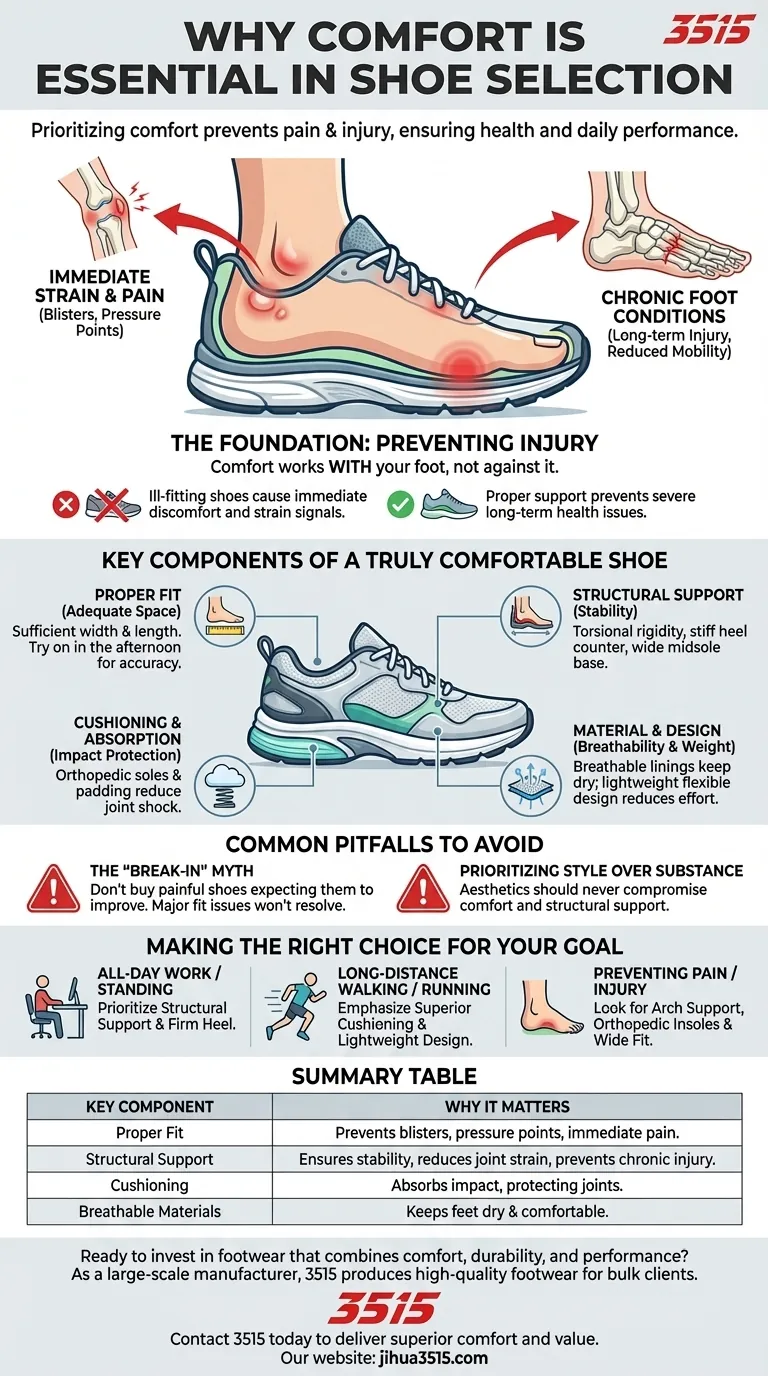
Visual Guide
Related Products
- Wholesale Modern Comfort Shoes with Dial Closure for Private Label & Bulk Orders
- Wholesale Comfort Dress Shoes with Dial Closure for Custom Manufacturing
- Wholesale Breathable Perforated Leather Derby Shoes with Modern Comfort Sole
- Wholesale Perforated Comfort Dress Shoes | Custom Derby Shoe Manufacturer
- Wholesale Comfortable Business Casual Shoes Custom Manufacturing
People Also Ask
- Why is maximum comfort important in shoes? Prevent Pain & Long-Term Injury
- What factors should be considered when buying shoes for comfort? Get the Perfect Fit for All-Day Wear
- What kind of shoes do businessmen wear? Master the Dress Code for Professional Success
- What are the essential business shoes every man should own? Build a Professional Wardrobe Foundation
- What role do multi-layer medical shoe covers play in pollution control within high-risk medical wards? Essential for Safety & Containment