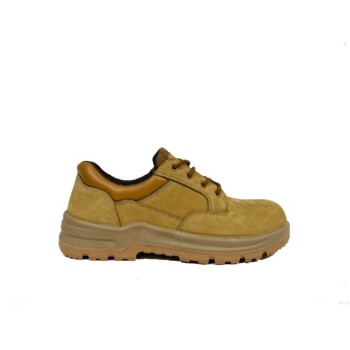
OSHA-compliant safety shoe materials are the cornerstone of effective risk assessment because they provide scientifically verified structural integrity. By utilizing durable substances like aluminum, steel, fiber, or high-performance plastics, these shoes ensure resistance against heat, sharp objects, and unstable terrain, directly addressing the physical variables that risk assessors must control.
Core Takeaway The selection of specific materials is not just about manufacturing preference; it is a critical engineering control. Compliant materials provide a reliable barrier against crushing, puncturing, and slipping, thereby transforming unpredictable environmental hazards into manageable risks and protecting the operation from liability and downtime.
The Role of Material Integrity in Hazard Mitigation
Structural Strength Against Impact and Punctures
For a risk assessment to be valid, the protective controls must be predictable. OSHA standards mandate that safety shoes be constructed from durable materials such as aluminum, steel, fiber, or high-performance plastics.
These specific materials provide the necessary structural strength to resist major industrial hazards. They act as a shield against crushing by heavy objects and prevent injuries caused by being pierced by sharp items, which are common risks in construction and heavy industry.
Defending Against Environmental Extremes
Beyond impact resistance, the material composition is critical for resisting environmental stressors.
OSHA-compliant materials are engineered to resist heat, ensuring worker safety in high-temperature environments. This material durability ensures that the footwear maintains its protective qualities even under duress, preventing equipment failure during critical operations.
The Mechanics of Slip Resistance
Stability on Hazardous Surfaces
Slips, trips, and falls are a primary focus of any industrial risk assessment. OSHA-compliant footwear addresses this by requiring materials that offer excellent slip resistance.
This is achieved through high-traction outsoles designed to grip wet, oily, or uneven industrial surfaces. By stabilizing the worker's footing, these materials directly reduce the statistical probability of fall-related accidents.
Reducing the Frequency of Accidents
The use of standardized, slip-resistant materials is a proactive measure.
It minimizes the frequency of accidents caused by loss of traction. In a risk assessment model, replacing standard footwear with professional-grade, slip-resistant shoes significantly lowers the "likelihood of occurrence" score for slip-related injuries.
Beyond Physical Safety: Operational Implications
Preventing Project Delays
Risk assessment also encompasses operational continuity. The absence of appropriate Personal Protective Equipment (PPE) is a primary cause of occupational harm, which inevitably leads to work stoppages.
By equipping workers with footwear featuring reinforced protective toe caps and compliant materials, companies protect worker health. This directly prevents the project delays that typically follow serious workplace accidents.
Mitigating Legal Liabilities
Compliance with OSHA standards is a legal safeguard. Ensuring workers wear footwear that meets these legal requirements is essential for avoiding legal liabilities associated with industrial injuries.
Standardized foot protection serves as documented proof that the employer has taken the necessary steps to mitigate known hazards in the operational environment.
Understanding the Trade-offs
Specificity vs. Generality
While OSHA compliance ensures a baseline of safety, a common pitfall in risk assessment is assuming that any compliant shoe works for every hazard.
Materials involve trade-offs. For example, steel offers maximum impact protection but may be heavier, potentially causing fatigue. High-performance plastics or fibers may offer lighter weight but different heat resistance profiles.
Matching Material to Hazard
Risk assessors must not simply check a box for "safety shoes." They must evaluate whether the specific material properties (e.g., oil resistance vs. heat resistance) match the unique environment.
Failing to align the specific material attributes—such as the level of slip resistance required for a specific type of oil—can result in adequate protection on paper but failure in the field.
Making the Right Choice for Your Goal
To effectively incorporate safety shoe materials into your risk management strategy, align your choice with your primary objective:
- If your primary focus is Legal & Operational Stability: Prioritize footwear that strictly meets OSHA standards to minimize liability and prevent project delays caused by preventable accidents.
- If your primary focus is Physical Injury Prevention: Select materials based on the specific environmental hazard, ensuring high-traction soles for oily floors or steel/composite reinforcements for areas with falling debris.
Ultimately, the material composition of safety footwear is the physical line of defense that validates your risk assessment and keeps your workforce secure.
Summary Table:
| Hazard Category | Compliant Material Solution | Risk Assessment Benefit |
|---|---|---|
| Crush/Impact | Steel, Aluminum, Fiber Toe Caps | Predictable structural integrity; lower injury severity |
| Punctures | Reinforced Midsoles/Plastics | Reliable barrier against sharp objects; prevents downtime |
| Slips & Falls | High-Traction Rubber Outsoles | Increased stability on oily/wet surfaces; lower accident frequency |
| Extreme Heat | Heat-Resistant Synthetic Compounds | Maintains footwear durability under high-temp stress |
| Legal/Liability | Standardized PPE Materials | Documented proof of hazard mitigation; avoids fines |
Partner with 3515 for Certified Industrial Footwear Solutions
As a large-scale manufacturer serving distributors and brand owners, 3515 offers comprehensive production capabilities for all footwear types, anchored by our flagship Safety Shoes series. We understand that OSHA compliance is non-negotiable for your risk assessment strategies.
By partnering with us, you gain access to an extensive portfolio covering work and tactical boots, outdoor shoes, training shoes, sneakers, and Dress & Formal shoes to meet your diverse bulk requirements. Our materials are engineered for maximum durability, slip resistance, and structural integrity to safeguard your operations and reduce legal liability.
Ready to elevate your product line with high-performance, compliant footwear?
Contact Us Today to Discuss Your Bulk Requirements
References
- Happy Nihayatul Afroh, Fransisca Tiur Basaria. Reducing Environmental and Health Risks in Construction Projects Through Hazard Identification and Risk Assessment. DOI: 10.1051/e3sconf/202338801028
This article is also based on technical information from 3515 Knowledge Base .
Related Products
- Athletic Safety Shoes with Dial Closure & Steel Toe for Wholesale & Custom Manufacturing
- Premium Lightweight Safety Shoes for Wholesale & Bulk Orders
- Premium Suede Sport Safety Shoes for Wholesale & Bulk Orders
- Premium KPU Athletic Safety Shoes for Wholesale
- Advanced KPU Athletic Safety Shoe with Steel Toe Cap Anti-Slip Rotary Lacing System
People Also Ask
- What are the primary protective functions of safety shoes with steel toes in the automotive repair industry?
- In what ways do high-performance Athletic Shoes support stability and proprioception? Enhance Your Movement Precision
- Why are athletic shoes recommended for walking? The Key to Joint Protection and Injury Prevention
- What is the importance of grip in athletic footwear? Prevent Lower Limb Injuries with Optimal Slip Resistance
- How do specialized lightweight foam midsole materials contribute to the performance and safety of athletic shoes?