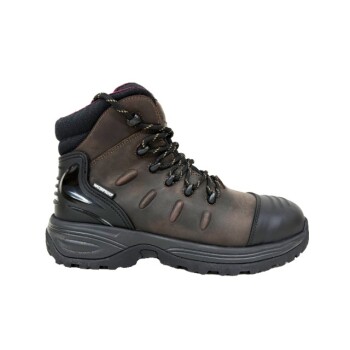
Industrial-grade safety shoes act as the primary physical barrier between a worker’s body and the immediate hazards of a construction site. They are considered a critical consumable because they provide fundamental protective functions—specifically anti-smash, anti-puncture, and anti-slip capabilities—that effectively manage risks in complex environments involving high-rise construction and hazardous ground conditions.
Core Takeaway Safety footwear is not merely a uniform requirement but a strategic risk management tool that safeguards foot health and ensures regulatory compliance. By mitigating the severity of accidents, these consumables directly lower disability rates and prevent the project delays and legal liabilities associated with workplace injuries.
The Pillars of Physical Protection
Mitigating Impact Risks
In high-rise construction and active manufacturing zones, the risk of falling objects is constant. Anti-smash reinforcement, typically located in the toe cap, serves as a shield against heavy impacts.
This feature dramatically reduces the severity of crushing injuries. By absorbing the energy of an impact, the shoe protects the structural integrity of the foot, preventing debilitating fractures and long-term disability.
Defending Against Ground Hazards
Construction sites are characterized by "complex ground environments" littered with sharp debris, nails, and scrap metal. Anti-puncture layers built into the sole prevent these objects from penetrating the foot.
This barrier is essential for maintaining mobility. A puncture wound not only causes immediate injury but introduces high risks of infection, potentially leading to significant sick leave.
Ensuring Stability on Uneven Surfaces
Slips and falls are a leading cause of industrial accidents. Anti-slip capabilities in safety shoes provide superior grip on wet, oily, or uneven terrain.
This traction allows workers to navigate the job site with confidence. By preventing the initial fall, the footwear acts as a preventive measure against a wide range of secondary injuries.
Operational and Health Implications
Reducing Injury Severity and Downtime
When accidents occur, professional-grade footwear mitigates the damage. By acting as a physical barrier, these shoes lower the "disability index" of an incident.
This directly correlates to operational efficiency. Lower injury severity means shorter durations of sick leave, ensuring that skilled labor remains available and project timelines are not disrupted by preventable absences.
Long-Term Ergonomic Support
Beyond acute injury prevention, these shoes address chronic health issues. Structured support designs optimize pressure distribution across the sole, reducing the load on high-stress areas.
For workers engaged in prolonged standing or walking, this support is vital. It prevents the formation of pressure ulcers and alleviates fatigue, acting as a defense against occupational complications that could lead to serious medical interventions.
Understanding the Trade-offs
The "Consumable" Nature of Protection
It is critical to recognize that safety shoes are consumables, not permanent assets. Their protective qualities—specifically traction and shock absorption—degrade with use and exposure to harsh elements.
Using worn-out safety shoes creates a false sense of security. Once the anti-slip tread is worn down or the structural integrity is compromised by an impact, the shoe no longer meets safety compliance standards and must be replaced immediately.
Balancing Weight and Agility
Maximum protection often comes with increased weight. While reinforced toe caps and puncture-resistant soles offer safety, they can contribute to physical fatigue if the footwear is not ergonomically designed.
Heavy footwear can reduce agility over long shifts. It is essential to select footwear that balances heavy-duty protection with features like comfortable inner linings to maintain worker stamina.
Strategic Implementation for Safety Managers
To maximize the effectiveness of safety footwear within your health and safety framework, select gear based on the specific risks of your environment.
- If your primary focus is Acute Injury Prevention: Prioritize shoes with certified anti-smash and anti-puncture ratings to handle falling debris and sharp ground hazards.
- If your primary focus is Long-Term Worker Health: Select footwear with structured pressure distribution and ergonomic linings to prevent chronic fatigue and stress injuries.
- If your primary focus is Risk Compliance: Establish a strict replacement schedule to ensure that the anti-slip and protective features of these consumables never fall below regulatory standards.
Investing in the right safety footwear is an investment in the continuity, legality, and morale of your entire operation.
Summary Table:
| Protective Feature | Primary Hazard Addressed | Operational Benefit |
|---|---|---|
| Anti-Smash Toe Cap | Falling objects & crushing forces | Reduces fractures and long-term disability |
| Anti-Puncture Sole | Sharp debris, nails, & scrap metal | Prevents deep wounds and infection risks |
| Anti-Slip Outsole | Wet, oily, or uneven surfaces | Lowers slip-and-fall accident rates |
| Ergonomic Support | Prolonged standing & walking | Alleviates fatigue and chronic foot issues |
Partner with 3515 for High-Performance Safety Solutions
As a large-scale manufacturer serving distributors and brand owners, 3515 offers comprehensive production capabilities for all footwear types, anchored by our flagship Safety Shoes series. Our extensive portfolio covers work and tactical boots, outdoor shoes, training shoes, and sneakers, as well as Dress & Formal shoes to meet your diverse bulk requirements.
By partnering with us, you gain access to durable, compliant, and ergonomically designed footwear that minimizes workplace downtime and maximizes worker protection. Elevate your product line with our proven manufacturing excellence—contact us today to discuss your wholesale or OEM needs!
References
- Abdelrahman Abdalla Alhelo, Hamad Rashid. A Framework Supporting Health and Safety Practices in the United Arab Emirates’ Construction Projects. DOI: 10.3390/su15021587
This article is also based on technical information from 3515 Knowledge Base .
Related Products
- Premium Waterproof High-Cut Industrial Safety Boots for Wholesale and Bulk Orders
- Premium Wheat Nubuck Safety Shoes for Bulk Distribution
- Premium Wholesale Tactical Style Safety Shoes Boots with Quick Lacing
- Premium KPU Athletic Safety Shoes for Wholesale
- Wholesale Mesh Steel Toe Safety Shoes with Dial Closure Factory Production
People Also Ask
- Why are oil-resistant and anti-slip properties critical for industrial safety boots? Expert Outsole Engineering Guide
- What are the primary protective functions of industrial safety boots in oil palm plantations? Master Rough Terrain Safety
- Why is professional industrial-grade safety footwear a suitable carrier for diabetic rehabilitation insoles?
- What are the protective functions of industrial safety boots in sugar factory clarification stations? Thermal & Slip Experts
- What dual characteristics do industrial safety boots exhibit? Balance Worker Protection with Health Recovery Efficiency