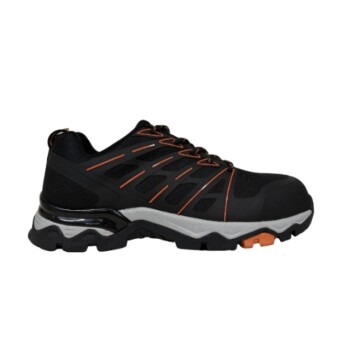
A bionic robot slip testing device fundamentally elevates safety shoe validation by replicating the complex biomechanics of human movement. Rather than relying on simple weight and drag tests, this industrial apparatus simulates specific sliding speeds, slip angles, and vertical loads to measure how footwear performs under realistic physical stress.
By shifting focus from static friction to dynamic slip resistance, this technology reveals how effectively tread patterns manage fluid films to maintain grip during an actual slip event.
Simulating Real-World Biomechanics
Replicating Human Gait Variables
Standard testing often treats a shoe as a stationary object. In contrast, a bionic robot applies realistic human parameters to the testing process.
It dynamically adjusts sliding speed, contact angles, and vertical loads. This mimics the actual physical forces exerted when a worker walks, runs, or begins to lose their balance.
Moving Beyond Static Testing
Traditional quality validation methods frequently rely on static testing. This measures the friction of a shoe that is standing still or moving very slowly.
The bionic robot monitors dynamic slip resistance. It provides data on how the shoe behaves while in motion, offering a more accurate prediction of workplace safety.
Analyzing Environmental Performance
Managing Fluid Dynamics
The primary cause of slipping is often a thin layer of liquid trapped between the sole and the floor. This "fluid film" significantly reduces friction.
The bionic device specifically assesses how the shoe interacts with this film. It validates whether the shoe can penetrate the liquid layer to establish contact with the ground.
Validating Tread Pattern Efficiency
The physical design of the shoe's sole is critical for displacing water or oil. The robot measures the effectiveness of these tread patterns in real-time.
It determines how well the tread facilitates fluid drainage. If the pattern fails to channel liquid away quickly, the device records a loss of grip, highlighting a design flaw.
Testing Across Varied Conditions
Workplace environments are rarely uniform. Consequently, validation cannot be limited to a single surface type.
This apparatus monitors performance across dry, wet, and oily conditions. This ensures the footwear provides consistent protection regardless of environmental contaminants.
Understanding the Trade-offs
Complexity vs. Simplicity
While bionic testing offers superior accuracy regarding human movement, it is a more complex procedure than traditional methods.
Static testing provides a baseline for friction coefficients that is easier to standardize quickly. However, it fails to capture the hydrodynamic variables (fluid movement) that occur during a high-speed slip, making the bionic test necessary for high-fidelity safety validation.
Making the Right Choice for Your Goal
To determine how to best utilize data from a bionic robot slip tester, consider your specific objectives:
- If your primary focus is Tread Design R&D: Prioritize the device's data on fluid drainage to refine how your patterns channel water and oil.
- If your primary focus is Workplace Safety Compliance: rely on the device's dynamic slip resistance metrics across wet and oily conditions to ensure maximum worker protection.
This technology transforms slip testing from a theoretical friction measurement into a realistic safety simulation.
Summary Table:
| Feature | Traditional (Static) Testing | Bionic Robot Testing |
|---|---|---|
| Human Gait Simulation | Limited (static/slow movement) | Replicates sliding speed, contact angles, vertical loads for dynamic realism |
| Slip Resistance Measured | Static friction coefficient | Dynamic slip resistance under realistic motion conditions |
| Fluid Dynamics Assessment | Limited | Assesses fluid film interaction and tread pattern efficiency for drainage |
| Environmental Conditions | Often single, ideal surface | Tests across dry, wet, and oily conditions for comprehensive performance |
| Accuracy / Realism | Lower (theoretical prediction) | Higher (realistic simulation of workplace slips) |
Elevate Your Footwear Offerings with 3515's Superior Manufacturing
As a large-scale manufacturer serving distributors and brand owners, 3515 offers comprehensive production capabilities for all footwear types, anchored by our flagship Safety Shoes series. Our extensive portfolio covers work and tactical boots, outdoor shoes, training shoes, and sneakers, as well as Dress & Formal shoes to meet diverse bulk requirements.
Partner with us to leverage cutting-edge quality assurance, including advanced slip testing, ensuring your products are compliant, reliable, and market-leading. Ready to discuss your next big order and elevate your brand's reputation for quality?
Contact us today to explore our full capabilities and secure your bulk production needs!
References
- Shubham Gupta, Arnab Chanda. Effect of Floor Coatings on Slip-Resistance of Safety Shoes. DOI: 10.3390/coatings12101455
This article is also based on technical information from 3515 Knowledge Base .
Related Products
- Premium Suede Sport Safety Shoes for Wholesale & Bulk Orders
- Premium Lightweight Safety Shoes for Wholesale & Bulk Orders
- Wholesale Anti-Smash & Puncture-Proof Safety Shoes Custom Manufacturing for Brands
- Premium KPU Injection Athletic Style Safety Shoes
- Premium Safety Shoes with Rotating Buckle Safety Sneakers
People Also Ask
- What are the primary functions of professional safety shoes? Maximize Safety in Water Supply Confined Spaces
- What industries have specific OSHA footwear requirements? Ensure Compliance & Protect Your Workforce
- What role do specialized safety shoes play in preventing falls? Engineering Stability in Industrial Environments
- Why should ergonomics and comfort be prioritized when selecting safety shoes? Boost Compliance & Worker Health
- How do complex outsole tread designs in safety shoes work with coated floors? Master Slip Resistance Engineering