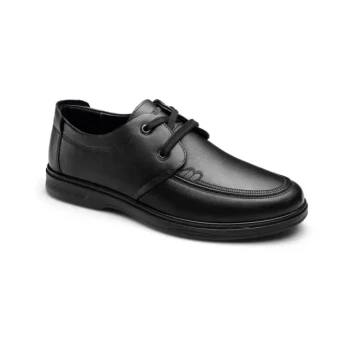
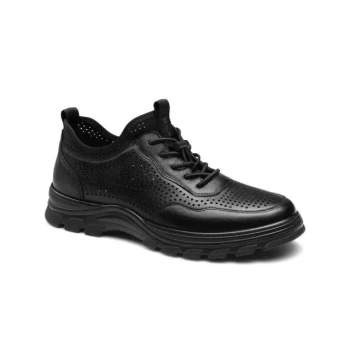
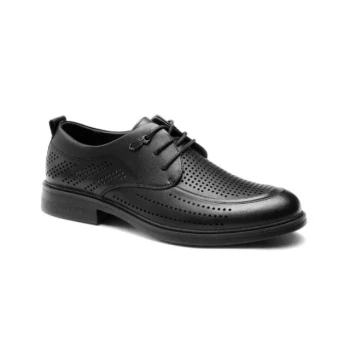
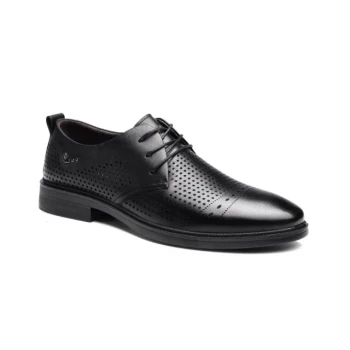
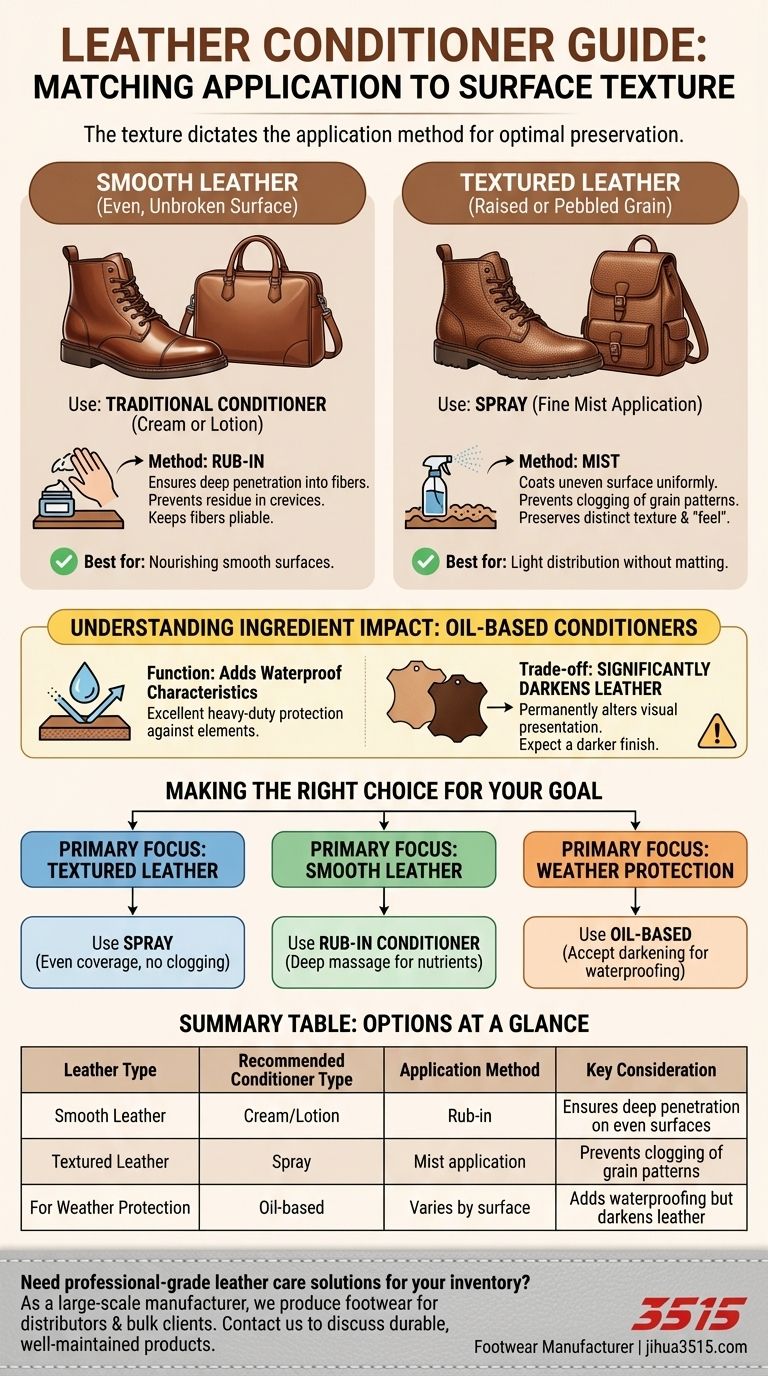
The texture of the leather dictates the application method. For smooth leather, you should use a traditional rub-in conditioner to penetrate the even surface. For textured or pebbled leather, a spray application is required to ensure coverage without clogging the grain.
Matching the application method to the surface topography is critical for preservation. Heavy creams nourish smooth surfaces effectively but can ruin the aesthetics of textured leather, while sprays offer light distribution without matting down distinct grain patterns.
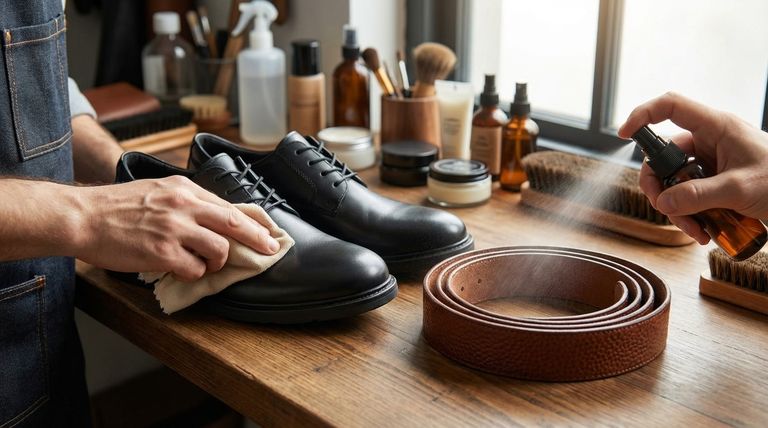
Analyzing Surface Texture and Application
To preserve the integrity of your leather item, you must differentiate between the physical requirements of smooth and textured finishes.
Treating Smooth Leather
Smooth leather presents an unbroken, even surface. This allows for the use of traditional conditioners, which are often creams or lotions.
Because the surface is flat, you can physically rub the conditioner in to ensure deep penetration. This helps keep the fibers pliable without worrying about residue getting trapped in crevices.
Handling Textured Leather
Textured leather possesses a raised or pebbled grain that makes physical rubbing difficult. For these surfaces, a spray is the superior choice.
Using a heavy cream on textured leather often results in the product accumulating in the valleys of the grain. A spray creates a fine mist that coats the uneven surface uniformly without clogging the texture or altering the "feel" of the item.
Understanding Ingredient Impact
Beyond the application method (spray vs. lotion), the ingredients within the conditioner fundamentally alter the leather's appearance and utility.
The Role of Oil-Based Conditioners
The reference materials highlight that oil-based conditioners serve specific functional purposes. They are excellent for adding waterproof characteristics to the leather.
However, these oils penetrate deep into the fibers and permanently alter the visual presentation. You must expect oil-based products to significantly darken the leather.
Recognizing Leather Grades
The type of leather you are treating significantly influences its value and structure. Understanding the grade helps determine how much care to invest.
Full-Grain and Top Grain
Full-grain leather utilizes the outermost layer of the hide and remains largely unaltered, making it the most durable and high-quality option. Top grain leather comes from the central layer; it is often sanded to create an even appearance, making it slightly more processed than full-grain.
Genuine and Bonded Leather
Genuine leather is actually a lower grade, created from the bottommost layer of the hide (the continuous fiber). Bonded leather is the lowest quality, constructed by joining various leather scraps together, similar to how particle board is made from wood.
Understanding the Trade-offs
When choosing a product, you are often balancing aesthetic preservation against heavy-duty protection.
Protection vs. Appearance
If you require maximum protection against the elements, an oil-based conditioner is necessary for waterproofing. The trade-off is an unavoidable darkening of the leather. If preserving the original light color is your priority, you must avoid heavy oils, even if it means less water resistance.
Application Precision
Sprays are excellent for texture, but they can be difficult to control. When using a spray on a textured item, you risk overspray on non-leather parts (like zippers or lining). Conversely, rub-in conditioners offer control but require more effort to buff out evenly.
Making the Right Choice for Your Goal
Select your product based on the specific outcome you need for your leather item.
- If your primary focus is Textured Leather: Use a spray to ensure even coverage without clogging the grain pattern.
- If your primary focus is Smooth Leather: Use a traditional conditioner (cream or lotion) to massage nutrients directly into the hide.
- If your primary focus is Weather Protection: Choose an oil-based conditioner, accepting that it will darken the item in exchange for waterproofing.
The correct maintenance routine respects both the physical grain of the material and the chemical impact of the ingredients.
Summary Table:
| Leather Type | Recommended Conditioner Type | Application Method | Key Consideration |
|---|---|---|---|
| Smooth Leather | Cream/Lotion | Rub-in | Ensures deep penetration on even surfaces |
| Textured Leather | Spray | Mist application | Prevents clogging of grain patterns |
| For Weather Protection | Oil-based | Varies by surface | Adds waterproofing but darkens leather |
Need professional-grade leather care solutions for your inventory? As a large-scale manufacturer, 3515 produces a comprehensive range of footwear for distributors, brand owners, and bulk clients. Our expertise in leather types and treatments ensures your products maintain their quality and appeal. Contact us today to discuss durable, well-maintained footwear that meets your market demands.
Visual Guide
Related Products
- Dial Closure Leather Business Casual Shoes for Wholesale & Private Label
- Wholesale Comfort Leather Business Shoes with Dial Lacing System
- Wholesale Leather Apron Toe Derby Shoes Custom Factory Production
- Wholesale Classic Leather Lace-Up Ankle Boots for Brand Manufacturing
- Factory Direct Wholesale Leather Comfort Shoes with Dial Closure
People Also Ask
- What are the top three recommended business casual shoes? Build a Polished, Versatile Wardrobe
- Why is choosing the right shoes important for a business casual look? Elevate Your Professional Image
- What materials are commonly used in business casual shoes? A Guide to Leather, Suede & More
- What factors should be considered when choosing business casual shoes? Find the Perfect Balance of Style & Comfort
- Are black or brown shoes better for business casual? Master the Versatile Choice for Your Wardrobe