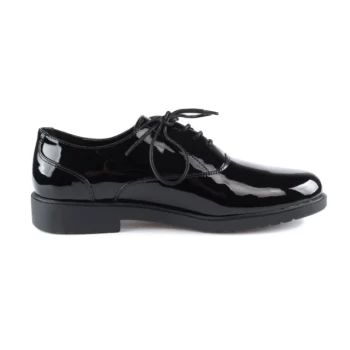
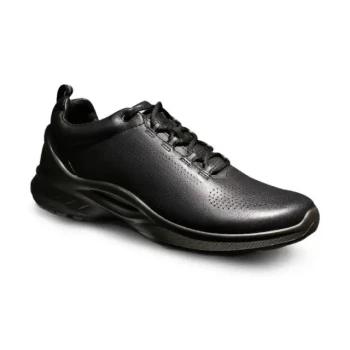
Anatomical shoe last parameters are the fundamental blueprint for long-term foot health in nursing. Specifically, parameters such as toe box depth and forefoot width directly dictate how pressure is distributed across the foot during long shifts. By optimizing the space within the shoe to match human anatomy, these designs reduce muscular tension, improve ankle mobility, and prevent the compression that leads to chronic structural deformities.
Core Takeaway: Scientific shoe last designs do not just accommodate the foot; they actively preserve it. By optimizing pressure distribution and allowing for natural muscle activation, these parameters shift the shoe's role from a protective covering to a tool for injury prevention and fatigue reduction.
The Physiology of Scientific Last Design
Optimizing Pressure Distribution
The primary function of a scientifically designed last is to equalize weight across the plantar surface. When forefoot width and instep height are correctly calibrated, the shoe eliminates high-pressure "hot spots." This even distribution is critical for nurses standing for 12+ hours, as it prevents the localized tissue stress that causes pain.
Reducing Muscular Tension
Ill-fitting shoes force the foot muscles to compensate, leading to stiffness and fatigue. Proper space allocation within the shoe significantly reduces this foot tension. When the foot is not fighting the shoe, the soft tissues can relax, reducing the cumulative strain of a work shift.
Enhancing Ankle Mobility
The impact of the shoe last extends beyond the foot itself. Correct anatomical parameters facilitate improved ankle joint movement. Unrestricted ankle mobility allows for a more natural gait cycle, which is essential for maintaining kinetic alignment and reducing stress on the knees and hips.
Muscle Activation
Unlike restrictive footwear that acts as a cast, anatomical designs encourage engagement. They allow relevant muscles to activate naturally. This activation promotes circulation and proprioception, enhancing overall wearing comfort.
Critical Parameters and Their Impact
Forefoot Width
This parameter controls the horizontal space available for the metatarsals. Adequate forefoot width allows the toes to splay naturally under load. This prevents the lateral compression that is a primary driver of bunions and nerve impingement.
Toe Box Depth
Depth refers to the vertical volume above the toes. Sufficient toe box depth is essential to prevent dorsal pressure. This protects the toenails and toe joints from rubbing against the upper material, preventing corns and other friction injuries.
Instep Height
The instep dimension governs how the shoe holds the midfoot. A scientifically designed instep height secures the foot without constricting blood flow or nerves. This balance is vital for preventing the foot from sliding forward, which can negate the benefits of a wide toe box.
Understanding the Trade-offs
Volume vs. Stability
While increasing space reduces compression, there is a limit to how much volume is beneficial. A shoe that is excessively wide or deep can lack the necessary friction to hold the foot securely. This can lead to internal sliding, which creates shear forces that cause blisters and instability.
Standardization vs. Variation
"Scientific anatomical designs" rely on statistical averages of foot shapes. However, individual feet vary significantly. A last designed for optimal pressure distribution on an "average" foot may still require orthotic adjustments for a nurse with specific existing pathologies, such as flat feet or high arches.
Making the Right Choice for Your Goal
Select your footwear based on your specific health history and daily requirements.
- If your primary focus is preventing chronic deformities: Prioritize maximum forefoot width and toe box depth to ensure your toes have ample room to splay without rigid compression.
- If your primary focus is minimizing shift fatigue: Look for a balanced design that emphasizes muscle activation and ankle joint movement, ensuring the shoe supports a natural, fluid walking motion.
True professional comfort is not about softness; it is about the geometric precision of the fit.
Summary Table:
| Parameter | Impact on Foot Health | Primary Benefit |
|---|---|---|
| Forefoot Width | Prevents metatarsal compression and toe crowding. | Prevents bunions and nerve impingement. |
| Toe Box Depth | Eliminates vertical pressure on toe joints and nails. | Prevents corns, blisters, and friction injuries. |
| Instep Height | Secures the midfoot without restricting circulation. | Prevents sliding and ensures structural stability. |
| Ankle Mobility | Facilitates a natural, unrestricted gait cycle. | Reduces strain on knees, hips, and lower back. |
Partner with 3515 for Anatomical Precision in Footwear Manufacturing
Are you a distributor or brand owner looking to offer superior foot health solutions? As a large-scale manufacturer, 3515 leverages decades of ergonomic expertise to produce high-performance footwear that prioritizes anatomical integrity. Our flagship Safety Shoes series and professional nursing collections are engineered with scientific shoe lasts that ensure optimal pressure distribution and fatigue reduction.
From tactical boots and training sneakers to elegant dress shoes, we provide comprehensive production capabilities to meet your bulk requirements and enhance your brand's value.
Ready to elevate your product line with our manufacturing excellence?
Contact 3515 Today to discuss your wholesale or custom production needs!
References
- Nita Fitria, Aprilia Aulia Ardianti. Description of Nurse Perceptions Regarding Anthropometric Shoes Based on Characteristics of Shoe Selection. DOI: 10.30604/jika.v8i1.1671
This article is also based on technical information from 3515 Knowledge Base .
Related Products
- Wholesale Comfort Dress Shoes with Dial Closure for Custom Manufacturing
- Premium Lightweight Safety Shoes for Wholesale & Bulk Orders
- Wholesale Durable Camouflage Canvas Shoes with High-Traction Cleated Rubber Sole
- Premium Suede Sport Safety Shoes for Wholesale & Bulk Orders
- Premium Wholesale Tactical Style Safety Shoes Boots with Quick Lacing
People Also Ask
- How do comfort dress shoes differ from traditional dress shoes? Discover the Ergonomic Advantage
- Which dress shoe styles are suitable for wearing with jeans? A Guide to Smart-Casual Style
- What features make dress shoes suitable for standing all day? Achieve All-Day Comfort with Anatomical Design
- What are the benefits of resoling dress shoes? Extend Life & Boost Comfort
- What recent trends have influenced traditional dress shoe designs? The Shift to Modern Comfort