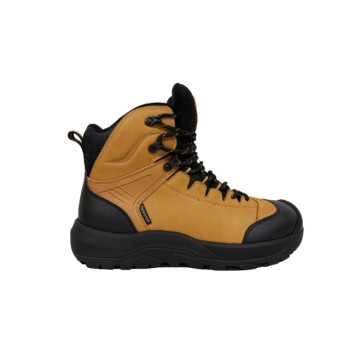
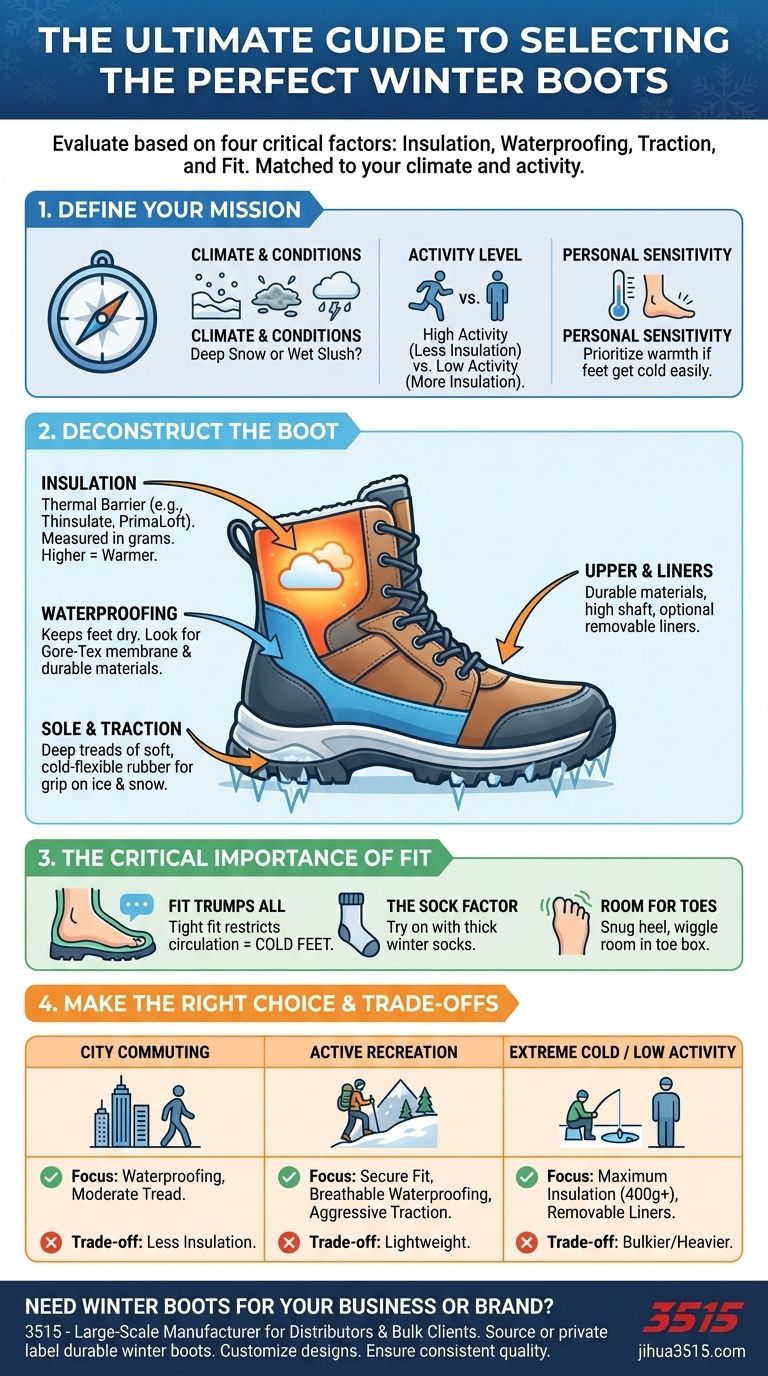
To select the perfect winter boots, you must evaluate them based on four critical factors: the type and amount of insulation for warmth, the quality of the waterproofing to stay dry, the sole's design for traction, and a proper fit that accommodates winter socks without restricting circulation. The ideal choice always depends on your specific climate and how active you plan to be.
The "perfect" winter boot isn't a single product, but a specific combination of features matched to your environment and activity level. Understanding the interplay between warmth, waterproofing, and grip is the key to making an informed decision.
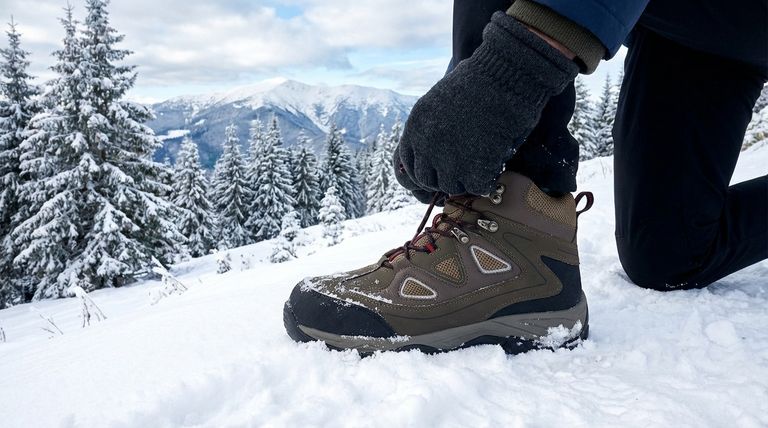
Define Your Mission: What Will These Boots Do?
Before examining any boot, you must first define its purpose. A boot designed for a short walk through a slushy city is fundamentally different from one built for trekking through deep snow in sub-zero temperatures.
Your Climate and Conditions
The environment is your primary filter. Will you be facing deep, powdery snow, or wet, heavy slush and freezing rain? The former demands height to keep snow out, while the latter makes robust waterproofing non-negotiable.
Your Activity Level
Your body generates significant heat when active. Someone standing still for long periods needs a much higher insulation rating than someone winter hiking or snowshoeing. Mismatching this can lead to either dangerously cold or uncomfortably sweaty feet.
Your Personal Sensitivity
Individuals have different thermal needs. If you know your feet get cold easily, you should prioritize a boot with a higher insulation rating, even for moderate climates.
Deconstructing the Ideal Winter Boot
Once you know your requirements, you can assess a boot's components to see if they meet the demand.
Insulation: The Warmth Engine
Insulation acts as the thermal barrier between you and the cold. It's often measured in grams, with higher numbers indicating more warmth. Common synthetic insulations like Thinsulate or PrimaLoft are effective because they provide warmth without excessive bulk.
Waterproofing: Your First Line of Defense
Warmth from insulation is rendered useless if your feet get wet, as water rapidly pulls heat away from the body. Look for boots with a waterproof membrane, such as Gore-Tex, and durable exterior materials to keep feet dry from both snow and slush.
The Sole: Foundation of Grip and Stability
A winter boot's sole is engineered for traction on ice and snow. Look for deep treads (or lugs) made from a softer rubber compound that remains flexible in the cold. This design is crucial for preventing slips and falls on hazardous surfaces.
Upper Materials: Durability and Support
The boot's exterior, or upper, provides structure and protection. Leather is a common choice for its durability and natural water resistance. A higher boot shaft is also typical for winter footwear, as it prevents snow from getting inside.
Liners: A Layer of Versatility
Some boots feature removable liners. This can be an advantage, as it allows you to add extra warmth and makes it much easier to dry the boots out overnight after a full day of use.
The Critical Importance of Fit
A boot with world-class features will fail if it doesn't fit correctly. This is the final and most important check.
Why Fit Trumps All Else
A boot that is too tight will restrict blood circulation to your toes, making them cold regardless of how much insulation is present. It creates a "cold spot" that no technology can overcome.
The Sock Factor
Always try on winter boots while wearing the thick, moisture-wicking socks you intend to use. Trying them on with thin athletic socks will give you a completely inaccurate sense of the final fit.
Room for Your Toes
The correct fit is a snug heel that prevents lifting, combined with enough room in the toe box to wiggle your toes freely. This space creates a pocket of warm air and ensures proper circulation.
Understanding the Trade-offs
There is no single "best" boot, only a series of compromises tailored to a specific goal. Recognizing these trade-offs is the mark of a savvy buyer.
Warmth vs. Weight
Extremely high insulation ratings (e.g., 800g and above) provide immense warmth but result in a heavier, bulkier boot. This is excellent for low-activity use but can be cumbersome for active pursuits like hiking.
Waterproofing vs. Breathability
A fully sealed, waterproof boot is excellent at keeping moisture out, but it can also trap sweat inside. For high-exertion activities, look for boots with breathable waterproof membranes to help manage internal moisture.
Aggressive Traction vs. Urban Comfort
Deep, aggressive lugs are essential for grip on trails but can feel awkward and wear down quickly on flat pavement. A city commuter boot should have a more moderate tread pattern for all-day comfort.
Making the Right Choice for Your Goal
With this framework, you can now select a boot that directly serves your primary need.
- If your primary focus is daily commuting in a city: Prioritize excellent waterproofing and a comfortable sole with moderate tread over maximum insulation.
- If your primary focus is active winter recreation (hiking, snowshoeing): Focus on a secure fit, a breathable waterproof membrane, and an aggressive sole for reliable traction.
- If your primary focus is extreme cold with low activity (ice fishing, outdoor events): Maximize the insulation rating (400g or higher) and consider boots with removable liners for superior warmth and drying.
By matching the boot's construction to your specific needs, you are investing in a season of warmth, safety, and comfort.
Summary Table:
| Key Selection Factor | What to Look For | Why It Matters |
|---|---|---|
| Insulation | Thinsulate, PrimaLoft; rated in grams (e.g., 200g, 400g). | Creates a thermal barrier; higher grams = more warmth for less active use. |
| Waterproofing | Gore-Tex membrane; durable exterior materials. | Keeps feet dry from snow/slush; wet feet lose heat rapidly. |
| Traction & Sole | Deep lugs (treads) made of soft, cold-flexible rubber. | Prevents slips and falls on ice and snow for safety. |
| Fit & Comfort | Snug heel, roomy toe box; try on with your winter socks. | Ensures proper circulation; a tight fit causes cold feet regardless of insulation. |
| Best Use Case | City Commuting: Moderate tread, waterproofing. Winter Hiking: Aggressive tread, breathable. Extreme Cold: High insulation (400g+). | Matches boot performance to your specific activity and environment. |
Need Winter Boots for Your Business or Brand?
As a large-scale manufacturer, 3515 produces a comprehensive range of high-performance footwear for distributors, brand owners, and bulk clients. Our production capabilities encompass all types of insulated, waterproof boots designed for extreme conditions, city life, and everything in between.
We can help you:
- Source or private label durable winter boots built with the exact features your customers need.
- Ensure consistent quality and reliable supply for your inventory.
- Customize designs to match your brand's unique style and performance requirements.
Let's discuss your project and ensure your customers have the perfect boots for the season.
Contact our team today for a consultation
Visual Guide
Related Products
- Premium Insulated Safety Boots and Shoes for Wholesale & Bulk Orders
- Factory Direct Wholesale Rain Boots Durable Waterproof & Fully Customizable
- Durable Waterproof Rain Boots | Custom Manufacturer for Wholesale & Brands
- Wholesale Waterproof Tactical Boots Custom Suede & High-Traction Soles
- Premium Waterproof High-Cut Industrial Safety Boots for Wholesale and Bulk Orders
People Also Ask
- What are the recommended insulation ratings for mild winter conditions? A Guide for Active & Stationary Workers
- How does insulation thickness correlate with temperature ranges? A Guide to Choosing the Right Warmth
- What insulation level is needed for severe cold and stationary work? 1200g or Higher is Essential
- What safety advantages do insulated boots offer beyond warmth? Dielectric Protection & Superior Grip
- How does fleece lining contribute to the warmth of insulated boots? Trapping Air for Superior Cold Protection