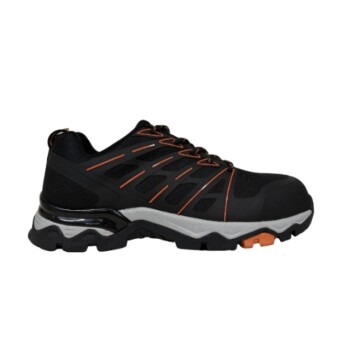
The application of standardized footwear functions as a rigorous control variable. It neutralizes external data noise caused by varying shoe properties, such as weight, sole thickness, and friction coefficients. This technical control is essential for isolating the subject’s true biomechanical performance from equipment-induced artifacts.
In long-term monitoring, standardized footwear serves a singular technical purpose: it ensures that recorded gait fluctuations reflect actual changes in neurological or spinal function, rather than interference from variable equipment.
The Mechanics of Error Elimination
To achieve high-fidelity gait data, you must control the interface between the subject and the ground.
Controlling Physical Variables
Every shoe possesses unique physical characteristics that influence movement. Sole thickness, weight, and material hardness directly affect stride length and lifting effort. By standardizing the footwear, you flatten these variables across the entire dataset.
Normalizing Friction and Grip
Grip strength and friction coefficients dictate how a subject pushes off or stabilizes during the stance phase. Variations here can mimic or mask gait disorders. Standardized shoes ensure that the interaction with the floor remains constant for every subject.
Ensuring Longitudinal Consistency
Long-term studies are particularly vulnerable to "data drift" caused by changing equipment over time.
Isolating Neurological Function
In longitudinal follow-ups, the goal is to track the progression of a patient's condition. Standardization ensures that any observed variance in gait parameters is a direct result of changes in neurological function. Without this control, it is impossible to distinguish between a decline in patient health and a change in their personal footwear.
Validating Structural Abnormalities
Specific gait abnormalities, such as trunk leaning or knee flexion, can be artificially induced by heel height or poor support. Uniform footwear confirms that these deviations are derived solely from changes in the patient's spinal structure or skeletal alignment, ensuring the clinical assessment is accurate.
Common Pitfalls to Avoid
While standardized footwear provides cleaner data, it introduces specific challenges that must be managed.
The "Comfort-Gait" Artifact
While standardization removes mechanical bias, it can introduce "comfort bias" if the shoe fits poorly. If a patient is uncomfortable, they may alter their gait to avoid pain. Ensure the standardized model allows for adequate sizing adjustments to minimize this secondary variable.
Ignoring Wear and Tear
Standardized does not mean "permanent." Over long-term studies, the standardized shoes themselves can degrade, altering their friction and support levels. Regular inspection of the control footwear is necessary to ensure they maintain their original specifications throughout the study duration.
Making the Right Choice for Your Goal
When designing your gait monitoring protocol, apply these principles to ensure data validity:
- If your primary focus is Neurological Progression: Use standardized shoes to ensure that subtle changes in gait speed or stability are attributed to the nervous system, not shoe weight.
- If your primary focus is Structural/Spinal Analysis: Mandate consistent heel heights and sole hardness to accurately measure trunk lean and knee flexion without external skew.
Eliminating the variable of footwear is the only way to guarantee that your data tells the story of the patient, not the shoe.
Summary Table:
| Technical Variable | Impact of Non-Standardized Footwear | Benefit of Standardization |
|---|---|---|
| Physical Specs | Weight and thickness alter stride length | Neutralizes external data noise |
| Friction/Grip | Variable slip levels mimic gait disorders | Ensures constant ground interaction |
| Longitudinal Data | Data drift masks neurological changes | Isolates actual physiological progress |
| Support/Heel Height | Artificially induces trunk or knee leaning | Validates true structural abnormalities |
Partner with 3515 for High-Precision Footwear Solutions
As a premier large-scale manufacturer serving global distributors and brand owners, 3515 provides the rigorous quality control and technical consistency required for specialized applications like gait monitoring and industrial safety. Our flagship Safety Shoes series and diverse portfolio—including tactical boots, training shoes, sneakers, and formal dress shoes—are engineered to eliminate equipment-induced variables, providing your customers with reliable performance and biomechanical stability.
Whether you are scaling a professional footwear brand or supplying high-demand sectors, 3515 offers the comprehensive production capabilities and bulk manufacturing expertise to meet your specifications. Contact us today to discuss your wholesale requirements and see how our manufacturing excellence can add value to your product line.
References
- Cyril Voisard, Laurent Oudre. Innovative multidimensional gait evaluation using IMU in multiple sclerosis: introducing the semiogram. DOI: 10.3389/fneur.2023.1237162
This article is also based on technical information from 3515 Knowledge Base .
Related Products
- Premium Suede Sport Safety Shoes for Wholesale & Bulk Orders
- Premium Lightweight Safety Shoes for Wholesale & Bulk Orders
- Wholesale Anti-Smash & Puncture-Proof Safety Shoes Custom Manufacturing for Brands
- Premium KPU Injection Athletic Style Safety Shoes
- Premium Safety Shoes with Rotating Buckle Safety Sneakers
People Also Ask
- What industries have specific OSHA footwear requirements? Ensure Compliance & Protect Your Workforce
- What are the primary functions of professional safety shoes? Maximize Safety in Water Supply Confined Spaces
- What role do specialized safety shoes play in preventing falls? Engineering Stability in Industrial Environments
- What are the main safety features of S1-S5 shoes? The 3 Essential Protections Explained
- How do specialized safety shoes protect against battery maintenance injuries? Prevent Impact and Chemical Burns