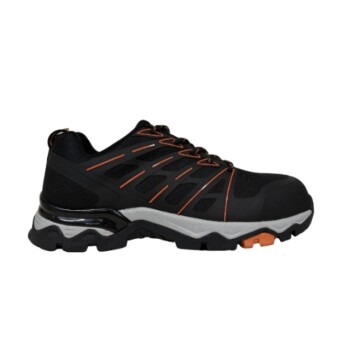
Professional-grade safety shoes provide a dual layer of technical protection engineered specifically for the hazardous conditions of palm oil processing: advanced traction control and structural impact defense. To combat surfaces slick with oil spills and fruit debris, these shoes utilize specialized outsole designs that maximize friction, while simultaneously employing steel or composite toe caps to shield against crushing injuries from heavy equipment or falling materials.
Core Insight: In the context of palm oil production, safety footwear functions as a critical engineering control rather than simple clothing. It serves as the primary physical intervention between the worker and the environment, utilizing material science to stabilize gait on low-friction surfaces and preventing mechanical trauma during zero-accident operations.
Engineering Traction on Oil-Slicked Floors
The Physics of Friction
The primary hazard in palm oil factories is the loss of friction due to oil splashes and vegetable debris. Professional safety shoes address this by utilizing slip-resistant outsoles made from specialized rubber compounds. These materials possess a naturally high coefficient of friction to grip wet surfaces.
Geometric Tread Patterns
Traction is further enhanced through scientifically engineered geometric tread patterns. These designs channel fluids away from the sole, ensuring direct contact between the shoe and the floor. This physical intervention significantly reduces the probability of gait instability and slips.
Protection Against Mechanical Hazards
Impact and Compression Defense
Slipping is often the precursor to other injuries, such as colliding with machinery or dropping heavy loads. To mitigate this, professional footwear integrates steel or composite toe caps. These structures provide a hardened shield against crushing injuries caused by falling tools or heavy fruit bunches during sorting and pressing.
Stability During Operations
The combination of grip and structural reinforcement provides a stable platform for workers. By securing the footing, these shoes allow personnel to handle heavy loads and navigate the sorting stages without the constant fear of losing their balance.
Secondary Protections and Health
Fatigue Management
Beyond immediate physical safety, professional footwear addresses the long-term strain of industrial work. Many models feature comfortable inner linings designed to alleviate fatigue from prolonged standing. This is a vital component in maintaining alertness and reducing error rates over long shifts.
Contamination Barriers
In environments with chemical byproducts or organic waste, these shoes act as a critical barrier against contaminants. They prevent hazardous substances from penetrating the footwear or adhering to the sole, which stops the transfer of toxic materials into clean zones like rest areas.
Understanding the Limitations
The Limits of Friction
While advanced rubber compounds significantly increase grip, they cannot defy physics entirely. An excessive accumulation of thick oil sludge or fruit pulp can eventually overwhelm the tread pattern, rendering the slip resistance less effective.
Dependence on Maintenance
The technical protections of safety shoes rely on the equipment being in good condition. Worn-out treads or compromised toe caps lose their protective integrity. Relying solely on footwear without addressing the root cause of spills—or neglecting shoe replacement cycles—can lead to a false sense of security.
Making the Right Choice for Your Facility
Selecting the correct footwear requires balancing specific environmental risks with worker needs.
- If your primary focus is Slip Prevention: Prioritize footwear with high-friction rubber compounds and deep geometric tread patterns capable of channeling away viscous fluids.
- If your primary focus is Mechanical Safety: Ensure the footwear includes certified steel or composite toe caps to handle the risk of falling fruit bunches and heavy tools.
- If your primary focus is Worker Endurance: Select models with advanced inner linings and ergonomic support to reduce fatigue during long standing shifts.
investing in the right technical footwear is the foundational step toward achieving a zero-accident culture in high-risk industrial environments.
Summary Table:
| Protection Category | Technical Feature | Functional Benefit |
|---|---|---|
| Traction Control | Specialized Rubber & Tread Patterns | Channels oil/debris away to maximize friction and prevent slips. |
| Impact Defense | Steel or Composite Toe Caps | Shields feet from falling fruit bunches and heavy machinery impact. |
| Ergonomics | Advanced Inner Linings | Reduces worker fatigue and musculoskeletal strain during long shifts. |
| Hygiene | Chemical-Resistant Barriers | Prevents organic waste and oil contaminants from penetrating the shoe. |
Secure Your Industrial Safety with 3515 Footwear Solutions
As a large-scale manufacturer serving global distributors and brand owners, 3515 offers comprehensive production capabilities for all footwear types, anchored by our flagship Safety Shoes series. Whether you are navigating the slippery conditions of palm oil processing or demanding heavy-duty mechanical protection, our extensive portfolio covers specialized work and tactical boots, outdoor shoes, training shoes, and sneakers, as well as Dress & Formal shoes to meet your diverse bulk requirements.
Partner with us to leverage our engineering expertise and scale. Contact us today to discuss how we can supply your brand with high-performance footwear that meets the strictest international safety standards.
References
- Zainal Abidin. Accuppational Safety And Health Management System For Zero Accidents In Palm Oil Plantation Companies In West Borneo. DOI: 10.57185/joss.v2i12.261
This article is also based on technical information from 3515 Knowledge Base .
Related Products
- Premium Suede Sport Safety Shoes for Wholesale & Bulk Orders
- Premium Lightweight Safety Shoes for Wholesale & Bulk Orders
- Wholesale Anti-Smash & Puncture-Proof Safety Shoes Custom Manufacturing for Brands
- Premium KPU Injection Athletic Style Safety Shoes
- Premium Safety Shoes with Rotating Buckle Safety Sneakers
People Also Ask
- What are the primary functions of professional safety shoes? Maximize Safety in Water Supply Confined Spaces
- What industries have specific OSHA footwear requirements? Ensure Compliance & Protect Your Workforce
- What role do specialized safety shoes play in preventing falls? Engineering Stability in Industrial Environments
- What happens during the cutting stage of safety shoes manufacturing? Precision, Process & Quality
- Why should ergonomics and comfort be prioritized when selecting safety shoes? Boost Compliance & Worker Health