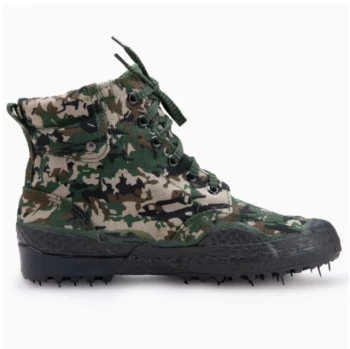
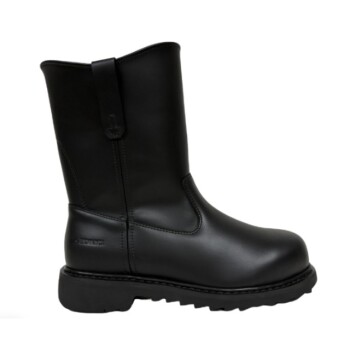
The technical stability of a motorcycle boot’s sole is primarily achieved through high-friction, oil-resistant rubber compounds and internal structural reinforcement. These features work in tandem to provide reliable grip on footpegs and hazardous road surfaces while maintaining the boot's shape under extreme pressure. For large-scale distributors and brand owners, ensuring these specifications are met through certified manufacturing processes is the key to market reliability and rider safety.
Core Takeaway: To ensure maximum stability and grip, a motorcycle boot sole must integrate oil-resistant material science with internal structural shanks. This combination prevents slipping on slick surfaces and provides the torsional stiffness required for professional-grade protection.
Advanced Material Science for Maximum Grip
High-Friction, Oil-Resistant Rubber Compounds
The foundation of a stable boot is a sole made from specialized, high-density rubber that maintains its integrity when exposed to chemicals. Roads and workshop floors are frequently contaminated with oil and coolant, which can cause standard rubber to degrade or lose traction.
By utilizing oil-resistant materials, manufacturers ensure the sole remains "tacky" and reliable even in slick conditions. This material choice is critical for B2B partners looking to minimize product returns and ensure long-term durability in harsh environments.
Deep Tread Geometry for Surface Versatility
Tread patterns are not merely aesthetic; they are engineered to evacuate water and debris from the contact patch. For adventure or off-road segments, deeper lugs are utilized to "bite" into loose soil and mud.
For touring and urban boots, a more refined tread pattern provides maximum surface area contact with asphalt. This ensures the rider has a stable platform when idling at stops or navigating greasy driveways.
Internal Engineering and Structural Integrity
Reinforced Structural Shanks
A "shunk" is a rigid insert placed between the insole and outsole to provide arch support and maintain the boot's longitudinal shape. In professional-grade footwear, these are often made of tempered steel or high-strength TPU.
The shank prevents the sole from wrapping around the footpeg during impact or heavy pressure. This feature is essential for reducing foot fatigue during long-distance rides and protecting the foot's skeletal structure.
Torsional Stiffness and Anti-Twist Technology
Stability is also a matter of preventing unnatural movement. High-performance soles are engineered for high torsional stiffness to prevent the foot from twisting during a slide or crash.
This stiffness is achieved through the layering of different material densities within the sole unit. It ensures that while the boot may flex slightly for walking, it remains a rigid protective shell during high-speed maneuvers.
Enterprise-Level Manufacturing and Reliability
Heritage-Driven Quality Since 1951
For distributors and wholesalers, the technical features of a sole are only as good as the consistency of the production line. Partnering with facilities that possess a rich heritage—some dating back to 1951—ensures that tribal knowledge of footwear construction is integrated into every pair.
Long-standing manufacturers have refined their processes over decades, moving from manual assembly to precision-engineered mass production. This history translates to a lower defect rate and a more reliable product for the end consumer.
State-of-the-Art Equipment and Scalability
Modern motorcycle boots require sophisticated machinery for dual-density injection and heat-sealing. Utilizing state-of-the-art equipment allows for the consistent application of oil-resistant coatings and the precise placement of internal shanks.
For B2B resellers, this technological capability ensures that the thousandth pair of boots is identical in safety and performance to the first. Robust supply chain stability allows for large-volume delivery without sacrificing these critical technical specifications.
Understanding the Trade-offs
Grip vs. Longevity
A common challenge in sole design is the balance between soft, high-grip compounds and hard, long-wearing materials. Softer rubbers provide exceptional "feel" and stickiness on the pegs but will wear down faster under daily use.
Rigidity vs. Walkability
While a highly rigid sole with a reinforced shank provides the best protection and stability while riding, it can make walking feel unnatural. Professional touring boots often use "variable flex" zones to allow for some comfort at the toe while maintaining a rock-solid heel and arch.
How to Apply This to Your Product Strategy
Aligning Technical Features with Market Goals
When selecting or designing motorcycle boots for your inventory, consider how the sole's technical features align with your target demographic's specific needs.
- If your primary focus is Professional Racing or Off-Road: Prioritize boots with maximum torsional stiffness and reinforced metal shanks to withstand high-impact forces.
- If your primary focus is Urban Commuting and Versatility: Look for high-friction, oil-resistant rubber with a focus on "walkable" flex zones to suit daily use.
- If your primary focus is Long-Distance Touring: Ensure the soles feature deep water-evacuation channels and ergonomic arch support for prolonged comfort.
The synergy of advanced materials and internal reinforcement creates a product that stands up to the rigors of the road while delivering the safety riders demand.
Summary Table:
| Technical Feature | Primary Function | Rider Benefit |
|---|---|---|
| Oil-Resistant Rubber | Maintains traction on chemical/oil spills | Prevents slips on slick road surfaces |
| Reinforced Shanks | Provides longitudinal support & arch protection | Reduces foot fatigue and prevents crushing |
| Deep Tread Geometry | Evacuates water, mud, and debris | Ensures grip in adventure and off-road terrain |
| Torsional Stiffness | Limits unnatural twisting of the foot | Maximizes safety during high-impact slides |
| High-Density Layers | Absorbs vibrations and impacts | Enhances comfort for long-distance touring |
Partner with 3515 for Enterprise-Level Footwear Manufacturing
As a large-scale manufacturer serving distributors and brand owners since 1951, 3515 offers comprehensive production capabilities for all footwear types, anchored by our flagship Safety Shoes series. Our extensive portfolio covers high-performance motorcycle boots, tactical footwear, outdoor shoes, and formal dress shoes to meet your diverse bulk requirements.
We provide our B2B partners with:
- Massive Production Scale: Robust supply chain stability for consistent large-volume delivery.
- Certified Quality: Products backed by international certifications and state-of-the-art manufacturing equipment.
- Premium OEM/ODM Support: Tailored designs that maximize your profit margins and brand value.
Ready to elevate your product line with a heritage-driven manufacturing partner? Contact our sales team today to discuss your bulk requirements.
Related Products
- Durable Spiked Camouflage Boots Wholesale & Factory Production
- Heavy-Duty Goodyear Welted Pull-On Safety Rigger Boot
- Premium Oil Wax Leather Safety Boots for Bulk Purchase
- Durable Rubber Sole Outdoor Shoes Wholesale & Custom Manufacturing
- Durable Moc Toe Wedge Sole Work Boots for Wholesale and Private Label
People Also Ask
- How does boot height affect waterproofing? Choose the Right Height for Ultimate Protection
- What are the best types of shoes for different gardening conditions? Find Your Perfect Match.
- What role does camouflage play in hunting boots? It's More Than Just a Pattern
- What should you look for to ensure boots are fully waterproof? The Essential 2-Part System
- How does boot construction affect waterproofing? The Science Behind Truly Dry Feet