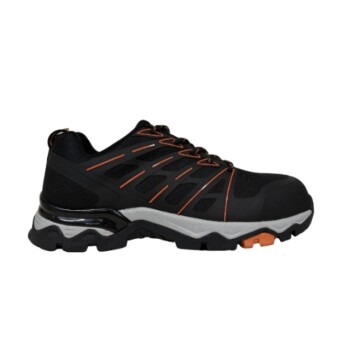
Professional safety shoes are engineered barriers designed to neutralize specific physical threats found in industrial and construction environments. Primarily, they prevent traumatic injuries caused by sharp object penetration, the impact of heavy falling materials, and crushing forces, while also mitigating environmental risks such as slippery surfaces and chemical exposure.
By integrating reinforced structural elements like protective toe caps and puncture-resistant midsoles, professional safety footwear transforms a worker’s feet from vulnerable targets into protected assets. This equipment is not merely about compliance; it is a fundamental safeguard that prevents catastrophic injuries and the project delays that inevitably follow.
The Mechanics of Physical Protection
Impact and Crushing Defense
The most immediate hazard on a worksite is the potential for heavy objects to fall or drop. This includes timber, furniture components, construction materials, or tools.
Professional safety shoes utilize reinforced toe caps—often made of steel or high-strength composite materials—to absorb and deflect this energy. This structure specifically prevents crushing injuries that could otherwise permanently disable a worker.
Puncture and Penetration Barriers
Construction sites are frequently littered with sharp debris, such as discarded steel bars, nails, glass, or metal shards.
To combat this, industrial-grade shoes feature puncture-resistant layers or high-strength midsoles. These barriers effectively block sharp objects from piercing the sole and entering the foot, a critical defense during site clearing and foundation work.
Environmental and Stability Hazards
Slip and Fall Prevention
Beyond direct impact, unstable ground surfaces pose a significant risk. Hazards include wet floors, spilled oils, sawdust, or complex, uneven terrain.
Safety shoes address this with specialized outsoles designed for high traction and oil resistance. These anti-slip textures are essential for maintaining worker stability and preventing falls that result in secondary injuries.
Chemical and Element Resistance
In many industrial settings, workers encounter hazardous fluids. Standard footwear can degrade or allow liquids to seep through.
Professional footwear often includes resistance to chemical solutions and oils. This protects the skin from burns and ensures the structural integrity of the shoe is not compromised by corrosive substances.
Understanding the Trade-offs
Protection vs. Fatigue
While maximum protection is vital, the addition of steel toes and thick puncture-resistant soles adds weight.
Prolonged standing or walking in heavy footwear can lead to increased fatigue, which ironically creates a new safety risk. It is crucial to balance heavy-duty protection with features like comfortable inner linings or lighter composite materials to maintain worker alertness.
Specificity of Hazard Ratings
Not all safety shoes protect against all hazards equally. A shoe excellent at resisting crushing forces may not be rated for specific electrical risks or chemical exposures.
Assuming a "general" safety shoe covers every niche hazard is a common pitfall. You must verify that the shoe's specific ratings match the unique environmental risks of your site.
Making the Right Choice for Your Environment
Selecting the correct footwear requires mapping the shoe's features to your site's dominant risks.
- If your primary focus is construction and demolition: Prioritize shoes with high-grade puncture resistance and steel toe caps to handle nails and falling debris.
- If your primary focus is manufacturing or workshops: Look for slip-resistant outsoles and oil resistance to manage smooth, slick, or sawdust-covered floors.
- If your primary focus is long-duration shifts: Select footwear that utilizes composite materials and ergonomic linings to reduce fatigue without sacrificing impact protection.
The right safety shoe acts as a critical insurance policy, ensuring that hazardous conditions remain external threats rather than internal injuries.
Summary Table:
| Hazard Type | Protective Feature | Benefit to Worker |
|---|---|---|
| Heavy Falling Objects | Reinforced Toe Caps (Steel/Composite) | Prevents crushing and impact injuries |
| Sharp Debris (Nails/Glass) | Puncture-Resistant Midsoles | Blocks penetration through the sole |
| Wet or Oily Surfaces | High-Traction Outsoles | Minimizes slips, trips, and falls |
| Corrosive Liquids | Chemical-Resistant Materials | Protects skin and maintains shoe integrity |
| Long-Shift Fatigue | Ergonomic Linings & Light Composites | Reduces physical exhaustion and maintains alertness |
Secure Your Workforce with Premium Industrial Footwear
As a large-scale manufacturer serving distributors and brand owners, 3515 offers comprehensive production capabilities for all footwear types. Our flagship Safety Shoes series is specifically engineered to meet the rigorous demands of industrial and construction settings.
Beyond safety boots, our extensive portfolio covers work and tactical boots, outdoor shoes, training shoes, sneakers, and Dress & Formal shoes to meet your diverse bulk requirements. Partner with us to provide your clients with unmatched durability and protection.
Contact 3515 Today to Discuss Your Bulk Requirements
References
- Yeo-Reum Lee, Han-Guk Ryu. Deep learning-based framework for monitoring wearing personal protective equipment on construction sites. DOI: 10.1093/jcde/qwad019
This article is also based on technical information from 3515 Knowledge Base .
Related Products
- Premium Suede Sport Safety Shoes for Wholesale & Bulk Orders
- Premium Lightweight Safety Shoes for Wholesale & Bulk Orders
- Wholesale Anti-Smash & Puncture-Proof Safety Shoes Custom Manufacturing for Brands
- Premium KPU Injection Athletic Style Safety Shoes
- Premium Safety Shoes with Rotating Buckle Safety Sneakers
People Also Ask
- What industries have specific OSHA footwear requirements? Ensure Compliance & Protect Your Workforce
- What are the primary functions of professional safety shoes? Maximize Safety in Water Supply Confined Spaces
- What role do specialized safety shoes play in preventing falls? Engineering Stability in Industrial Environments
- Why are customized foot sensors or professional safety shoes incorporated into biomechanical testing? Precision Insights
- What are the technical advantages of integrating sensors into safety shoes? Achieve Superior Motion Capture Precision