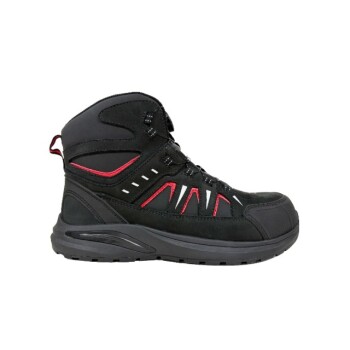
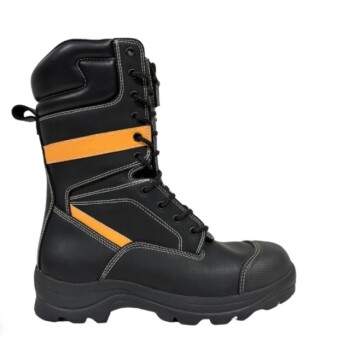
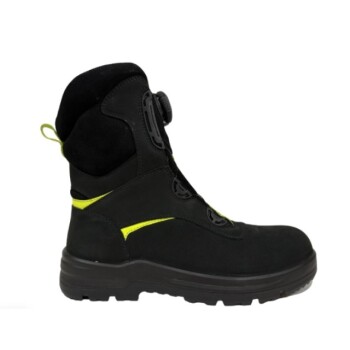
To withstand the extreme environment of a sugar refinery, industrial boots must feature outsoles engineered from high-grade vulcanized rubber or specialized heat-resistant compounds. These materials are non-negotiable for preventing degradation when in contact with hot floors or concentrated sugar solutions. Additionally, the footwear requires verified chemical resistance to endure the acidic and alkaline substances used during clarification and cleaning processes.
The longevity and safety of refinery footwear depend on specialized outsole compounds that prevent structural failure when exposed to extreme heat and corrosive sugar processing byproducts.
Critical Thermal Defense Mechanisms
The Necessity of Vulcanized Rubber
Standard safety footwear often utilizes polyurethane outsoles, which can melt or warp in high-heat settings. For sugar refineries, you must prioritize high-grade vulcanized rubber.
This material is chemically treated to withstand significant thermal shock. It allows the boot to maintain its shape and grip even when walking on heated metal grating or hot concrete floors.
Resisting Hot Sugar Solutions
Sugar is not just sticky; in a refinery context, hot sugar solutions act as a powerful solvent that can break down lesser materials.
Boots must feature specialized heat-resistant compounds designed to repel these solutions. This prevents the sole from becoming soft or porous, ensuring the structural integrity of the boot remains intact over long shifts.
Chemical Resistance Features
Handling Variable pH Levels
The refining process involves distinct stages that utilize aggressive chemical agents. The footwear must offer a broad spectrum of protection against both acidic and alkaline environments.
This is particularly critical during the clarification and cleaning stages. Without this specific resistance, the boot's upper and sole connection can corrode, leading to rapid failure and potential skin burns.
The Role of the Thermal Barrier
Beyond preventing the boot from falling apart, chemical and heat resistance acts as a reliable thermal barrier for the wearer.
Properly engineered materials stop heat transfer from the floor to the foot. This reduces fatigue and prevents contact burns, allowing workers to focus on their tasks rather than their discomfort.
Understanding the Trade-offs
Specialized vs. General Purpose
It is a common error to assume "heavy duty" construction boots are sufficient for chemical plants.
General-purpose boots may offer impact protection, but they lack the specific compound formulation required to survive sugar solutions. Using non-specialized boots will lead to rapid degradation, requiring frequent replacement and increasing safety risks.
Material Weight and Flexibility
Boots utilizing high-grade vulcanized rubber and dense chemical-resistant materials are often heavier than standard synthetic boots.
While they provide superior protection, they may increase leg fatigue over time. You are trading a degree of lightweight comfort for essential environmental survivability.
Making the Right Choice for Your Environment
Selecting the correct footwear is a balance between the specific chemical exposure levels and the temperature of the working surface.
- If your primary focus is High-Temperature Floors: Prioritize boots with high-grade vulcanized rubber outsoles to prevent melting and maintain traction on hot surfaces.
- If your primary focus is Chemical Cleaning Zones: Ensure the boot specifications explicitly state resistance to the specific acidic or alkaline agents used in your clarification stage.
Invest in the correct material science today to ensure safety and prevent equipment failure tomorrow.
Summary Table:
| Feature | Material / Compound | Key Benefit | Risks Addressed |
|---|---|---|---|
| Thermal Defense | High-grade Vulcanized Rubber | Withstands thermal shock, maintains grip | Hot floors, heated metal grating, melting/warping |
| Hot Solution Resistance | Specialized Heat-Resistant Compounds | Repels hot sugar solutions, ensures integrity | Hot sugar solutions, material breakdown, porous soles |
| Chemical Resistance | Broad-spectrum Compounds | Protection against acids and alkalis | Corrosive chemicals, material corrosion, skin burns |
| Thermal Barrier | Engineered Materials | Prevents heat transfer, reduces fatigue | Contact burns, heat transfer to foot, worker discomfort |
Elevate safety and durability for your workforce in demanding industrial environments. As a large-scale manufacturer serving distributors and brand owners, 3515 offers comprehensive production capabilities for all footwear types, anchored by our flagship Safety Shoes series. Our extensive portfolio covers work and tactical boots, outdoor shoes, training shoes, and sneakers, as well as Dress & Formal shoes to meet diverse bulk requirements. Contact 3515 today to secure specialized industrial footwear that stands up to extreme thermal and chemical risks.
References
- Nidya Shara Mahardika, Nindia Furqidatul Hasanah. Identifikasi Potensi Bahaya pada Proses Produksi di Pabrik Gula Pradjekan Kabupaten Bondowoso. DOI: 10.25047/jmaa.v2i2.58
This article is also based on technical information from 3515 Knowledge Base .
Related Products
- Premium Oil Wax Leather Safety Boots for Bulk Purchase
- Wholesale Durable Safety Boots | Custom Steel Toe & Puncture-Resistant Manufacturing
- Premium Waterproof High-Cut Industrial Safety Boots for Wholesale and Bulk Orders
- Wholesale Durable Breathable Safety Boots Custom OEM Manufacturer
- Custom Wholesale Leather Safety Boots Direct Factory Manufacturing
People Also Ask
- What materials are commonly used for outsoles in safety boots? A Guide to Durability, Grip, and Comfort
- How do safety boots reduce cutting hazards? Essential Protection for Your Workforce
- What are the common types of safety boots and their primary uses? A Guide to Industrial Footwear
- Which organizations develop safety standards for work boots? Ensure Compliance & Worker Safety
- What primary protective functions do professional safety boots provide in urban solid waste recovery and waste picking processes? Discover Dual-Layer Protection.