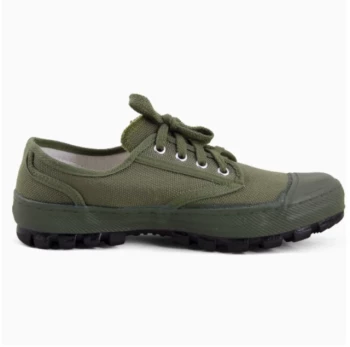
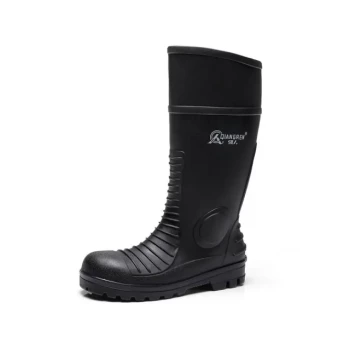
The best shoes for working on your feet all day are not defined by a single brand, but by a specific combination of features. The most effective footwear provides exceptional cushioning for shock absorption, structured arch support for proper alignment, and a fit that allows for natural foot swelling, with models like the Hoka Bondi 8 and Kuru Atom 2 often cited for excelling in these areas.
The search for the perfect work shoe isn't about finding one magical brand. It's about understanding the core principles of support and matching them to the unique demands of your feet and your job.

The Anatomy of an All-Day Work Shoe
To make an informed choice, you must understand the key components that separate a truly supportive shoe from one that will cause fatigue and pain.
Unwavering Cushioning and Shock Absorption
Your body's joints bear the brunt of every step on a hard surface. Quality cushioning is non-negotiable.
Look for shoes made with materials like EVA foam or gel inserts. These materials are engineered to absorb impact, reducing the stress on your feet, ankles, knees, and back.
Essential Arch Support
A flat insole forces your foot into an unnatural position, leading to strain and fatigue.
Proper arch support comes from a contoured footbed that cradles the natural curve of your foot. This promotes correct alignment and distributes pressure evenly, preventing conditions like plantar fasciitis.
The Critical Importance of a Proper Fit
A shoe that is too tight can restrict circulation and cause significant discomfort as your feet naturally swell throughout the day.
Your shoe must have a spacious toe box that allows your toes to splay naturally. A good practice is to shop for shoes later in the day when your feet are at their largest, and consider going up a half-size if you plan to use custom orthotics.
Materials That Promote Health and Durability
The materials of a shoe dictate its breathability and lifespan.
Choose uppers made from breathable materials like mesh or full-grain leather to keep feet cool and dry. The outsole should be made of high-quality, durable rubber to resist wear and tear from constant use.
Tailoring the Shoe to Your Profession
The right shoe is not a one-size-fits-all solution. Your work environment dictates specific needs for safety and performance.
For Hard Surfaces (Healthcare, Retail, Service)
Jobs that involve constant walking and standing on concrete or tile demand maximum shock absorption.
Models like the Hoka Clifton or Bondi series are specifically designed with plush cushioning to mitigate the impact of unforgiving floors.
For Safety-Critical Environments (Warehouses, Construction)
When there's a risk of falling objects or crushing incidents, protection is paramount.
Composite-toe shoes are often recommended over steel-toe for all-day wear as they are significantly lighter, reducing leg fatigue. Also, ensure the outsole is certified slip-resistant for traction on potentially slick surfaces.
For Professional Settings (Offices, Education)
Even in a less physically demanding environment, standing for presentations or meetings requires support.
Look for dress shoes that have built-in arch support. If your preferred style lacks this, you can significantly improve comfort by installing high-quality orthotic insoles.
Understanding the Trade-offs and Pitfalls
Choosing the wrong shoe or feature can sometimes do more harm than good. A truly informed decision involves knowing what to avoid.
The Misconception of "One Type Fits All"
Your specific foot condition, such as flat feet or high arches, may require specialized support that a standard shoe doesn't offer.
While many shoes have good built-in insoles, don't hesitate to invest in custom or high-quality orthotics to address your unique anatomical needs for support and alignment.
The Caution Against Rocker-Bottom Soles
While popular for some, rocker-bottom shoes, which have a thicker-than-normal sole with a rounded heel, are not universally beneficial.
These shoes can increase the load on the heel and midfoot, potentially worsening discomfort for individuals with plantar fasciitis, flat feet, or overpronation.
Never Compromise on Heel Height
A proper work shoe should maintain a natural foot position.
The heel should be only slightly elevated, less than 2 inches high but at least 1/4-inch higher than the ball of the foot. This slight elevation supports a healthy posture without putting undue strain on your forefoot.
Making the Right Choice for Your Goal
Your final decision should be guided by your primary need.
- If your primary focus is maximum cushioning on hard floors: Prioritize shoes known for their plush foam midsoles, designed for superior shock absorption.
- If your primary focus is safety and protection: Choose a composite-toe shoe for a lightweight feel and ensure it has a certified slip-resistant outsole.
- If your primary focus is balancing professional style with comfort: Select a well-made shoe that can accommodate a high-quality orthotic insole for customized arch support.
Investing in the right footwear is a direct investment in your daily well-being and long-term health.
Summary Table:
| Key Feature | Why It Matters | Look For |
|---|---|---|
| Cushioning | Absorbs shock to protect joints (knees, back). | EVA foam, gel inserts, plush midsoles. |
| Arch Support | Promotes proper alignment and prevents strain. | Contoured footbeds, accommodates orthotics. |
| Proper Fit | Prevents discomfort as feet swell during the day. | Spacious toe box, shop later in the day. |
| Durable Materials | Ensures longevity and foot health. | Breathable mesh/leather uppers, rubber outsoles. |
Stop compromising on comfort and safety. As a large-scale manufacturer, 3515 produces a comprehensive range of footwear designed specifically for professionals who are on their feet all day. We offer the durable construction, advanced cushioning, and essential support features detailed in this article. Whether you are a distributor, brand owner, or bulk client, we can produce the perfect shoes and boots for your needs. Contact 3515 today to discuss your manufacturing requirements and invest in footwear that supports your workforce.
Visual Guide

Related Products
- Durable Goodyear Welt Leather Work Boots for Wholesale & Private Label
- Durable Leather Moc Toe Work Boots for Wholesale & Custom Manufacturing
- Durable Leather Work Boots for Wholesale & Custom Manufacturing
- Durable Leather Work Boots for Wholesale & Custom OEM Manufacturing
- Durable Canvas Work Shoes with Rubber Lug Sole | Wholesale Manufacturer
People Also Ask
- What is the difference between full-grain and top-grain leather? Premium Material Guide for Boot Manufacturers
- What are the advantages of leather as an upper material for work boots? Unmatched Durability & Custom Comfort
- Why is it important to waterproof leather work boots? Protect Your Investment and Performance
- How should new leather work boots be broken in? A Guide to Comfort and Durability
- What are the advantages of leather uppers in work boots? Unmatched Durability & Protection