The implementation of mandatory, standardized Personal Protective Equipment (PPE) is the decisive physical barrier required to separate welding operators from immediate environmental threats. This mandate is essential because it effectively blocks ultraviolet radiation, high-temperature splashes, and hazardous fumes, directly reducing the incidence of severe occupational injuries such as electro-optical ophthalmia, skin burns, and respiratory infections.
Standardized PPE provides a verified baseline of protection, ensuring that every worker is shielded by equipment capable of withstanding the specific intensity of welding hazards to maintain regulatory compliance.
The Protective Function of Standardized Gear
Blocking Ultraviolet Radiation
Welding arcs generate intense ultraviolet (UV) light that can cause immediate and long-term damage to the eyes. Standardized protective gear, particularly welding helmets with certified filters, serves as the primary shield against this radiation.
Without this specific barrier, workers face a high risk of electro-optical ophthalmia (commonly known as "arc eye"). This painful condition is a direct result of unshielded exposure to UV rays.
Deflecting Thermal Hazards
Welding operations inevitably produce high-temperature splashes and molten slag. Standardized clothing and gloves act as a thermal shield, preventing these superheated materials from contacting the skin.
Mandating this equipment is the only way to consistently prevent severe skin burns. Ordinary clothing cannot withstand the thermal shock of welding spatter.
Filtering Hazardous Fumes
The welding process releases a complex mixture of metallic oxides and gases. Standardized respiratory protection is required to filter these particulates before they enter the welder's lungs.
Proper use of this equipment is critical for preventing respiratory infections and long-term lung damage caused by chronic inhalation of these fumes.
Why "Standardized" is Non-Negotiable
Eliminating Variables in Safety
Allowing workers to choose non-standardized equipment introduces dangerous variables into the safety equation. "Standardized" implies that the gear has been tested and rated for specific welding intensities.
Ensuring Regulatory Compliance
Adherence to safety production regulations is impossible without a standardized approach. Mandatory protocols ensure that an enterprise meets the legal requirements for occupational health, protecting the company from liability and the workers from harm.
Common Pitfalls to Avoid
The "False Security" Trap
Possessing the right equipment does not guarantee safety if it is not maintained or worn correctly. A common mistake is assuming that simply issuing standardized PPE is the end of the safety management process; it is only the beginning.
Over-Reliance on PPE
PPE should never be the only safety measure. It is a physical barrier, not a hazard eliminator. Relying solely on PPE without implementing engineering controls (like ventilation systems) to reduce fumes at the source can lead to safety gaps.
Making the Right Choice for Your Safety Protocol
If your primary focus is Immediate Injury Prevention:
- Strictly enforce the use of standardized eye and skin protection to block UV radiation and thermal splashes, creating an instant physical barrier against trauma.
If your primary focus is Long-Term Health:
- Prioritize standardized respiratory equipment to filter hazardous fumes, preventing chronic respiratory infections and occupational disease.
If your primary focus is Organizational Compliance:
- Implement a mandatory PPE policy that aligns with safety production regulations to standardize risk management across all operations.
Standardized PPE is not merely a uniform; it is a calibrated engineering control designed to keep the welder alive and healthy.
Summary Table:
| Hazard Category | Protection Required | Key Benefit |
|---|---|---|
| UV Radiation | Certified Welding Helmets | Prevents electro-optical ophthalmia (arc eye) |
| Thermal Hazards | Heat-Resistant Gloves/Clothing | Blocks molten spatter and severe skin burns |
| Hazardous Fumes | Standardized Respirators | Filters metallic oxides to prevent lung infection |
| Regulatory | Standardized/Rated Gear | Ensures compliance and eliminates safety variables |
Secure Your Workforce with Certified Protective Gear
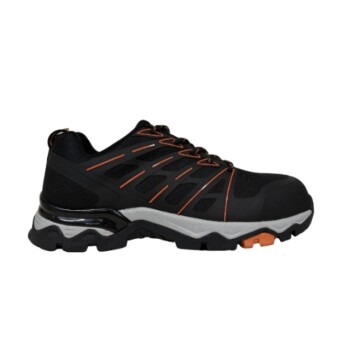
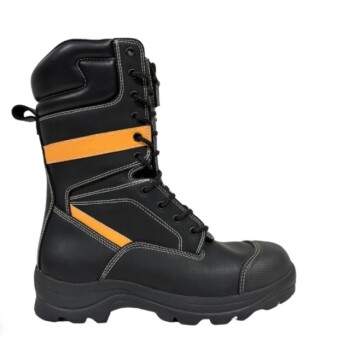
As a large-scale manufacturer serving distributors and brand owners, 3515 offers comprehensive production capabilities for all footwear types, anchored by our flagship Safety Shoes series. Our footwear is engineered to complement your PPE protocols, providing the durable thermal and slip-resistant protection required for welding and industrial environments. Our extensive portfolio covers work and tactical boots, outdoor shoes, training shoes, and sneakers, as well as Dress & Formal shoes to meet diverse bulk requirements.
Partner with a manufacturer that understands occupational health and safety—contact us today to discuss your bulk footwear needs!
References
- Manggi Dwi Cahyono, Devi Susiati. Analisis Risiko Bahaya Kesehatan dan Keselamatan kerja (K3) Pengelasan dengan Metode Fishbone Diagram dan Job Safety Analisis (JSA). DOI: 10.31004/jutin.v7i1.24073
This article is also based on technical information from 3515 Knowledge Base .
Related Products
- Heavy-Duty Waterproof Nubuck Safety Boots Safety Shoes for Bulk Supply
- Advanced KPU Athletic Safety Shoe with Steel Toe Cap Anti-Slip Rotary Lacing System
- Premium Safety Shoes with Rotating Buckle Safety Sneakers
- Premium KPU Athletic Safety Shoes for Wholesale
- Premium KPU Injection Athletic Style Safety Shoes
People Also Ask
- What primary protective functions do professional safety boots provide in urban solid waste recovery and waste picking processes? Discover Dual-Layer Protection.
- How do safety boots reduce cutting hazards? Essential Protection for Your Workforce
- Which organizations develop safety standards for work boots? Ensure Compliance & Worker Safety
- What are the common types of safety boots and their primary uses? A Guide to Industrial Footwear
- Why is ankle and arch support important in safety footwear? Prevent Injury & Fatigue