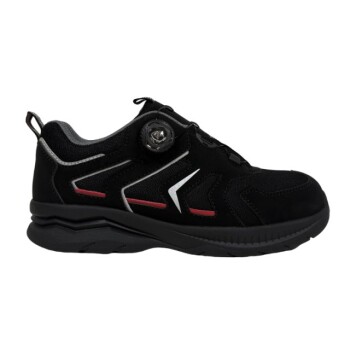
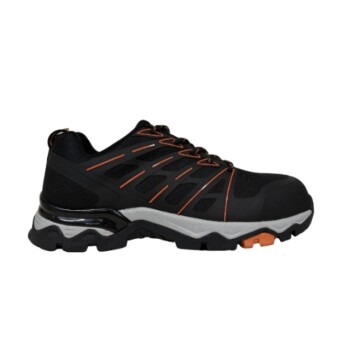
Gyroscopic sensors act as the critical posture-monitoring engine within industrial fall detection systems. Unlike simple motion detectors, these sensors specifically measure angular velocity to identify high-precision changes in body orientation, instantly triggering emergency alerts and location transmission when abnormal dynamics indicative of a fall or slip are detected.
The Core Insight Accelerometers measure speed and impact, but gyroscopic sensors provide the necessary context by tracking rotation and posture. This distinction allows the system to validate that a fall has actually occurred, enabling rapid, automated rescue responses in isolated or complex industrial environments.
The Mechanics of Detection
Measuring Angular Velocity
While accelerometers track linear movement, gyroscopes record changes in angular velocity. This high-frequency raw data is essential for understanding how a worker is moving through space, rather than just how fast they are moving.
Monitoring Posture Changes
Gyroscopic sensors integrated into safety shoes or wearables constantly monitor for high-precision posture changes. By analyzing rotation, the sensor can distinguish between a worker merely jumping down a step and a worker losing their balance and toppling over.
Identifying Abnormal Dynamics
Falls, slips, and trips produce specific movement signatures. The sensor uses the data on angular velocity to instantly identify abnormal dynamics that deviate from standard work patterns, flagging them as potential safety incidents.
Operational Response and Safety
Instant Signal Triggering
Once a suspected fall is captured by the sensor, the device reacts immediately. The gyroscope triggers the device to send an emergency signal, automating the request for help without requiring input from an injured or unconscious worker.
Precise Location Tracking
The alert is not just a distress call; it includes precise location coordinates. This data is transmitted to a control room via a portable terminal or smartwatch, ensuring response teams know exactly where to go.
Critical Support for Remote Areas
This functionality is vital for personnel working in complex industrial sites or isolated areas. In these environments, visual supervision is often impossible, making the gyroscope's automated detection the primary lifeline for timely rescue.
Understanding the Trade-offs
Sensitivity vs. False Positives
A key challenge in implementing gyroscopic sensors is calibrating sensitivity. High sensitivity ensures no fall is missed, but it increases the risk of false alarms triggered by normal but vigorous industrial activities.
Data Complexity
Gyroscopes generate high-frequency, complex data streams. Processing this data to accurately differentiate between a stumble and a full fall requires sophisticated algorithms, which can impact the device's battery life and processing power requirements.
Making the Right Choice for Your Environment
To select the most effective fall detection system, consider your specific operational risks:
- If your primary focus is Remote Worker Safety: Prioritize systems with robust connectivity that can transmit the gyroscope's location data instantly to a central control room.
- If your primary focus is Complex/Active Worksites: Look for devices with advanced algorithms that use gyroscopic data to filter out false positives from standard heavy labor movements.
By leveraging the precise angular data provided by gyroscopic sensors, you transform passive safety gear into an active, life-saving monitoring system.
Summary Table:
| Feature | Gyroscopic Sensor Function | Safety Benefit |
|---|---|---|
| Movement Tracking | Measures angular velocity and rotation | Distinguishes between normal labor and actual falls |
| Posture Monitoring | High-precision orientation analysis | Detects trips, slips, and loss of balance instantly |
| Incident Response | Triggers emergency signals automatically | Enables rescue for unconscious or isolated workers |
| Data Integration | Pairs with GPS and accelerometers | Provides precise location and context for response teams |
Upgrade Your Workforce Safety with 3515 Smart Footwear Solutions
As a large-scale manufacturer serving distributors and brand owners, 3515 offers comprehensive production capabilities for all footwear types, anchored by our flagship Safety Shoes series. Our extensive portfolio covers work and tactical boots, outdoor shoes, training shoes, and sneakers, as well as Dress & Formal shoes to meet diverse bulk requirements.
By integrating advanced sensor technology into our high-performance safety boots, we help you provide a life-saving monitoring system for your customers. Contact us today to discuss your bulk manufacturing needs and discover how our expertise can add value to your footwear line!
References
- Paolo Bragatto, Silvia Ansaldi. Cyber Physical Systems for occupational safety at industrial sites: Opportunities and challenges. DOI: 10.5937/sjm17-41131
This article is also based on technical information from 3515 Knowledge Base .
Related Products
- Premium Safety Shoes with Rotating Buckle Safety Sneakers
- Premium Lightweight Safety Shoes for Wholesale & Bulk Orders
- Premium Suede Sport Safety Shoes for Wholesale & Bulk Orders
- Premium KPU Injection Athletic Style Safety Shoes
- Wholesale Anti-Smash & Puncture-Proof Safety Shoes Custom Manufacturing for Brands
People Also Ask
- How Specialized Footwear Impacts Side-Cutting Performance and Injury Risk Assessment
- What industries have specific OSHA footwear requirements? Ensure Compliance & Protect Your Workforce
- How do complex outsole tread designs in safety shoes work with coated floors? Master Slip Resistance Engineering
- What role do specialized safety shoes play in preventing falls? Engineering Stability in Industrial Environments
- How do specialized safety shoes protect against battery maintenance injuries? Prevent Impact and Chemical Burns