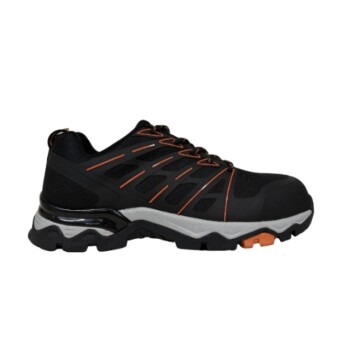
High-performance safety shoes serve as the primary physical barrier against the distinct hazards found at Intelligent Transportation System (ITS) construction sites. These specialized footwear solutions provide three layers of critical protection: impact-resistant toe caps to deflect falling heavy equipment, anti-puncture midsoles to shield against sharp ground debris, and slip-resistant outsoles to ensure stability on excavated or wet surfaces.
Core Insight: The effectiveness of safety footwear in ITS environments relies on a "system of systems" approach—integrating rigid crush protection with flexible puncture resistance and high-traction soles to mitigate the specific risks of heavy roadside installation and complex terrain.
The Three Pillars of Foot Protection
Impact Resistance for Heavy Loads
ITS construction involves handling dense materials, such as heavy mounting brackets, structural poles, and road materials. To counter the risk of these objects falling, high-performance shoes feature built-in protective toe caps.
These caps are typically constructed from hardened steel or advanced composite materials. Their primary function is to resist crushing forces, ensuring that a dropped bracket or tool does not result in a catastrophic foot injury.
Puncture Defense for Excavated Terrain
Construction sites for transportation systems are often littered with sharp hazards, including exposed rebar, nails, and metal scraps. Standard footwear offers little resistance to these dangers.
High-performance safety shoes utilize high-strength anti-puncture midsoles. This internal layer acts as a shield, preventing sharp objects from penetrating the sole and injuring the foot, which is essential when workers are navigating excavation zones or debris-filled areas.
Stability on Complex Surfaces
The ground conditions at ITS sites are rarely uniform; workers often transition between paved roads, wet mud, and loose excavated soil.
Slip-resistant outsoles are engineered to address this variability. By using specialized tread patterns and materials, these soles maximize traction on wet or uneven surfaces, significantly reducing the likelihood of slip-and-fall accidents during material handling or installation tasks.
Understanding the Trade-offs
While high-performance safety shoes offer robust protection, it is important to recognize the balance between safety and operational mobility.
Weight vs. Agility Shoes featuring steel toe caps and steel midsoles offer maximum penetration and crush resistance but can be significantly heavier. This added weight can lead to increased worker fatigue over long shifts, potentially impacting agility.
Rigidity vs. Comfort The reinforced nature of anti-puncture midsoles adds stiffness to the shoe. While this protects the foot from below, it may slightly reduce the natural flexibility of the foot, which can affect comfort when crouching or kneeling during intricate wiring or installation tasks.
Making the Right Choice for Your Goal
Selecting the correct safety footwear requires matching the specific feature set to the worker's primary daily tasks.
- If your primary focus is heavy installation: Prioritize boots with steel toe caps and steel midsoles to ensure maximum protection against falling brackets and crushing loads.
- If your primary focus is mobility and inspection: Opt for composite toe caps and non-metallic anti-puncture layers to reduce weight and fatigue while maintaining safety compliance.
The right safety shoe transforms from a simple uniform requirement into a vital asset that ensures operational continuity and worker well-being.
Summary Table:
| Feature | Material Options | Primary Benefit | Ideal Scenario |
|---|---|---|---|
| Toe Protection | Steel / Composite | Crushing & Impact Resistance | Handling heavy brackets & poles |
| Midsole Shield | Steel / High-strength Fabric | Puncture & Sharp Debris Defense | Navigating excavation & debris |
| Outsole Design | Specialized Rubber/Tread | Maximum Traction & Stability | Transitioning between wet & uneven soil |
| Construction | Heavy-duty / Lightweight | Fatigue Reduction vs. Durability | Long shifts vs. Extreme hazard zones |
Secure Your Workforce with Premium Protection from 3515
As a large-scale manufacturer serving distributors and brand owners worldwide, 3515 offers comprehensive production capabilities for all footwear types, anchored by our flagship Safety Shoes series. Whether your clients require heavy-duty steel protection for industrial installation or lightweight composite solutions for agile inspections, our extensive portfolio covers work and tactical boots, outdoor shoes, training shoes, and sneakers. We provide the manufacturing scale and technical expertise to meet your diverse bulk requirements and ensure worker well-being across any terrain.
Ready to elevate your product line with industry-leading safety footwear?
Contact us today to discuss your bulk manufacturing needs
References
- Erwin Febrian Nadeak Raja, Gerry Silaban. Analisis risiko kesehatan dan keselamatan kerja pada pekerjaan konstruksi pangadaan dan pemasangan intelligent transportation system Kota Medan. DOI: 10.32734/trophico.v3i2.13208
This article is also based on technical information from 3515 Knowledge Base .
Related Products
- Premium Suede Sport Safety Shoes for Wholesale & Bulk Orders
- Premium Lightweight Safety Shoes for Wholesale & Bulk Orders
- Wholesale Anti-Smash & Puncture-Proof Safety Shoes Custom Manufacturing for Brands
- Premium KPU Injection Athletic Style Safety Shoes
- Premium Safety Shoes with Rotating Buckle Safety Sneakers
People Also Ask
- What industries have specific OSHA footwear requirements? Ensure Compliance & Protect Your Workforce
- What are the primary functions of professional safety shoes? Maximize Safety in Water Supply Confined Spaces
- What role do specialized safety shoes play in preventing falls? Engineering Stability in Industrial Environments
- What are the technical advantages of integrating sensors into safety shoes? Achieve Superior Motion Capture Precision
- What happens during the cutting stage of safety shoes manufacturing? Precision, Process & Quality