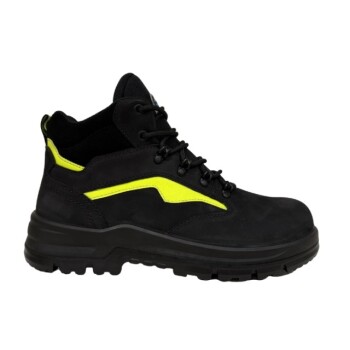
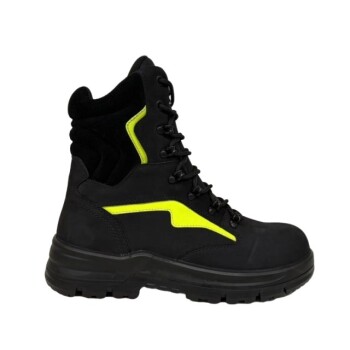
At their core, comfortable Western-style work boots are constructed from a strategic combination of materials. They rely on premium leather for the upper, advanced synthetics like polyurethane for the sole system, and protective materials like steel or composite fibers for the toe cap.
The comfort of a modern Western work boot comes not from a single material, but from a carefully engineered system. It's the synergy between the durable, form-fitting leather upper, the multi-layered shock-absorbing sole, and the protective internal components that delivers both safety and all-day wearability.
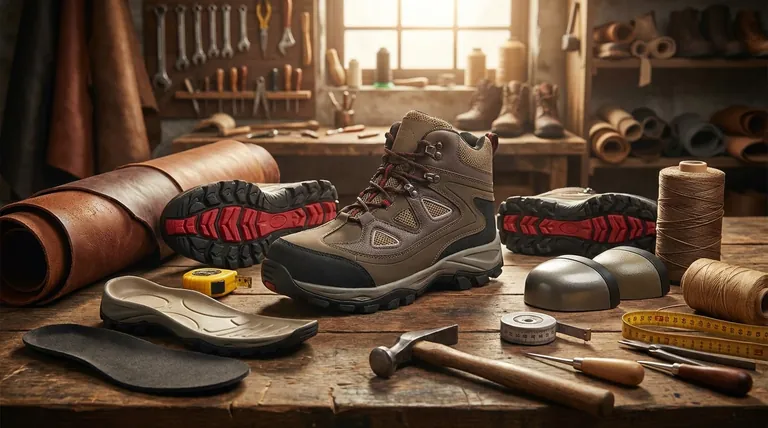
The Anatomy of a Comfortable Boot
A high-quality Western work boot is built in layers, with each material serving a distinct purpose related to durability, support, or direct contact with your foot.
The Upper: Balancing Durability and Fit
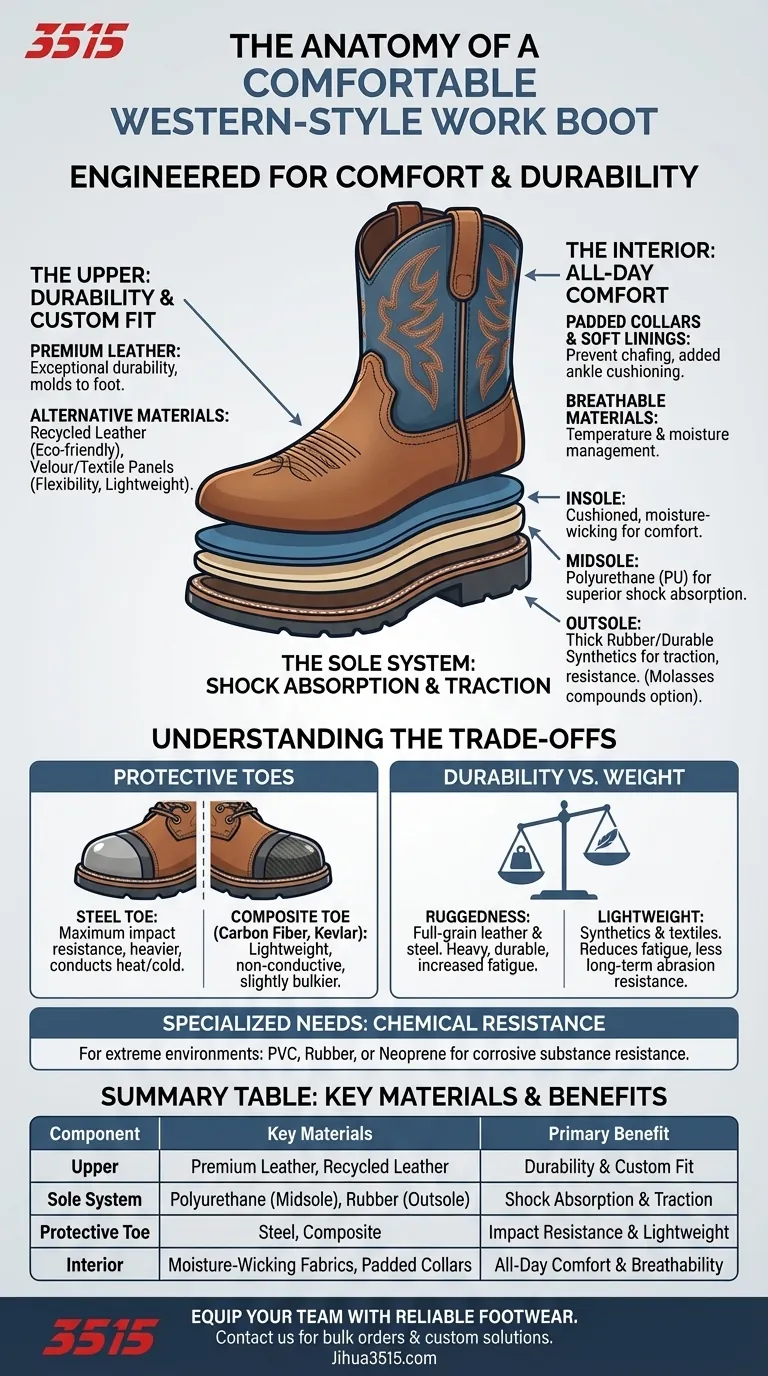
The upper is the main body of the boot and is most commonly made from premium leather. This material is chosen for its exceptional durability and its ability to mold to the wearer's foot over time, creating a personalized fit.
Some designs incorporate velour leather or textile panels to reduce weight and increase flexibility. Innovative, eco-friendly options are also emerging, such as recycled leather.
The Foundation: The Multi-Layered Sole System
The sole is not a single piece but a system designed to absorb impact and provide stable footing.
- Insole: This is the layer your foot rests on. It is typically made of cushioned materials designed for comfort and may include moisture-wicking properties to keep your feet dry.
- Midsole: Located between the insole and outsole, the midsole provides crucial shock absorption. Materials like polyurethane are common here, as they effectively dissipate the force from walking on hard surfaces.
- Outsole: This is the final layer that contacts the ground. It is usually made of thick rubber or durable synthetics to provide superior traction and resist abrasion. Some brands even use innovative compounds partially made from molasses for a more sustainable footprint.
The Interior: Prioritizing All-Day Wear
The inside of the boot is engineered for comfort during long hours of work. Padded collars and soft linings prevent chafing and add extra cushioning around the ankle. The use of breathable materials throughout the boot's construction is critical for managing temperature and moisture.
Understanding the Trade-offs
Choosing the right boot involves understanding the inherent trade-offs between different materials, particularly when it comes to protection and weight.
Protective Toes: Steel vs. Composite
The material used for the safety toe cap is one of the most significant decisions.
- Steel toes offer maximum impact resistance and are the traditional standard. However, they are heavy and can conduct heat and cold, which can be uncomfortable in extreme temperatures.
- Composite toes, made from materials like carbon fiber, dense plastic, or Kevlar, are significantly lighter. They do not conduct temperature, making them a better choice for varied climates, though they can sometimes be slightly bulkier than steel.
Durability vs. Weight
There is often a direct trade-off between ruggedness and weight. Thick, full-grain leather and steel components create an exceptionally durable boot but also increase its overall weight, which can lead to fatigue over a long day.
Conversely, boots that incorporate more lightweight synthetics and textiles will reduce fatigue but may not offer the same level of long-term resistance to heavy abrasion.
Specialized Needs: Chemical Resistance
For highly specialized jobs, such as those in chemical plants or refineries, standard leather is insufficient. These environments require boots made from PVC, rubber, or neoprene, materials chosen specifically for their ability to resist corrosive substances.
Making the Right Choice for Your Work
Your ideal boot depends entirely on the demands of your job and your personal comfort priorities.
- If your primary focus is maximum durability and impact protection: Look for boots with a premium full-grain leather upper and a steel toe, accepting that they will be heavier.
- If your primary focus is all-day comfort and reduced fatigue: Prioritize boots with a composite toe, a well-cushioned insole, and a shock-absorbing midsole.
- If your primary focus is working in extreme hot or cold conditions: A composite toe is essential to prevent temperature transfer, paired with a breathable, moisture-wicking lining.
- If your primary focus is environmental impact: Seek out brands that feature innovative materials like recycled leather or outsoles made with natural components.
By understanding how each material contributes to the overall system, you can select a boot that serves as a reliable and comfortable tool for your trade.
Summary Table:
| Material Component | Key Materials | Primary Benefit |
|---|---|---|
| Upper | Premium Leather, Recycled Leather | Durability & Custom Fit |
| Sole System | Polyurethane (Midsole), Rubber (Outsole) | Shock Absorption & Traction |
| Protective Toe | Steel, Composite (Carbon Fiber) | Impact Resistance & Lightweight |
| Interior | Moisture-Wicking Fabrics, Padded Collars | All-Day Comfort & Breathability |
Need Durable, Comfortable Western Work Boots for Your Team?
As a large-scale manufacturer, 3515 produces a comprehensive range of footwear for distributors, brand owners, and bulk clients. We expertly combine premium leathers, advanced synthetics, and protective components to create boots that meet the specific demands of your workforce—whether you prioritize maximum durability, all-day comfort, or specialized safety features.
Let us help you equip your team with reliable footwear. Contact us today to discuss your requirements and explore our production capabilities for all types of shoes and boots.
Visual Guide
Related Products
- Durable Goodyear Welt Leather Work Boots for Wholesale & Private Label
- Durable Leather Work Boots for Wholesale & Custom Manufacturing
- Durable Leather Work Boots for Wholesale & Custom OEM Manufacturing
- Durable Moc-Toe Wedge Work Boots | Wholesale Manufacturing for Brands
- Wholesale Leather Work Boots with Customizable Wedge Sole for Brands
People Also Ask
- What is the difference between full-grain and top-grain leather? Premium Material Guide for Boot Manufacturers
- What are the advantages of leather as an upper material for work boots? Unmatched Durability & Custom Comfort
- Why is it important to waterproof leather work boots? Protect Your Investment and Performance
- How should new leather work boots be broken in? A Guide to Comfort and Durability
- What are the advantages of leather uppers in work boots? Unmatched Durability & Protection