Choosing the right material for a shoe depends entirely on its intended function. For formal and business casual settings, breathable leather and suede are the standards, while athletic shoes designed for running or walking rely on lightweight, breathable materials like knit polyester and nylon mesh for optimal comfort and performance.
The core principle is simple: a shoe's material must align with its purpose. This is a constant balancing act between formality, performance-driven features like breathability, and long-term durability.
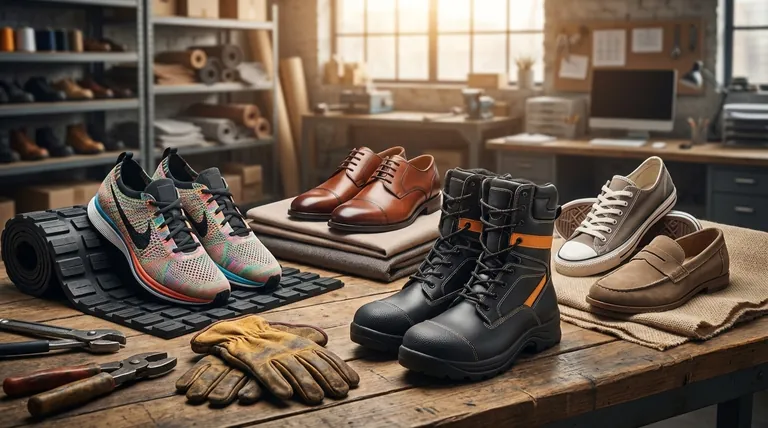
The Formality Spectrum: From Dress to Casual
The appropriate material is often dictated by the environment where the shoe will be worn. Formality demands structure and polish, while casual use prioritizes comfort and style.
Formal & Business Wear
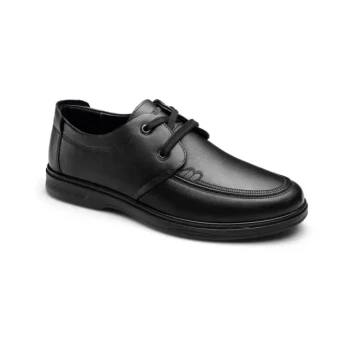
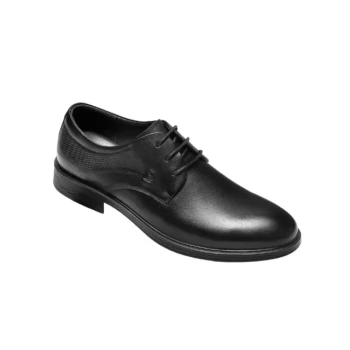
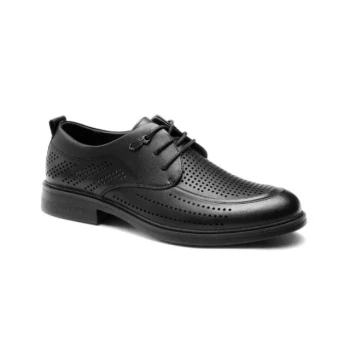
Formal shoes are traditionally made from leather or a high-quality faux/vegan leather that mimics its appearance. Its structure, durability, and ability to hold a shine make it the definitive choice for professional settings.
For business casual environments, suede is also a popular option. While technically a type of leather, its soft, napped finish gives it a slightly less formal but equally refined look.
Everyday Casual Wear
Casual shoes offer the widest range of materials. Fabrics like canvas, textile, cloth, and linen are common choices, offering a comfortable, lightweight, and stylish alternative to leather.
These materials provide an excellent balance of comfort and everyday durability, making them suitable for a wide variety of casual shoe designs.
The Performance Spectrum: From Athletics to Tactical Use
When a shoe is a piece of equipment, its materials are selected for specific functional properties like breathability, durability, and protection.
Running & Walking Shoes
The primary goal for athletic footwear is managing heat and moisture. Breathable mesh, knit fabrics, and synthetics like polyester are ideal for this purpose.
These materials allow air to circulate freely, keeping the feet cool and reducing discomfort during physical activity.
Tactical & Work Footwear
For tactical or demanding work environments, durability is paramount. Rugged leather is often used for its resistance to abrasion and wear.
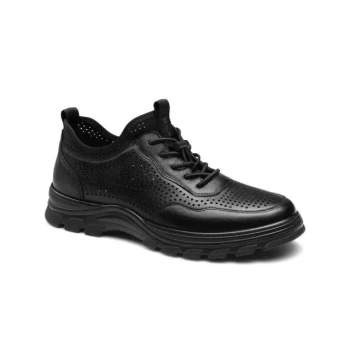
However, modern designs frequently incorporate synthetic materials and mesh panels. This hybrid approach provides the durability of leather while adding the lightweight and breathable benefits of synthetics.
The Foundation: Outsole Materials
The outsole, the part of the shoe that contacts the ground, is critical for durability and safety. Materials like rubber, polyurethane, and EVA are common.
Rubber is especially widespread due to its excellent resistance to wear, heat, and various chemicals, making it a reliable choice for many working conditions.
Understanding the Trade-offs
No single material is perfect for every situation. Understanding the inherent compromises is key to making an informed decision.
Leather: Durability vs. Breathability
Leather offers unparalleled durability and a formal aesthetic, but it is often heavier and less breathable than modern synthetic alternatives.
Synthetics: Lightweight vs. Appearance
Knit polyester and nylon mesh provide exceptional breathability and are extremely lightweight. However, they lack the formal structure of leather and may not offer the same long-term resilience against heavy abrasion.
Canvas & Textiles: Comfort vs. Protection
Canvas and other textiles are highly comfortable and casual. Their significant drawback is a lack of weather resistance, offering little protection from rain or cold compared to leather or treated synthetics.
How to Apply This to Your Goal
Your primary activity should guide your material choice.
- If your primary focus is professional or formal settings: Opt for genuine or high-quality vegan leather for its unmatched structure and polish.
- If your primary focus is athletic performance: Prioritize breathable synthetics like knit polyester or nylon mesh to ensure comfort and manage heat.
- If your primary focus is daily casual comfort: Choose from versatile materials like canvas, suede, or soft textiles that balance style and ease of wear.
- If your primary focus is durability and protection: Look for rugged leather or a hybrid construction that blends leather with tough synthetic panels.
Ultimately, selecting the right shoe material is about matching the tool to the task.
Summary Table:
| Shoe Type | Recommended Materials | Key Characteristics |
|---|---|---|
| Formal & Business | Leather, Vegan Leather | Structure, durability, polished look |
| Athletic (Running/Walking) | Knit Polyester, Nylon Mesh | Lightweight, breathable, moisture-wicking |
| Casual Everyday | Canvas, Suede, Textiles | Comfortable, stylish, versatile |
| Tactical & Work | Rugged Leather, Hybrid Synthetics | Abrasion resistance, durability, protection |
Need the perfect shoe for your market?
As a large-scale manufacturer, 3515 produces a comprehensive range of footwear for distributors, brand owners, and bulk clients. Our production capabilities encompass all types of shoes and boots, ensuring the right material and construction for every need—from high-performance athletic wear to durable work boots and stylish formal designs.
Contact our experts today to discuss your specific requirements and discover how we can deliver quality, consistency, and value for your business.
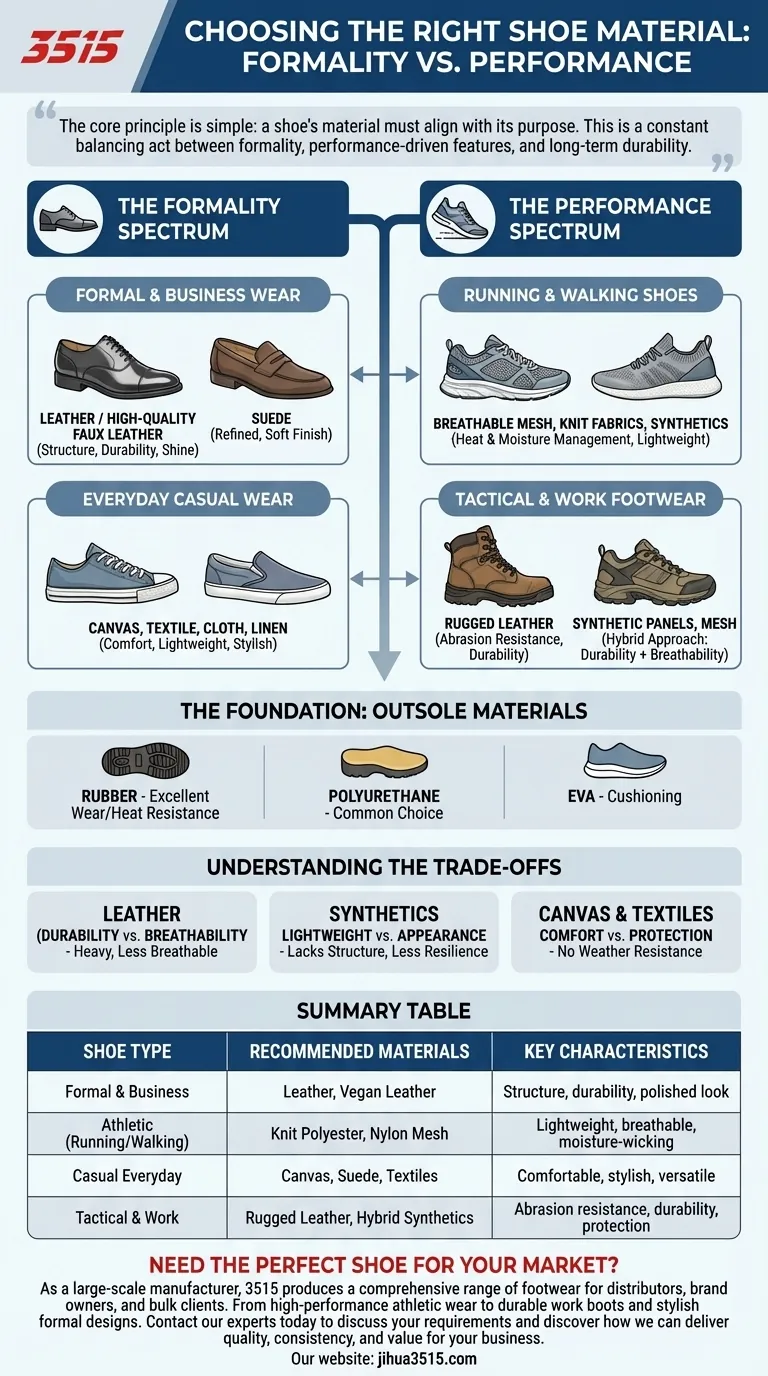
Visual Guide
Related Products
- Custom Manufactured Air Cushion Leather Business Shoes for Wholesale
- Wholesale Leather Derby Shoes Manufacturer | Customizable Business & Dress Footwear
- Classic Leather Derby Dress Shoes Wholesale & Custom Manufacturing
- Durable Rubber Sole Outdoor Shoes Wholesale & Custom Manufacturing
- Advanced KPU Athletic Safety Shoe with Steel Toe Cap Anti-Slip Rotary Lacing System
People Also Ask
- What kind of shoes do businessmen wear? Master the Dress Code for Professional Success
- What are the essential business shoes every man should own? Build a Professional Wardrobe Foundation
- What are the benefits of lubricating work shoes? Protect Your Investment & Extend Lifespan
- What type of boots are suitable for challenging weather conditions in a business setting? | Durable & Professional Footwear
- When is saddle soap recommended for cleaning leather shoes? A Guide to Deep Restoration