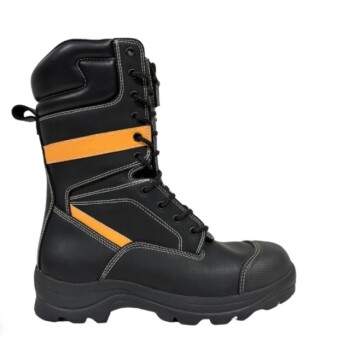
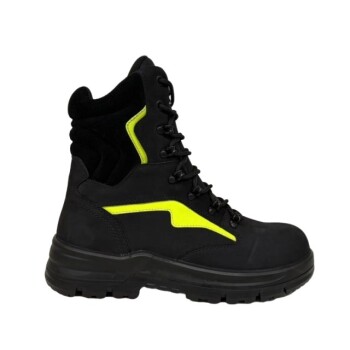
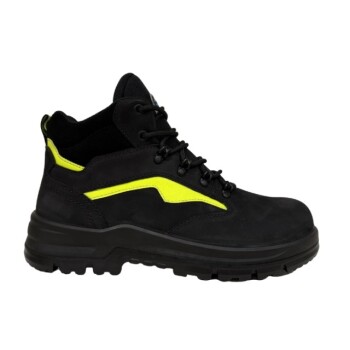
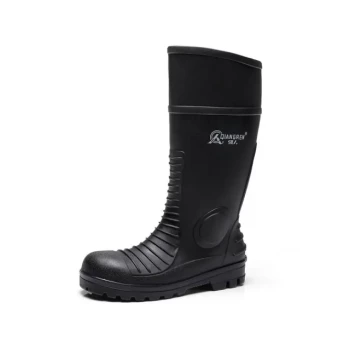
Ultimately, the versatility of waterproof walking footwear stems from its ability to provide reliable protection against moisture in a wide range of weather conditions and environments. This makes a single pair of shoes suitable for everything from a muddy winter trail to an unexpected summer rainstorm, ensuring your feet remain dry and comfortable year-round.
The true value of waterproof footwear is the freedom it offers. It allows you to focus on your activity, not the weather forecast, but this versatility is dependent on understanding its inherent trade-offs and committing to proper maintenance.
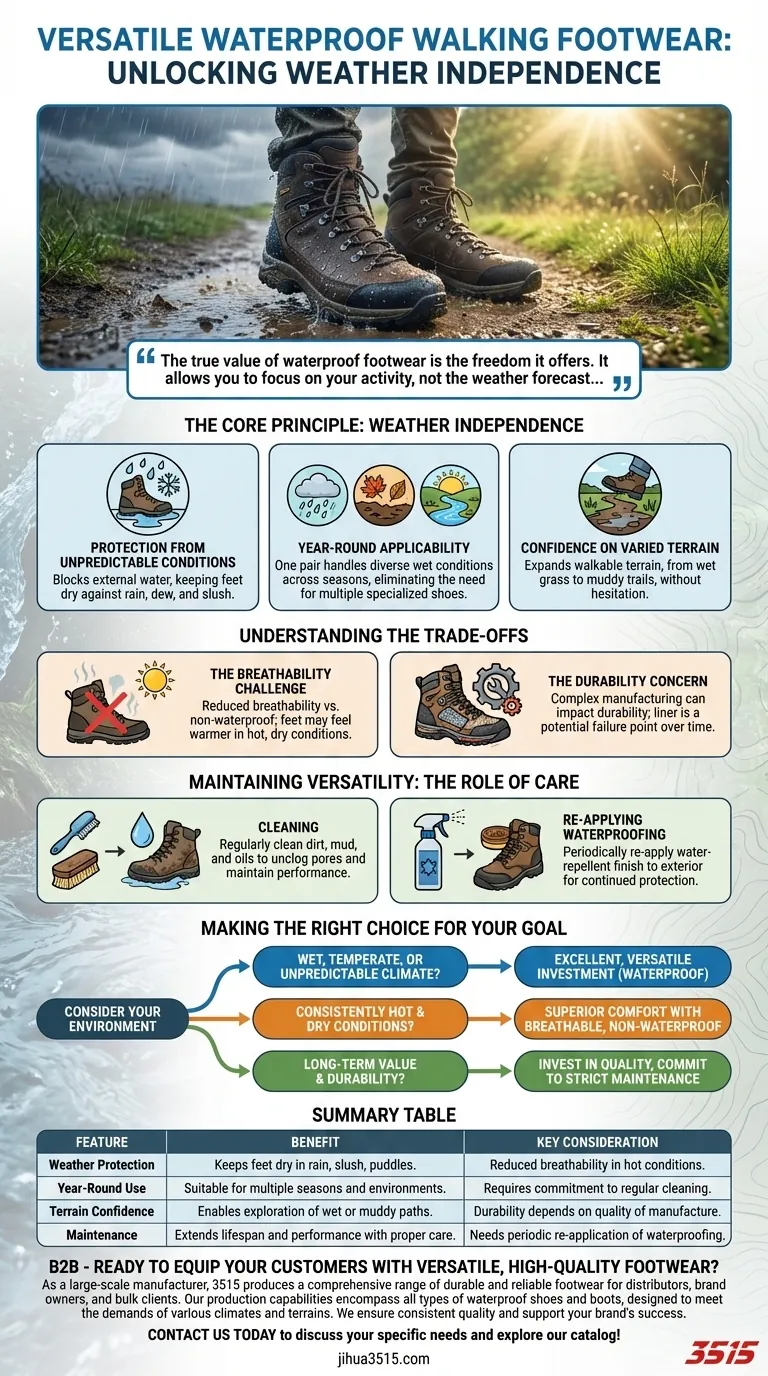
The Core Principle of Versatility: Weather Independence
The primary job of waterproof footwear is to create a barrier between your feet and the elements. This single function is what unlocks its use across multiple seasons and scenarios.
Protection from Unpredictable Conditions
Waterproof membranes are designed to block external water from entering your shoe. This is invaluable when you encounter rain, puddles, morning dew, or slush. Keeping your feet dry is the first line of defense against blisters and discomfort on the trail.
Year-Round Applicability
This weather resistance makes the footwear adaptable. The same pair of boots that keeps you dry during a spring shower can also handle a slushy autumn path or a shallow stream crossing in the summer. This eliminates the need for multiple pairs of specialized shoes for different wet conditions.
Confidence on Varied Terrain
Knowing your feet will stay dry gives you the confidence to tackle more challenging terrain. You won't hesitate to walk through wet grass or muddy patches, expanding the range of trails and paths you can comfortably explore.
Understanding the Trade-offs
While highly versatile, waterproof technology is not without its compromises. Acknowledging these limitations is key to making an informed decision.
The Breathability Challenge
The primary trade-off for blocking water out is a reduction in breathability. While modern waterproof membranes are designed to allow sweat vapor to escape, they are inherently less breathable than non-waterproof materials. In hot, dry conditions, your feet are more likely to feel warm and sweaty.
The Durability Concern
High-quality waterproof footwear is a complex product to manufacture. Due to rising production costs and a decline in skilled craftsmanship, finding durable and repairable options can be challenging. The waterproof liner itself can become a point of failure over time.
Maintaining Versatility: The Role of Care
Your footwear's versatility is only as good as its condition. The waterproof features require regular maintenance to function correctly. Neglecting care will quickly diminish its performance.
The Importance of Cleaning
Dirt, mud, and oils can clog the pores of a waterproof membrane and wear away the shoe's exterior water-repellent coating. Regular cleaning with a stiff brush and water is essential to maintain both waterproofing and breathability.
Re-applying Waterproofing
The factory-applied water-repellent finish on the outside of your shoes will wear off over time. You must re-apply it periodically. For leather, gently warm the material and apply a sealant. For fabric footwear, a waterproof spray is the appropriate choice.
Making the Right Choice for Your Goal
To decide if waterproof footwear is right for you, consider your most common walking environment.
- If your primary focus is walking in a wet, temperate, or unpredictable climate: Waterproof footwear is an excellent and highly versatile investment.
- If your primary focus is walking in consistently hot and dry conditions: A more breathable, non-waterproof shoe will likely provide superior comfort.
- If your primary focus is long-term value: Invest in a well-regarded brand and commit to a strict cleaning and re-waterproofing maintenance schedule.
Choosing the right footwear is about matching the technology to your environment and your commitment to care.
Summary Table:
| Feature | Benefit | Key Consideration |
|---|---|---|
| Weather Protection | Keeps feet dry in rain, slush, and puddles. | Reduced breathability in hot conditions. |
| Year-Round Use | Suitable for multiple seasons and environments. | Requires commitment to regular cleaning. |
| Terrain Confidence | Enables exploration of wet or muddy paths. | Durability depends on quality of manufacture. |
| Maintenance | Extends lifespan and performance with proper care. | Needs periodic re-application of waterproofing. |
Ready to equip your customers with versatile, high-quality waterproof footwear?
As a large-scale manufacturer, 3515 produces a comprehensive range of durable and reliable footwear for distributors, brand owners, and bulk clients. Our production capabilities encompass all types of waterproof shoes and boots, designed to meet the demands of various climates and terrains. We ensure consistent quality and support your brand's success.
Contact us today to discuss your specific needs and explore our catalog!
Visual Guide
Related Products
- Premium Flame-Retardant Waterproof Safety Boots and Shoes
- Premium Waterproof Nubuck Safety Boots for Wholesale
- Durable Waterproof Rain Boots | Custom Manufacturer for Wholesale & Brands
- Premium Wholesale Waterproof Safety Boots High Performance Protection for Industrial Markets
- Heavy-Duty Waterproof Nubuck Safety Boots Safety Shoes for Bulk Supply
People Also Ask
- Why are waterproof safety boots recommended for certain work environments? Essential Protection for Wet & Hazardous Jobs
- What materials are commonly used in waterproof boots? The Complete Guide to Durable, Breathable Protection
- How does boot construction affect waterproofing? The Science Behind Truly Dry Feet
- What should you look for to ensure boots are fully waterproof? The Essential 2-Part System
- What is the advantage of one-piece construction in waterproof boots? Unbeatable Seamless Protection