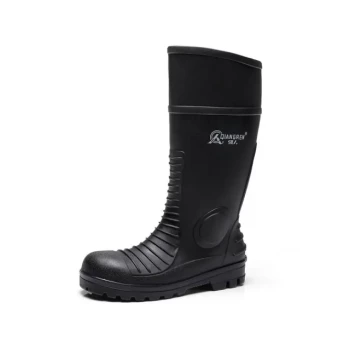
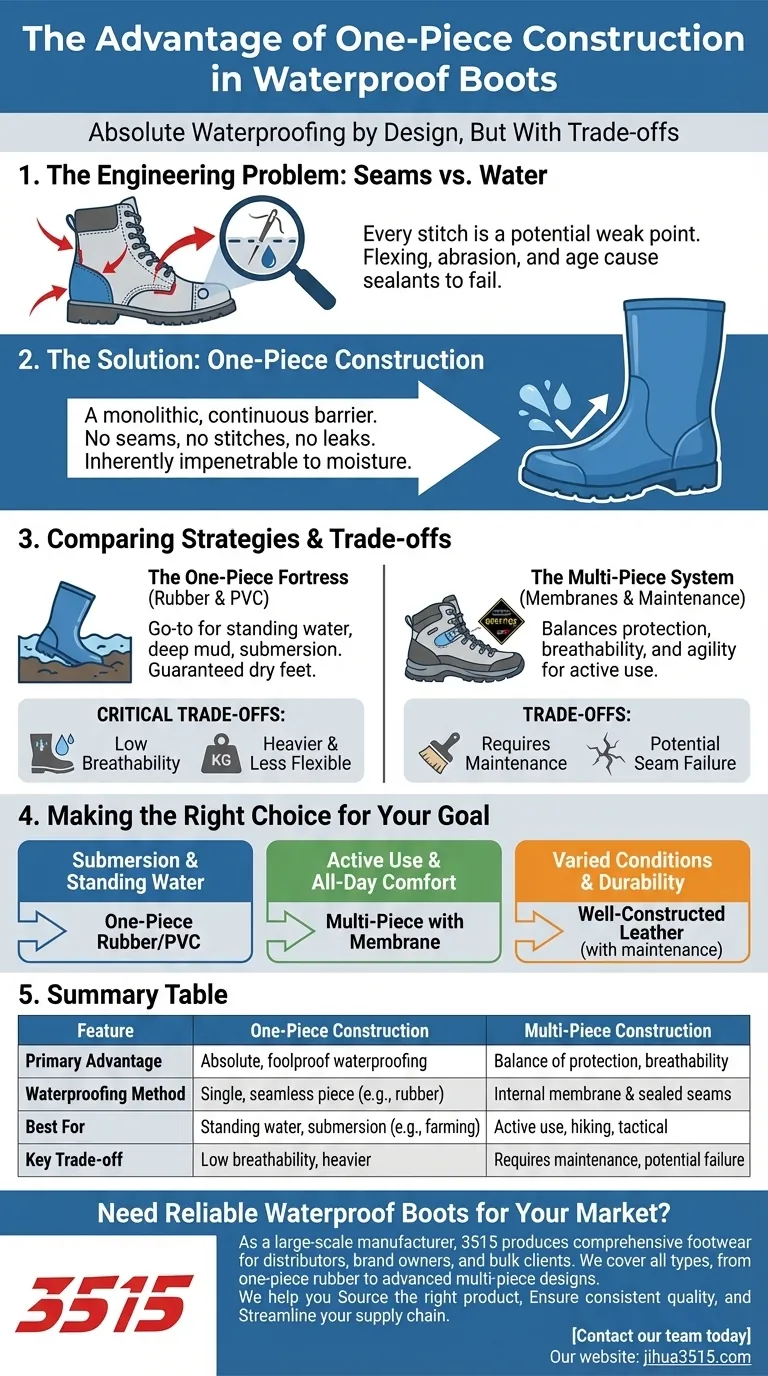
The primary advantage of one-piece construction in waterproof boots is the complete elimination of seams. Seams are the most common failure point for water entry, and by creating the boot from a single, continuous piece of material like rubber or PVC, you create an inherently impenetrable barrier against moisture.
One-piece construction delivers absolute, foolproof waterproofing by removing the structural weak points found in stitched boots. However, this singular focus on being watertight introduces critical trade-offs in breathability and versatility.
The Engineering Problem: Seams vs. Water
To understand the benefit of a one-piece design, you must first recognize the fundamental vulnerability of any boot built from multiple pieces.
Why Stitched Seams Are a Weakness
Every stitch in a traditional boot creates a tiny hole in the material. While manufacturers use sealants and waterproof membranes to block these holes, they remain potential points of failure over time.
Flexing, abrasion, and age can cause seam tape to delaminate or sealants to crack, allowing water to seep in.
How One-Piece Construction Provides a Solution
A one-piece boot is molded from a single, continuous piece of non-porous material, most commonly rubber or PVC.
This monolithic design has no stitches, no glue lines, and no seams to fail. The boot is essentially a single, unified barrier, making it completely watertight by its very nature, not just through added treatments.
Comparing Waterproofing Strategies
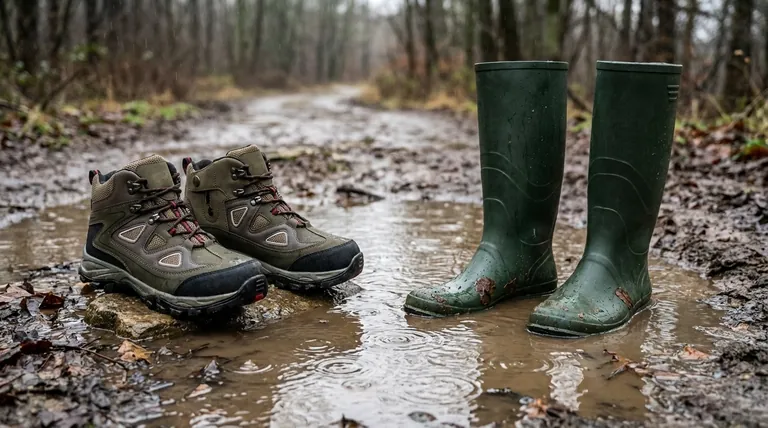
Different environments demand different types of protection. One-piece construction is one end of the spectrum, optimized for total water immersion.
The One-Piece Fortress: Rubber & PVC
These boots are the go-to choice for environments like farms, commercial fishing boats, or any situation involving standing water or deep mud.
Their purpose is simple: keep feet completely dry, even when submerged. Protection is guaranteed by the design itself.
The Multi-Piece System: Membranes & Maintenance
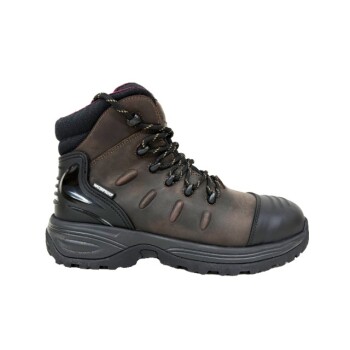
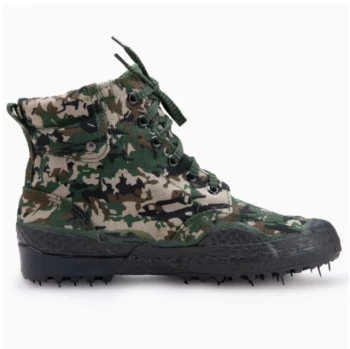
Most hiking and tactical boots are built from multiple pieces of leather or synthetic fabric stitched together. Their waterproofing relies on an internal waterproof, breathable membrane (like Gore-Tex).
This system works well but depends on the integrity of the membrane and the seam seals. It also requires regular maintenance, especially with leather, to keep the outer materials from getting saturated and to extend the boot's functional lifespan.
Understanding the Trade-offs
Choosing one-piece construction is a deliberate engineering decision that prioritizes absolute water protection over other comfort features.
The Critical Issue of Breathability
The very quality that makes a one-piece boot perfectly waterproof also makes it non-breathable. Water vapor (sweat) cannot escape.
In warmer conditions or during strenuous activity, this can lead to overheating and moisture buildup inside the boot, making your feet feel wet even though no external water has entered.
Weight and Flexibility
Molded rubber or PVC boots are often heavier and less flexible than their multi-piece counterparts. This can lead to fatigue over long distances or during dynamic activity.
Modern tactical and hiking boots are designed for athletic performance, balancing protection with agility in a way that most one-piece boots cannot.
Making the Right Choice for Your Goal
The best waterproof boot is the one that matches the specific demands of your environment and activity level.
- If your primary focus is absolute waterproofing for submersion or standing water: A one-piece rubber or PVC boot is the only truly reliable choice.
- If your primary focus is balancing water protection with all-day comfort for active use: A multi-piece boot with a quality waterproof membrane is the superior option.
- If your primary focus is durability in varied conditions with a willingness to perform maintenance: A well-constructed leather boot offers a classic and effective solution.
Choosing the right boot begins with understanding that every waterproofing method is a deliberate compromise between protection and performance.
Summary Table:
| Feature | One-Piece Construction | Multi-Piece Construction |
|---|---|---|
| Primary Advantage | Absolute, foolproof waterproofing | Balance of protection, breathability, and agility |
| Waterproofing Method | Single, seamless piece of material (e.g., rubber, PVC) | Internal membrane (e.g., Gore-Tex) and sealed seams |
| Best For | Standing water, deep mud, submersion (farming, fishing) | Active use, hiking, tactical applications |
| Key Trade-off | Low breathability, heavier, less flexible | Requires maintenance, potential for seam failure over time |
Need Reliable Waterproof Boots for Your Market?
As a large-scale manufacturer, 3515 produces a comprehensive range of footwear for distributors, brand owners, and bulk clients. Whether your customers require the absolute waterproofing of one-piece rubber boots or the balanced performance of advanced multi-piece designs, our production capabilities encompass all types of shoes and boots.
We help you:
- Source the right product for your target market and application.
- Ensure consistent quality and durability with our large-scale manufacturing expertise.
- Streamline your supply chain with reliable, high-volume production.
Let's discuss your specific needs. Contact our team today to explore partnership opportunities and get a quote.
Visual Guide
Related Products
- Premium Wholesale Waterproof Safety Boots High Performance Protection for Industrial Markets
- High Performance Fire-Retardant Waterproof Safety Boots
- Wholesale Premium Waterproof Nubuck Safety Shoes Boots
- Premium Flame-Retardant Waterproof Safety Boots and Shoes
- Durable Waterproof Rain Boots | Custom Manufacturer for Wholesale & Brands
People Also Ask
- What weather and chemical protections do premium boots offer? Your Complete Guide to Safety & Performance
- Why are waterproof safety boots recommended for certain work environments? Essential Protection for Wet & Hazardous Jobs
- What are the primary protective functions of industrial safety boots in oil palm plantations? Master Rough Terrain Safety
- Why are oil-resistant and anti-slip properties critical for industrial safety boots? Expert Outsole Engineering Guide
- What are the best types of shoes for different gardening conditions? Find Your Perfect Match.