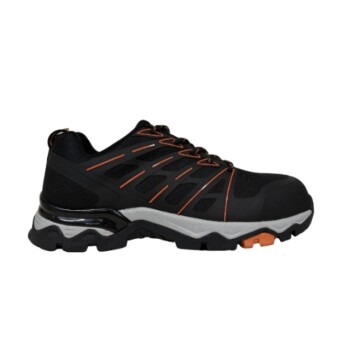
The integration of recyclable and biodegradable materials is a fundamental pillar of modern eco-design for safety footwear. It serves as a comprehensive strategy that significantly lowers the environmental footprint across the product's entire life cycle while simultaneously aligning with rigorous environmental regulations and shifting consumer expectations.
By prioritizing sustainable materials, manufacturers do more than just reduce waste; they future-proof their operations against strict regulations and enhance their brand's "green value" in a competitive global market.
Reducing the Environmental Burden
Lifecycle Management
The impact of a safety shoe extends far beyond its manufacturing date. Eco-design focuses on the entire life cycle of the product.
By incorporating recyclable fibers, manufacturers ensure that materials can be recovered and repurposed rather than discarded. This circular approach minimizes resource depletion at the start of the production chain.
Mitigating Landfill Impact
Traditional safety footwear often contributes to long-term waste accumulation.
Using biodegradable materials directly addresses the long-term environmental burden of shoes ending up in landfills. These materials are designed to break down more effectively, preventing the accumulation of persistent synthetic waste.
Strategic Business Advantages
Regulatory Compliance
Environmental standards are becoming increasingly stringent worldwide.
Adopting these materials is not merely a trend; it is a method of satisfying strict environmental regulations. Proactive compliance helps manufacturers avoid penalties and ensures market access in regions with high sustainability standards.
Consumer Perception and Green Value
Modern buyers are increasingly driven by sustainability.
Utilizing eco-friendly materials enhances the perceived green value of the product. This creates a tangible differentiator that appeals to environmentally conscious consumers and corporate procurement teams with sustainability mandates.
Securing a Competitive Edge
The global market is undergoing a decisive shift toward sustainability.
Brands that integrate these materials are better positioned to maintain a competitive edge. Failing to adapt to these material innovations risks obsolescence as the industry standard moves toward greener solutions.
Understanding the Trade-offs
Durability vs. Degradability
The primary function of a safety shoe is protection. There is an inherent engineering challenge in balancing biodegradability with durability.
Materials must be robust enough to withstand harsh industrial environments without degrading prematurely, yet still break down effectively at the end of their life.
Sourcing and Integration
Shifting from traditional synthetics to specialized recyclable fibers requires supply chain adjustments.
Manufacturers must ensure that the performance characteristics of these new materials match or exceed the safety certifications (such as impact resistance or waterproofing) required for protective footwear.
Making the Right Choice for Your Brand
To effectively implement eco-design in safety footwear, consider your primary organizational drivers:
- If your primary focus is Regulatory Compliance: Prioritize materials that meet specific regional environmental standards to ensure uninterrupted market access.
- If your primary focus is Brand Differentiation: Highlight the use of biodegradable elements in your marketing to boost the product's "green value" and appeal to eco-conscious buyers.
- If your primary focus is Long-Term Sustainability: Focus on recyclable fibers that support a circular economy, significantly reducing the landfill burden of your products.
Embracing these materials is the definitive step toward reconciling industrial safety with environmental responsibility.
Summary Table:
| Key Aspect | Benefit of Eco-Design | Impact on Footwear Industry |
|---|---|---|
| Material Type | Recyclable Fibers & Biodegradables | Reduces resource depletion and long-term waste. |
| Waste Management | Circular Lifecycle | Minimizes landfill burden at product end-of-life. |
| Market Position | Enhanced Green Value | Appeals to eco-conscious buyers and corporate ESG needs. |
| Compliance | Regulatory Alignment | Ensures market access and avoids environmental penalties. |
| Durability | Engineered Performance | Balances industrial protection with environmental breakdown. |
Partner with 3515 for Sustainable Safety Solutions
As a premier large-scale manufacturer serving global distributors and brand owners, 3515 is dedicated to bridging the gap between high-performance protection and environmental responsibility. Our comprehensive production capabilities allow us to integrate advanced eco-design principles across our entire portfolio, ensuring your brand stays ahead of strict environmental regulations without compromising durability.
From our flagship Safety Shoes and tactical boots to our outdoor, training, and formal footwear series, we provide the bulk manufacturing expertise you need to scale your sustainable initiatives. Contact us today to explore our eco-friendly manufacturing options and see how our footwear solutions can add tangible 'green value' to your business.
References
- Tyrone T. Lin, Shu-Yen Hsu. Analysis of the Effects of Perceived Value, Price Sensitivity, Word-of-Mouth, and Customer Satisfaction on Repurchase Intentions of Safety Shoes under the Consideration of Sustainability. DOI: 10.3390/su142416546
This article is also based on technical information from 3515 Knowledge Base .
Related Products
- Premium Suede Sport Safety Shoes for Wholesale & Bulk Orders
- Premium Lightweight Safety Shoes for Wholesale & Bulk Orders
- Wholesale Anti-Smash & Puncture-Proof Safety Shoes Custom Manufacturing for Brands
- Premium KPU Injection Athletic Style Safety Shoes
- Premium Safety Shoes with Rotating Buckle Safety Sneakers
People Also Ask
- What industries have specific OSHA footwear requirements? Ensure Compliance & Protect Your Workforce
- What are the primary functions of professional safety shoes? Maximize Safety in Water Supply Confined Spaces
- What role do specialized safety shoes play in preventing falls? Engineering Stability in Industrial Environments
- Why should ergonomics and comfort be prioritized when selecting safety shoes? Boost Compliance & Worker Health
- Why wear protective masks, gloves, and safety shoes in 5S Shine? Elevate Safety and Discipline