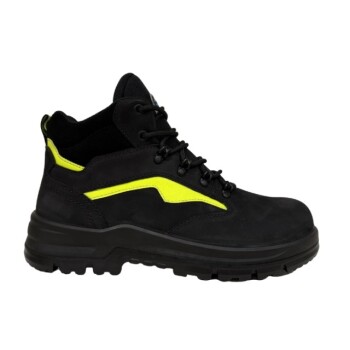
The significance of peer-to-peer (P2P) platforms lies in their ability to act as digital aggregators. These platforms extend the lifecycle of footwear—specifically durable goods like work boots and training shoes—by utilizing technology to organize fragmented secondhand resources and match them with buyers across geographical boundaries. By reducing the effort and cost required to transact, these platforms facilitate a critical shift from a linear "dispose" model to a circular economy.
By significantly lowering transaction costs and improving search efficiency, P2P platforms increase the circulation frequency of footwear, ensuring durable products remain in use rather than becoming waste.
The Mechanism of Lifecycle Extension
Aggregating Fragmented Resources
The secondhand market is naturally disorganized. Used work boots or training shoes are typically scattered among individual owners rather than centralized in warehouses.
P2P platforms solve this by using digital technology to aggregate these resources. They create a virtual inventory that brings together thousands of isolated sellers, making a fragmented supply visible and accessible to the market.
Overcoming Geographical Barriers
Without digital platforms, the exchange of used footwear is limited to local interactions.
P2P infrastructure allows for efficient matching across geographical boundaries. A buyer looking for a specific model of training shoe is no longer limited to their immediate vicinity, but can access inventory from a much wider region, ensuring the product finds a second home regardless of location.
Economic and Structural Impact
Reducing Transaction Costs
In a traditional linear model, the "cost" (time, effort, and money) of selling a used pair of boots often outweighs the return.
P2P platforms are significant because they reduce these transaction costs. By streamlining the listing and selling process, they lower the barrier to entry, making it economically viable for individuals to recirculate goods rather than discard them.
Increasing Circulation Frequency
The ultimate goal of a circular economy is to keep materials in use for as long as possible.
By improving search efficiency—helping the right buyer find the right size and style quickly—these platforms increase the circulation frequency of products. This is particularly vital for durable footwear like work boots, which physically outlast their initial owner's need for them.
Understanding the Trade-offs
Reliance on Digital Literacy
While these platforms democratize access to the resale market, they require users to be comfortable with digital interfaces.
The efficiency of the system depends entirely on the user's ability to accurately describe and list the condition of technical footwear. Poor data input leads to matching inefficiencies, undermining the platform's core value proposition.
Logistics vs. Sustainability
While extending the lifecycle of a shoe is positive, cross-geographical matching introduces shipping logistics.
Moving a single pair of heavy work boots across long distances generates its own environmental footprint. The benefit of lifecycle extension must be weighed against the energy required to transport individual items in a decentralized network.
Making the Right Choice for Your Goal
When engaging with P2P platforms to support the circular economy, consider your specific role in the ecosystem:
- If your primary focus is selling: Prioritize durable goods like work boots, as their longevity justifies the transaction effort and appeals to buyers looking for utility.
- If your primary focus is buying: Utilize the platform’s search filters to exploit the aggregated inventory, allowing you to find high-quality training shoes that would be unavailable locally.
Ultimately, P2P platforms are not just marketplaces; they are the essential infrastructure required to close the loop on product consumption.
Summary Table:
| Key Feature | Functional Impact | Strategic Benefit |
|---|---|---|
| Digital Aggregation | Collects fragmented secondhand resources | Creates a vast, accessible virtual inventory |
| Geographic Matching | Overcomes local supply limitations | Connects specific shoes with the right buyers globally |
| Cost Reduction | Lowers time and effort to list/sell | Makes footwear recirculation economically viable |
| Search Efficiency | Matches buyers with specific sizes/styles | Increases circulation frequency of durable goods |
Partner with 3515 to Scale Your Sustainable Footwear Brand
As a large-scale manufacturer serving global distributors and brand owners, 3515 provides the high-durability foundation necessary for a successful circular economy. Our footwear is engineered to last, ensuring that products like our flagship Safety Shoes, tactical boots, and training sneakers maintain their value through multiple lifecycles on P2P platforms.
Why Choose 3515?
- Comprehensive Production: From rugged work boots to formal dress shoes.
- Built for Longevity: Superior materials that survive rigorous secondary market circulation.
- Bulk Scale Expertise: Supporting brand owners in meeting diverse market requirements.
Ready to elevate your product line with footwear that outlasts the competition? Contact us today to discuss your manufacturing needs!
References
- Jaroslav Mazanec, Veronika Harantová. Gen Z and Their Sustainable Shopping Behavior in the Second-Hand Clothing Segment: Case Study of the Slovak Republic. DOI: 10.3390/su16083129
This article is also based on technical information from 3515 Knowledge Base .
Related Products
- Durable Leather Work Boots for Wholesale & Custom Manufacturing
- Durable Leather Work Boots for Wholesale & Custom OEM Manufacturing
- Durable Leather Work Boots Wholesale Manufacturer & Custom Factory
- Durable Leather Moc Toe Work Boots for Wholesale & Custom Manufacturing
- Wholesale Leather Work Boots with Customizable Wedge Sole for Brands
People Also Ask
- What is the difference between full-grain and top-grain leather? Premium Material Guide for Boot Manufacturers
- What are the common workplace hazards that can be mitigated with the right work boots? Protect Your Workforce
- What are the common foot issues workers face due to uncomfortable work boots? Prevent Pain & Deformities
- What are the advantages of leather versus synthetic work boots? A Guide to Choosing the Right Material
- What are the key components of modern work boots? Engineered for Ultimate Durability and Comfort