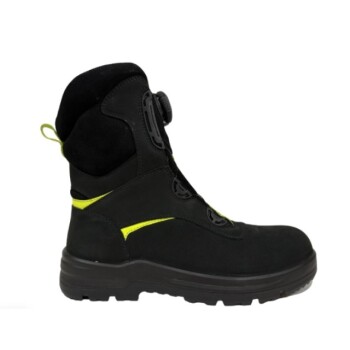
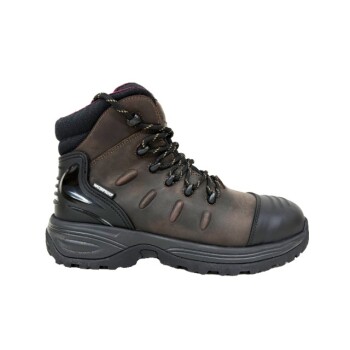
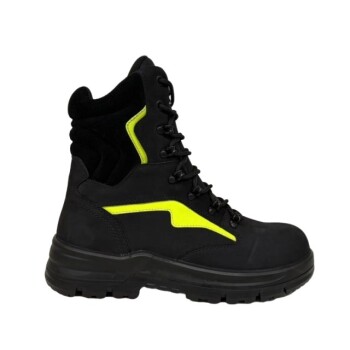
Professional safety boots in rubber harvesting serve as a critical barrier between the worker and the hazardous plantation environment. Their primary function is to prevent specific physical injuries, such as puncture wounds and slips, while simultaneously acting as a foundational element of Occupational Health and Safety (OHS) management to maintain consistent operational productivity.
Core Takeaway Rubber harvesting occurs in complex environments where foot injury risks are high; safety boots are not merely clothing but essential safety equipment. By mitigating puncture and slip hazards, they prevent occupational diseases and ensure the workforce remains active and productive.
Mitigating Physical Hazards in Plantations
Protection Against Puncture Wounds
The terrain in rubber plantations is rarely pristine. Workers face a constant threat from sharp objects, thorns, and underbrush.
Professional safety boots provide a reinforced shield against these puncture hazards, preventing penetrating injuries that can lead to infection or long-term disability.
Managing Slip Hazards
Rubber harvesting often takes place in damp or uneven conditions. The ground can be slippery due to mud, wet leaves, or the plantation topography itself.
To combat this, professional boots feature specialized outsoles. While similar to logging boots which utilize deep-tread, slip-resistant outsoles, the goal in rubber harvesting is to provide superior traction on wet, uneven forest terrain to prevent falls and ankle injuries.
The Operational Impact
A Component of OHS Management
Safety footwear is not an isolated purchase; it is a critical component of a broader Occupational Health and Safety (OHS) management system.
Integrating proper footwear into safety protocols helps standardize protection levels across the workforce, reducing liability and demonstrating a commitment to worker welfare.
Ensuring Stable Productivity
Injuries lead to downtime. When a worker is sidelined by a foot injury, harvesting yields drop.
By effectively protecting workers from physical injury and preventing occupational diseases associated with exposure to plantation hazards, safety boots ensure that labor availability remains stable and productivity targets are met.
Understanding the Trade-offs
Hazard Specificity vs. General Protection
It is a common pitfall to assume any "sturdy" boot is sufficient. General-purpose work boots may lack the specific puncture resistance or traction required for the unique floor of a rubber plantation.
Mobility vs. Heavy Protection
While some forestry operations (like logging) require boots with heavy steel toes and saw-cut resistance, rubber harvesting has different priorities.
Selecting boots designed for heavy logging might introduce unnecessary weight, leading to worker fatigue. The trade-off is finding the balance between robust environmental protection (against punctures and slips) without overburdening the worker with features meant for chainsaw operators.
Making the Right Choice for Your Goal
Selecting the correct footwear depends on the specific priorities of your OHS strategy.
- If your primary focus is Injury Prevention: Prioritize boots with certified puncture-resistant soles and high-traction treads to navigate complex plantation terrain safely.
- If your primary focus is Operational Efficiency: View safety boots as an investment in workforce stability; high-quality gear reduces medical downtime and maintains consistent harvesting schedules.
Investing in the right safety footwear is the simplest way to turn a complex, hazardous environment into a manageable and productive workspace.
Summary Table:
| Feature | Role in Rubber Harvesting | Operational Benefit |
|---|---|---|
| Puncture Resistance | Protects against thorns, sharp debris, and underbrush. | Reduces infection risks and long-term disability. |
| Slip-Resistant Outsoles | Provides traction on damp, muddy, and uneven terrain. | Prevents falls and ankle injuries in wet conditions. |
| OHS Integration | Standardizes protection levels across the workforce. | Lowers liability and demonstrates safety commitment. |
| Ergonomic Design | Balances protection with reduced weight for mobility. | Minimizes worker fatigue and maintains high yields. |
Partner with 3515 for High-Performance Safety Footwear Solutions
As a large-scale manufacturer serving global distributors and brand owners, 3515 offers comprehensive production capabilities for all footwear types, anchored by our flagship Safety Shoes series. We understand that in demanding environments like rubber harvesting, footwear is essential safety equipment, not just apparel.
Our extensive portfolio covers work and tactical boots, outdoor shoes, training shoes, and sneakers, as well as Dress & Formal shoes to meet diverse bulk requirements. By choosing 3515, you benefit from our precision manufacturing, certified safety standards, and the ability to scale production to your exact specifications.
Protect your workforce and stabilize your operational productivity today.
Contact our experts for bulk orders and customization options.
References
- Fadhila Akbar, Seno Sumowo. The Role Of Compensation, Work Environment, And OHS To Increase Employee Productivity PTPN XII Kebun Glantangan Afd. Kali Mayang. DOI: 10.31967/prmandala.v4i0.765
This article is also based on technical information from 3515 Knowledge Base .
Related Products
- Premium Waterproof High-Cut Industrial Safety Boots for Wholesale and Bulk Orders
- Premium High-Cut Waterproof Safety Boots Manufacturing & Wholesale Solutions
- Premium Wholesale Waterproof Safety Boots High Performance Protection for Industrial Markets
- Puncture-Resistant Velcro Safety Boots for Wholesale & Custom Manufacturing
- Premium Grain Leather Safety Boots for Bulk Supply
People Also Ask
- Why are oil-resistant and anti-slip properties critical for industrial safety boots? Expert Outsole Engineering Guide
- What are the primary protective functions of industrial safety boots in oil palm plantations? Master Rough Terrain Safety
- What functions do industrial safety boots serve? Essential Protection for Footwear Sole & Stockfit Processing
- What dual characteristics do industrial safety boots exhibit? Balance Worker Protection with Health Recovery Efficiency
- Why is professional industrial-grade safety footwear a suitable carrier for diabetic rehabilitation insoles?