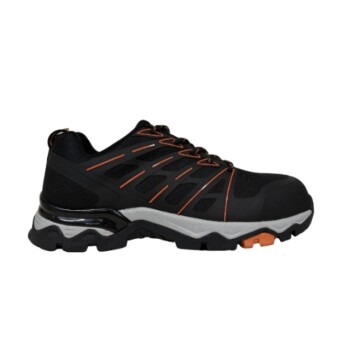
Simulating daily operational tasks is the only definitive method to translate static footwear specifications into real-world human performance. The primary purpose of these simulations is to evaluate the manual dexterity, physical endurance, and flexibility of the wearer while they are actively using Safety Shoes or Tactical Boots. By forcing the wearer to perform typical duty actions, researchers can observe how the footwear impacts movement efficiency, fine motor execution, and physiological fatigue, particularly under conditions of restricted physical ability or high thermal stress.
The core value of task simulation lies in its ability to reveal hidden physical costs. It moves beyond simple fit testing to uncover how footwear weight, structure, and materials directly alter metabolic burden and recovery rates during high-intensity exertion.
Evaluating Functional Performance
Assessing Manual Dexterity and Motor Control
Simulation is essential for observing fine motor execution. Researchers assess whether the footwear impedes the precise movements required for operational tasks. This highlights how boot structure affects the wearer's ability to navigate complex environments without stumbling or losing coordination.
Measuring Physical Endurance
Tests are designed to push the wearer to the limits of their physical endurance. By replicating the duration and intensity of actual shifts, the simulation exposes how the footwear performs over time. This helps identify if the boot contributes to premature exhaustion.
Testing Flexibility and Movement Efficiency
Static flexibility is different from dynamic flexibility. Operational simulations reveal how the boot bends and flexes during rapid or awkward movements. This data indicates whether the footwear supports or hinders natural gait and agility.
The Physiological Impact of Footwear
Quantifying Metabolic Stress
To understand the "why" behind wearer fatigue, researchers often employ quantitative tools like blood lactate analyzers. This allows for the monitoring of metabolic product concentrations before, during, and after the simulated exercise.
Analyzing Anaerobic Burden
In more extreme scenarios, such as hypoxic (low oxygen) environments, baseline and peak lactate values are measured. This objective data helps assess the anaerobic metabolic burden placed on the wearer. It indicates how hard the body must work to compensate for the footwear's weight or stiffness.
Tracking Recovery and Acidosis
The data derived from these simulations allows for a specific analysis of recovery rates. It reveals how the footwear’s physical characteristics—such as weight and materials—indirectly influence metabolic acidosis. This is critical for understanding how quickly a wearer can recover from a high-intensity task.
Understanding the Trade-offs
Weight vs. Metabolic Cost
A heavier, more protective boot structure often results in higher fatigue accumulation. While simulation ensures the boot meets safety standards, it often reveals a direct correlation between increased boot mass and higher lactate levels during exertion.
Thermal Stress vs. Protection
Simulations often introduce high thermal stress to test durability. However, boots that offer maximum thermal protection may reduce breathability. This can lead to faster physiological fatigue, creating a balance that must be carefully managed.
Making the Right Choice for Your Goal
When interpreting data from operational task simulations, align the results with your specific operational requirements.
- If your primary focus is Agility and Speed: Prioritize results related to manual dexterity and movement efficiency to ensure the footwear does not hinder fine motor execution.
- If your primary focus is Long-Duration Endurance: Look closely at the metabolic acidosis and blood lactate analysis to select footwear that minimizes anaerobic burden and fatigue accumulation.
Task simulation ultimately transforms footwear selection from a subjective guess into an objective, data-driven decision.
Summary Table:
| Evaluation Metric | Operational Purpose | Key Impact Analyzed |
|---|---|---|
| Manual Dexterity | Fine motor execution in the field | Coordination and stumbling prevention |
| Physical Endurance | Duration/intensity shift replication | Premature exhaustion and metabolic burden |
| Dynamic Flexibility | Agility during rapid movements | Support for natural gait and movement efficiency |
| Metabolic Stress | Blood lactate & anaerobic tracking | Physiological recovery rates and acidosis control |
Partner with 3515 for High-Performance Footwear Solutions
As a large-scale manufacturer serving distributors and brand owners, 3515 offers comprehensive production capabilities for all footwear types, anchored by our flagship Safety Shoes series. We understand that in high-stakes environments, every gram of weight and every millimeter of flexibility counts. Our extensive portfolio—covering work and tactical boots, outdoor shoes, training shoes, sneakers, and Dress & Formal shoes—is designed to minimize metabolic cost and maximize wearer endurance.
Ready to elevate your product line with data-driven designs that reduce fatigue? Contact us today to discuss your bulk requirements.
References
- Totong Totong, Hardianto Iridiastadi. Personal Protective Equipment for Health Workers from Virus Transmission: The Effect of Temperature of Working Environment on Physiological Responses. DOI: 10.46254/ap03.20220280
This article is also based on technical information from 3515 Knowledge Base .
Related Products
- Premium Suede Sport Safety Shoes for Wholesale & Bulk Orders
- Premium Lightweight Safety Shoes for Wholesale & Bulk Orders
- Wholesale Anti-Smash & Puncture-Proof Safety Shoes Custom Manufacturing for Brands
- Premium KPU Injection Athletic Style Safety Shoes
- Premium Safety Shoes with Rotating Buckle Safety Sneakers
People Also Ask
- What industries have specific OSHA footwear requirements? Ensure Compliance & Protect Your Workforce
- What are the primary functions of professional safety shoes? Maximize Safety in Water Supply Confined Spaces
- What role do specialized safety shoes play in preventing falls? Engineering Stability in Industrial Environments
- Why are customized foot sensors or professional safety shoes incorporated into biomechanical testing? Precision Insights
- Why wear protective masks, gloves, and safety shoes in 5S Shine? Elevate Safety and Discipline