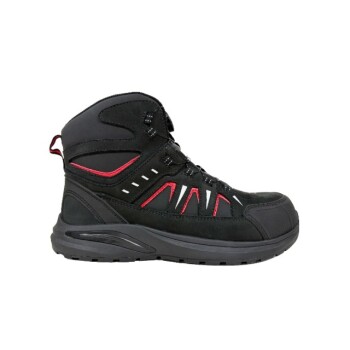
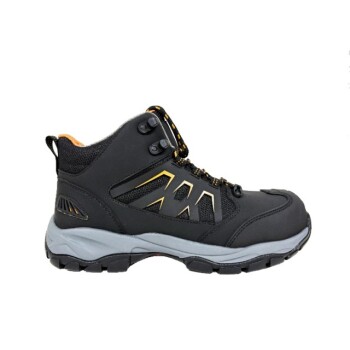
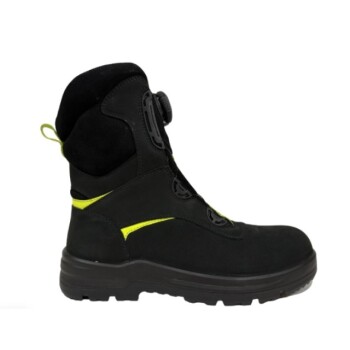
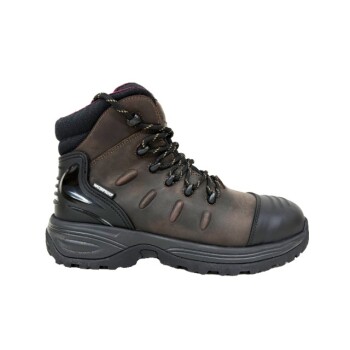
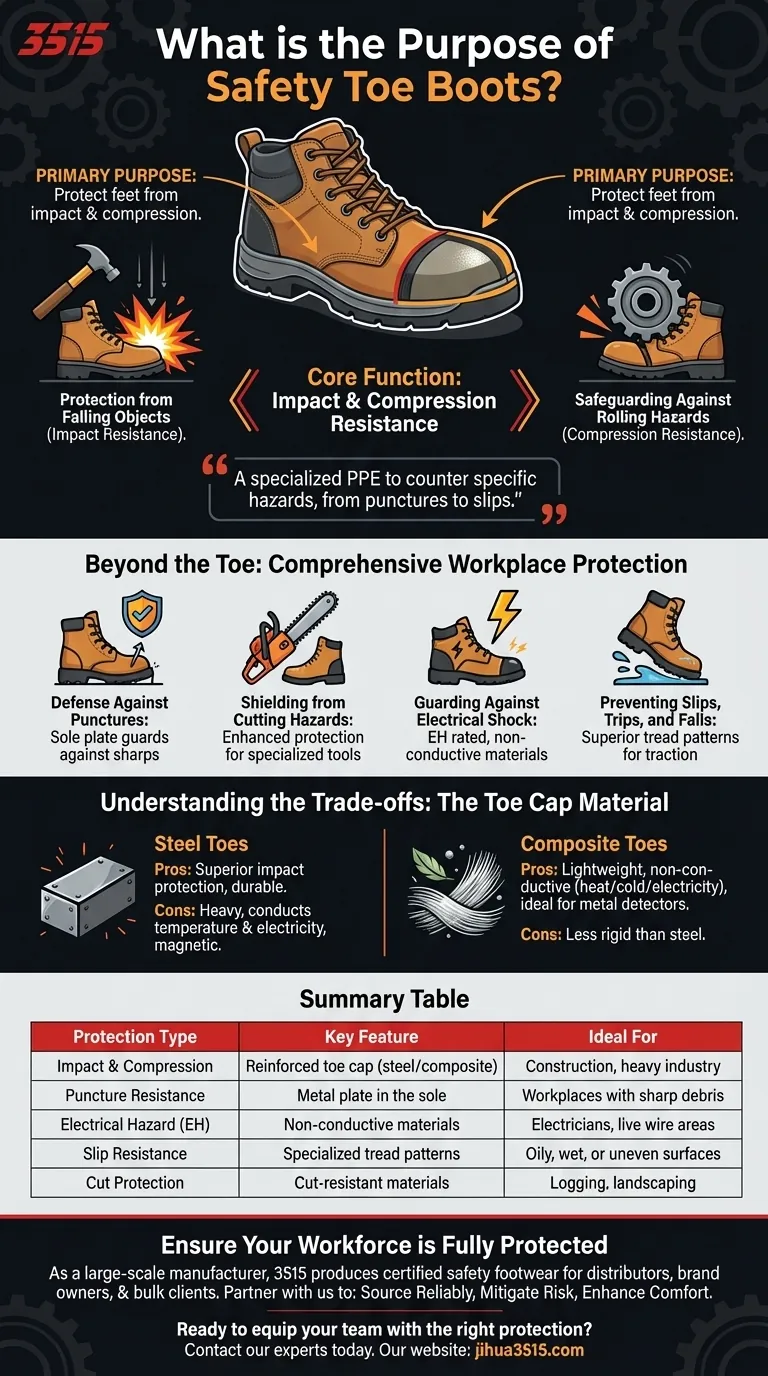
The primary purpose of a safety toe boot is to protect your feet from common job site injuries, specifically by shielding your toes from the force of falling objects and compression from heavy or rolling equipment. This is achieved through a reinforced toe cap built directly into the boot, which acts as a crucial barrier against severe impact.
The core function of a safety toe boot is not just to block impacts, but to serve as a specialized piece of personal protective equipment engineered to counter the specific hazards of a given work environment, from punctures and electrical shock to slips and falls.
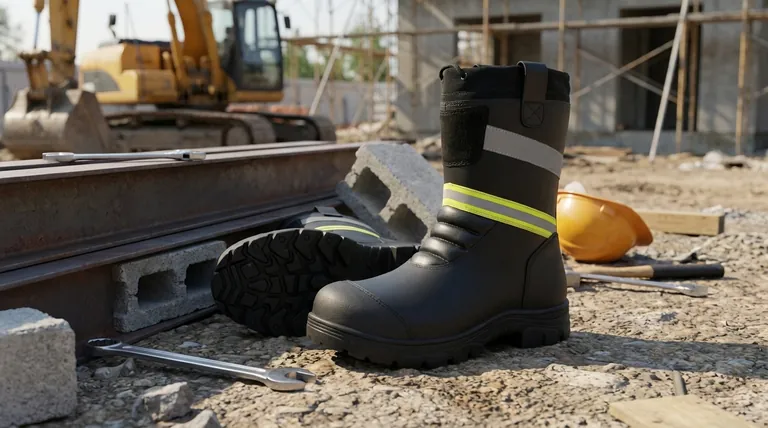
The Core Function: Impact and Compression Resistance
The most fundamental purpose of a safety toe boot is to prevent crushing injuries to the toes, which are among the most frequent and debilitating injuries in manual labor and industrial settings.
Protection from Falling Objects
A reinforced toe box, typically made of steel or composite materials, is designed to withstand a specific level of direct impact from above. This protects the wearer from dropped tools, building materials, or other heavy items.
Safeguarding Against Rolling Hazards
The toe cap also provides critical compression resistance. This is essential in environments with heavy machinery, vehicles, or equipment that could roll over a worker's foot.
Beyond the Toe: Comprehensive Workplace Protection
While the toe cap is the defining feature, modern safety boots are engineered to provide a wider range of protection against numerous workplace dangers.
Defense Against Punctures
Many safety boots include a puncture-resistant plate in the sole to guard against sharp objects like nails, screws, or scrap metal from piercing the bottom of the foot.
Shielding from Cutting Hazards
For occupations using tools like chainsaws or rotary mowers, specialized boots offer enhanced protection against cutting and laceration risks.
Guarding Against Electrical Shock
Certain safety boots are rated for Electrical Hazard (EH) protection. They are built with non-conductive materials to insulate the wearer from live electrical currents, preventing dangerous shocks.
Preventing Slips, Trips, and Falls
High-quality outsoles with specialized tread patterns are a standard feature, designed to provide superior grip and traction on slippery or uneven surfaces, reducing the overall risk of injury.
Understanding the Trade-offs: The Toe Cap Material
The material used for the toe cap has significant implications for the boot's performance, weight, and suitability for different environments.
The Rigidity of Steel Toes
Steel toe caps offer a superior degree of protection against the most extreme impact and compression hazards. They are exceptionally rigid and durable.
However, steel is heavy and conducts temperature, making it less comfortable in very hot or cold conditions. It is also magnetic and conductive, rendering it unsuitable for workplaces with metal detectors or certain electrical hazards.
The Versatility of Composite Toes
Composite toe caps, made from materials like Kevlar, carbon fiber, or plastic, provide a modern alternative. They are much lighter than steel, which reduces foot fatigue over a long day.
Crucially, composite materials do not conduct heat, cold, or electricity, making them the ideal choice for environments where those factors are a concern.
Making the Right Choice for Your Hazard
Selecting the correct safety toe boot depends entirely on the specific risks present in your work environment.
- If your primary focus is maximum impact resistance in construction or heavy industry: A steel toe boot often provides the highest level of rigid protection against crushing forces.
- If you work in extreme temperatures or pass through metal detectors: A composite toe boot offers certified protection without the weight and thermal conductivity of steel.
- If you face potential contact with live electrical circuits: You must select a boot specifically rated for Electrical Hazard (EH) protection, which will feature a non-conductive composite toe and sole.
Choosing the right safety boot is a foundational step in ensuring your personal safety and well-being on any job site.
Summary Table:
| Protection Type | Key Feature | Ideal For |
|---|---|---|
| Impact & Compression | Reinforced toe cap (steel/composite) | Construction, heavy industry |
| Puncture Resistance | Metal plate in the sole | Workplaces with sharp debris |
| Electrical Hazard (EH) | Non-conductive materials | Electricians, live wire areas |
| Slip Resistance | Specialized tread patterns | Oily, wet, or uneven surfaces |
| Cut Protection | Cut-resistant materials (e.g., chainsaw boots) | Logging, landscaping |
Ensure Your Workforce is Fully Protected
As a large-scale manufacturer, 3515 produces a comprehensive range of certified safety footwear designed to meet the specific hazards of your industry. We provide durable, comfortable, and compliant safety toe boots for distributors, brand owners, and bulk clients.
Partner with us to:
- Source Reliably: Get consistent, high-quality production for all types of safety shoes and boots.
- Mitigate Risk: Equip your teams with footwear that meets or exceeds safety standards.
- Enhance Comfort: Reduce worker fatigue with ergonomically designed boots.
Ready to equip your team with the right protection? Contact our experts today to discuss your specific needs and receive a customized solution.
Visual Guide
Related Products
- Puncture-Resistant Velcro Safety Boots for Wholesale & Custom Manufacturing
- Durable Steel Toe Safety Boots Wholesale & Custom Manufacturing
- Wholesale Leather Safety Boots with Customizable Protective Toe
- Wholesale Durable Breathable Safety Boots Custom OEM Manufacturer
- Customizable Anti-Smash Safety Boots for Wholesale & Private Label Manufacturing
People Also Ask
- Why are industrial safety boots with steel toes necessary for machine operators? Essential Foot Protection for Safety
- What are the characteristics of steel toe safety boots? Maximum Protection, Key Trade-offs
- Is it true that steel toes can cause toes to get cut off? Debunking the Dangerous Myth
- What are the primary safety functions of safety boots with steel-toe designs? Essential Protection for Industry
- What do the symbols M, F, I, and C represent on safety toe boots? Decode ASTM F2413 for Maximum Protection