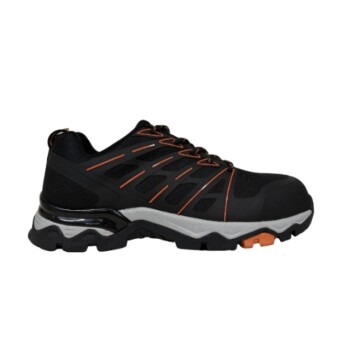
The objective of incorporating Quality Function Deployment (QFD) into the development of technical safety shoes is to systematically translate subjective end-user requirements into precise technical manufacturing indicators. This method bridges the gap between vague user desires, such as "ergonomic comfort" or "wearer safety," and the rigid, quantitative specifications required for engineering and production.
The core value of QFD lies in its ability to scientifically determine the weight of performance standards—including reliability and physical risk—to ensure the final product is strictly aligned with safety objectives.
Bridging the Gap Between User and Engineer
Translating Subjective Needs
End-users often express needs in qualitative terms, such as how a shoe feels or how safe it seems. QFD functions as a translation tool.
It converts these complex, human-centric requirements into specific, measurable technical indicators that manufacturers can act upon.
The Mapping Matrix
The mechanism for this translation is a mapping matrix.
This tool establishes a direct link between user needs and specific functional domains within the manufacturing process. By visualizing these connections, development teams ensure that every design choice can be traced back to a specific user requirement.
Prioritizing Critical Performance Standards
Scientific Weighting of Standards
In safety footwear, not all features are created equal. QFD removes guesswork by scientifically determining the weight of various standards.
This prioritization allows developers to focus resources on the features that matter most to the end-user's safety and utility.
Key Metrics for Optimization
The QFD process specifically targets maintenance and performance standards essential for technical footwear.
According to your primary source, this includes optimizing for reliability, physical risk, and technical availability. By weighting these factors, the design process naturally aligns with the core safety objectives of the project.
Understanding the Trade-offs
Complexity of Implementation
While QFD offers precision, it introduces significant complexity to the initial planning phase.
Creating a detailed mapping matrix requires exhaustive data collection on user needs before any physical design begins. This can extend the early stages of the development timeline.
Dependency on Accurate Input
The "scientific" output of QFD is entirely dependent on the quality of the user data fed into it.
If the initial understanding of "wearer safety" or "ergonomic comfort" is flawed, the resulting technical indicators will be precise, but ultimately incorrect.
Making the Right Choice for Your Goal
To effectively apply QFD in the context of safety footwear, consider your specific development targets:
- If your primary focus is Regulatory Compliance: Use QFD to map "physical risk" requirements directly to material durability and protective cap specifications.
- If your primary focus is User Adoption: Prioritize the "ergonomic comfort" weightings in your matrix to ensure technical stiffness does not compromise wearability.
By leveraging QFD, you transform the development of technical safety shoes from a process of estimation into a disciplined alignment of human need and engineering capability.
Summary Table:
| Aspect | Description/Benefit |
|---|---|
| Primary Objective | Translate subjective user requirements into precise technical manufacturing indicators. |
| Core Value | Scientifically determine performance standard weights (reliability, physical risk, technical availability). |
| Key Mechanism | Uses a mapping matrix to link user needs directly to functional manufacturing domains. |
| Prioritized Metrics | Reliability, Physical Risk, Technical Availability for optimal safety and utility. |
| Considerations | Increases initial planning complexity; highly dependent on accurate user input. |
Ready to develop technical safety shoes that perfectly meet user needs and regulatory standards? As a large-scale manufacturer serving distributors and brand owners, 3515 offers comprehensive production capabilities for all footwear types, anchored by our flagship Safety Shoes series. Our extensive portfolio covers work and tactical boots, outdoor shoes, training shoes, and sneakers, as well as Dress & Formal shoes to meet diverse bulk requirements. Contact 3515 today to leverage our expertise and ensure your footwear projects achieve optimal safety, comfort, and market success!
References
- Mohd Effendi Amran, Firdaus Muhammad‐Sukki. Critical assessment of medical devices on reliability, replacement prioritization and maintenance strategy criterion: Case study of Malaysian hospitals. DOI: 10.1002/qre.3447
This article is also based on technical information from 3515 Knowledge Base .
Related Products
- Premium Wholesale Tactical Style Safety Shoes Boots with Quick Lacing
- Advanced KPU Athletic Safety Shoe with Steel Toe Cap Anti-Slip Rotary Lacing System
- Wholesale Anti-Smash & Puncture-Proof Safety Shoes Custom Manufacturing for Brands
- Premium KPU Injection Athletic Style Safety Shoes
- Athletic Safety Shoes with Dial Closure & Steel Toe for Wholesale & Custom Manufacturing
People Also Ask
- How are gait analysis research findings applied to the functional design of safety shoes and tactical boots?
- Why is the synchronization of craftsmanship and UX development emphasized for bulk customization of safety shoes?
- How can specialized footwear mitigate safety risks? High-Volume OEM/ODM Solutions since 1951
- How do quality certification standards for safety shoes reduce perceived risk? Buy Online with Technical Certainty
- How does anthropomorphic design influence material selection? Enhance Footwear Performance through Biological Alignment