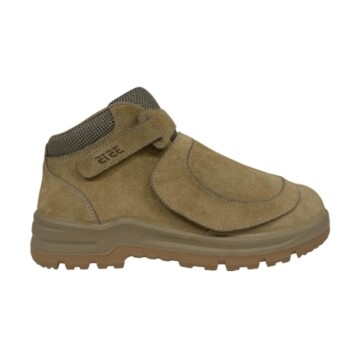
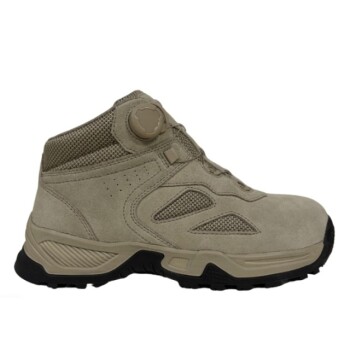
In the complex environment of industrial maintenance, safety footwear serves as the primary barrier between a worker and a hazardous floor. Puncture-resistant midsoles are critically important because they prevent sharp objects—such as metal shards, screws, and even dropped manual tools like wrenches—from piercing the sole and causing severe foot injuries.
Puncture-resistant midsoles function as a shield for the bottom of the foot, turning a potentially debilitating step onto a sharp object into a non-event, thereby preserving both worker health and operational continuity.
The Nature of the Hazard
Beyond Just Nails
While construction sites are known for nails, industrial maintenance environments present a unique profile of sharp debris.
The ground is often scattered with metal shards, screws, and scrap material.
The Risk of Dropped Tools
A specific hazard in maintenance is the presence of dropped manual tools, such as screwdrivers or wrenches.
When these items are left on the floor, they become dangerous underfoot hazards. A standard sole offers little resistance if a worker steps forcefully onto the sharp end of a tool.
A Comprehensive Defense System
Puncture-resistant footwear should not be viewed in isolation.
It works best when combined with standard operating procedures (SOPs) for tool management. This combination creates a layered defense against both falling objects and the hazards lurking underfoot.
Material Technologies: Steel vs. Composite
Steel Midsoles
Historically, puncture resistance is achieved through a steel plate embedded between the footbed and the outsole.
These plates are highly durable and rust-resistant, offering reliable protection against nails and scrap metal. They are often the standard in heavy industries like demolition and recycling.
Composite and Kevlar Midsoles
Modern advancements have introduced high-strength fiber structures, often using materials like Kevlar.
These composite midsoles offer protection levels equivalent to steel but are significantly lighter. They are integrated into the sole to block penetration without the weight of metal.
Impact on Productivity and Physiology
Reducing Worker Fatigue
The weight of safety footwear directly correlates to wearer fatigue over a long shift.
Composite midsoles possess better fatigue resistance than traditional materials. By reducing the overall weight of the shoe, they help maintain worker energy levels and agility throughout the day.
Ensuring Business Continuity
Injuries in maintenance roles can halt production processes, specifically in high-pressure environments like precast concrete production.
By preventing mechanical injuries from rebar or shards, these shoes ensure the continuity of the production process. Keeping skilled maintenance workers active and uninjured directly supports overall labor productivity.
Understanding the Trade-offs
Weight vs. Cost
There is a distinct trade-off between comfort and price.
Steel midsoles are generally more affordable but add significant weight to the boot, potentially causing fatigue. Kevlar or composite options are lighter and more flexible, but they typically come at a higher price point.
Rigidity and Flexibility
Puncture-resistant plates can alter the flexibility of the shoe.
A solid steel plate may make the sole stiffer, which can be uncomfortable during tasks requiring significant kneeling or crouching. Woven composite midsoles generally offer better flexibility, mimicking the natural movement of the foot.
Making the Right Choice for Your Goal
Selecting the correct footwear depends on balancing the specific hazards of the maintenance task with the need for mobility.
- If your primary focus is maximum durability on a budget: Opt for steel midsoles, as they provide robust, rust-resistant protection against heavy scrap and nails at a lower cost.
- If your primary focus is reducing fatigue and increasing agility: Choose composite (Kevlar) midsoles, which offer equivalent protection with significantly less weight and better flexibility.
- If your primary focus is a specific environmental hazard: Consult safety regulations regarding other factors like electrostatic discharge or wet conditions to ensure the puncture-resistant boot also meets those specific compliance needs.
True safety is achieved when the protective equipment is matched perfectly to the reality of the daily workflow.
Summary Table:
| Feature | Steel Midsoles | Composite (Kevlar) Midsoles |
|---|---|---|
| Material | Stainless or coated steel plate | High-strength woven fibers |
| Weight | Heavier, may increase fatigue | Lightweight, improves agility |
| Flexibility | Rigid, less natural movement | Flexible, easier for kneeling |
| Cost | More affordable / Budget-friendly | Premium / Higher price point |
| Best For | Demolition, recycling, heavy scrap | High-mobility tasks, long shifts |
Partner with 3515 for High-Performance Safety Footwear
As a large-scale manufacturer serving distributors and brand owners, 3515 offers comprehensive production capabilities for all footwear types, anchored by our flagship Safety Shoes series. Whether you require the robust durability of steel midsoles or the lightweight agility of Kevlar technology, we deliver the quality and scale your business demands.
Our extensive portfolio covers work and tactical boots, outdoor shoes, training shoes, and sneakers, as well as Dress & Formal shoes to meet diverse bulk requirements. Ensure your workforce or customers are protected with industry-leading puncture resistance and comfort.
Ready to upgrade your inventory or workplace safety? Contact us today to discuss your bulk manufacturing needs
References
- M. Jainul Amri Lubis, Andika Bayu Hasta Yanto. Analisis Resiko Kecelakaan Kerja Menggunakan Metode HIRARC Pada PT. Telkom Indonesia Jakarta Utara. DOI: 10.31294/imtechno.v5i1.2414
This article is also based on technical information from 3515 Knowledge Base .
Related Products
- Wholesale Durable Safety Boots | Custom Steel Toe & Puncture-Resistant Manufacturing
- Wholesale Anti-Smash & Puncture-Proof Safety Shoes Custom Manufacturing for Brands
- Wholesale Durable Breathable Safety Boots Custom OEM Manufacturer
- Athletic Safety Shoes with Dial Closure & Steel Toe for Wholesale & Custom Manufacturing
- Premium High-Cut Waterproof Safety Boots Manufacturing & Wholesale Solutions
People Also Ask
- What are the key features of safety boots? Essential Protection for Hazardous Workplaces
- What makes durable safety boots? The Ultimate Guide to Long-Lasting Work Footwear
- What are the consequences of not wearing safety boots? Protect Your Finances and Career
- Why is proper storage important for safety boots? Preserve Protection and Extend Lifespan
- How should safety boots be cleaned to avoid damage? A Gentle Guide to Preserve Your Boots