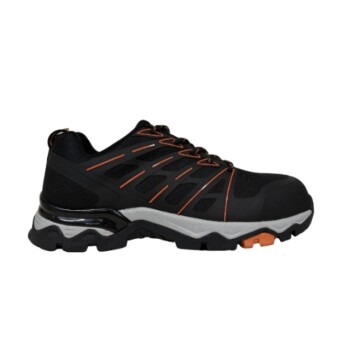
Disclosing Tier 2 supplier information is the cornerstone of modern high-performance footwear manufacturing. For complex products like safety shoes and tactical boots, identifying fabric and yarn mills is not optional; it is the only way to establish full-link traceability, ensuring that rigorous processing standards are met while actively mitigating legal and ethical risks at the source.
The Core Insight Visibility into Tier 2 suppliers transforms compliance from a final checklist into a continuous assurance process. By monitoring the initial stages of production, you secure the technical integrity of functional materials and protect the brand from the legal repercussions of forced labor in the raw material supply chain.
Ensuring Technical Integrity and Performance
High-performance footwear relies on functional materials that must perform under stress. Disclosure at the Tier 2 level provides the oversight necessary to guarantee this performance.
Achieving Full-Link Traceability
Safety shoes and tactical boots are the result of complex manufacturing processes.
To ensure the final product saves feet or lives, you must have visibility into every link in the chain.
Full-link traceability connects the finished good back to the raw material, creating a verifiable history of the product's creation.
Controlling the Dyeing and Weaving Stages
The primary reference highlights that critical quality control happens long before assembly.
Processes such as dyeing and weaving occur at the mill level (Tier 2).
Disclosing these suppliers allows brands to verify that these specific processing stages comply with required chemical and durability standards.
Mitigating Legal and Ethical Risks
Beyond technical performance, Tier 2 disclosure is a primary defense against operational and reputational threats.
Addressing Forced Labor Risks
The initial material production phase is often where supply chain visibility is lowest.
This opacity creates significant risks regarding forced labor.
By identifying and auditing Tier 2 suppliers, manufacturers can mitigate these human rights risks before materials ever reach the assembly factory.
Enhancing Credibility and Compliance
Regulatory environments are becoming increasingly strict regarding supply chain due diligence.
Disclosing mill-level data proves that a brand is not merely reacting to regulations but proactively managing them.
This transparency significantly enhances the overall credibility of the finished product in the eyes of regulators and consumers.
Understanding the Challenges
While the benefits of Tier 2 disclosure are clear, it is important to acknowledge the inherent complexities involved in implementation.
Navigating Complex Supply Networks
The text notes that high-performance footwear involves complex processes.
Mapping these networks requires significant administrative effort, as a single Tier 1 factory may source from dozens of Tier 2 mills.
Data Verification Burdens
Simply knowing the name of a mill is insufficient; the data must be verified.
Ensuring compliance at the dyeing and weaving stages requires resources for auditing and data management that go beyond standard finished-goods inspection.
Making the Right Choice for Your Goals
The level of granularity you require from your supply chain depends on your specific objectives.
- If your primary focus is Product Performance: Prioritize disclosure of mills involved in chemical treatments and weaving to ensure functional materials meet safety standards.
- If your primary focus is Corporate Responsibility: Focus heavily on tracing the origin of yarns and raw fibers to eliminate forced labor risks from the earliest stages of production.
True high-performance manufacturing requires looking beyond the assembly line to the very threads that hold the product together.
Summary Table:
| Key Benefit | Impact on High-Performance Footwear |
|---|---|
| Full-Link Traceability | Connects finished boots to raw materials for a verifiable safety history. |
| Technical Integrity | Direct oversight of dyeing and weaving ensures chemical and durability standards. |
| Risk Mitigation | Proactively identifies and eliminates forced labor risks at the source. |
| Regulatory Credibility | Enhances brand trust by meeting strict global supply chain due diligence laws. |
Partner with a Transparent Manufacturer for Your Footwear Success
As a large-scale manufacturer serving global distributors and brand owners, 3515 understands that the integrity of your brand depends on what happens deep within the supply chain. We offer comprehensive production capabilities for all footwear types, anchored by our flagship Safety Shoes series. Our extensive portfolio covers work and tactical boots, outdoor shoes, training shoes, and sneakers, as well as Dress & Formal shoes.
By partnering with 3515, you gain a manufacturing ally committed to the technical performance and ethical traceability your customers demand. Contact us today to discuss your bulk requirements and supply chain needs.
References
- Harriette Richards. Risk, Reporting and Responsibility: Modern Slavery, Colonial Power and Fashion’s Transparency Industry. DOI: 10.5204/ijcjsd.2378
This article is also based on technical information from 3515 Knowledge Base .
Related Products
- Premium Suede Sport Safety Shoes for Wholesale & Bulk Orders
- Premium Lightweight Safety Shoes for Wholesale & Bulk Orders
- Wholesale Anti-Smash & Puncture-Proof Safety Shoes Custom Manufacturing for Brands
- Premium KPU Injection Athletic Style Safety Shoes
- Premium Safety Shoes with Rotating Buckle Safety Sneakers
People Also Ask
- What are the primary functions of professional safety shoes? Maximize Safety in Water Supply Confined Spaces
- What industries have specific OSHA footwear requirements? Ensure Compliance & Protect Your Workforce
- What role do specialized safety shoes play in preventing falls? Engineering Stability in Industrial Environments
- Why are customized foot sensors or professional safety shoes incorporated into biomechanical testing? Precision Insights
- What are the technical advantages of integrating sensors into safety shoes? Achieve Superior Motion Capture Precision