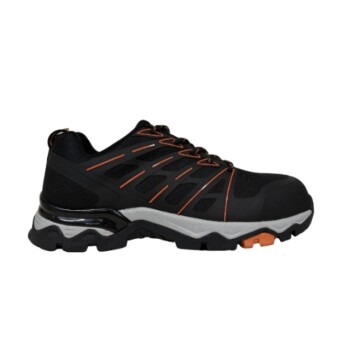
Sensors integrated into safety shoes and other protective gear act as the primary data collection points for modern construction sites. By converting standard equipment into Internet of Things (IoT) terminals, these sensors continuously record real-time information such as geographical location, worker activity, and environmental conditions. This transformation creates the foundational data stream required for advanced analysis and site management.
These sensors function as the bridge between physical labor and digital analytics, enabling management to move from reactive observation to proactive safety monitoring and resource optimization.
Transforming PPE into IoT Terminals
From Passive Protection to Active Monitoring
Traditionally, personal protective equipment (PPE) like safety shoes and helmets served a purely physical function. The integration of sensors upgrades this gear, transforming "dumb" equipment into active Internet of Things (IoT) terminals.
The Foundation of Big Data
According to industry analysis, these sensors serve as the "foundational hardware" for construction big data. Without this granular, on-the-body data collection, high-level analysis of site operations would lack the necessary inputs to be effective.
Key Data Metrics Captured
Real-Time Geographical Positioning
One of the primary functions of these sensors is to track the precise location of workers across the job site. This allows for a real-time visualization of where personnel are distributed relative to active machinery or hazardous zones.
Activity Status Monitoring
Beyond simple location, the sensors record the specific activity status of the wearer. This data helps distinguish between active labor, transit, or rest periods, providing a clear picture of workforce productivity.
Environmental Sensing
The sensors are designed to detect parameters in the immediate surrounding environment. This creates a hyper-local weather and hazard map, alerting the system to conditions that might pose a risk to the specific worker.
Transforming Site Management
Precise Safety Monitoring
The massive volume of data generated allows management to monitor safety with a level of precision previously impossible. Instead of relying on periodic site walks, safety officers can observe the status of the entire workforce simultaneously.
Optimizing Personnel Scheduling
By analyzing activity and location data, managers can identify bottlenecks or inefficiencies in workflow. This insight allows for dynamic scheduling, ensuring workers are deployed exactly where they are needed most.
Preventing Occupational Injuries
The ultimate goal of this data collection is the effective prevention of injuries. By correlating environmental data with worker activity, the system can predict and prevent accidents before they occur.
Understanding the Distinctions
Physical Safety vs. Digital Monitoring
It is critical to distinguish between the physical and digital roles of modern safety footwear. As noted in standard safety protocols, the physical shoe (steel or composite toe) resists impact and compression risks from falling objects.
The Limits of Sensors
While sensors provide vital data, they do not offer physical resistance to injury. The sensor tracks the danger; the reinforced structure of the shoe protects the foot. A comprehensive safety strategy must prioritize high-quality physical protection (anti-slip, puncture-resistant) alongside digital integration.
Maximizing the Value of Smart PPE
To effectively leverage sensor-integrated equipment, align your data analysis with your specific operational goals.
- If your primary focus is Site Safety: Prioritize the analysis of environmental parameters and real-time location to keep workers away from hazardous zones.
- If your primary focus is Operational Efficiency: Concentrate on activity status data to optimize personnel scheduling and reduce downtime.
The true power of these sensors lies not just in collecting data, but in translating that data into safer, more efficient construction environments.
Summary Table:
| Key Aspect | Description & Benefit |
|---|---|
| PPE as IoT Terminals | Converts traditional gear into active data collection points. |
| Real-Time Positioning | Tracks worker location for hazard avoidance and deployment. |
| Activity Status Monitoring | Records labor, transit, and rest periods for productivity. |
| Environmental Sensing | Detects hyper-local conditions for immediate risk alerts. |
| Precise Safety Monitoring | Enables simultaneous oversight of the entire workforce. |
| Optimizing Scheduling | Identifies inefficiencies for dynamic resource allocation. |
| Preventing Injuries | Predicts and prevents accidents through data correlation. |
As a large-scale manufacturer serving distributors and brand owners, 3515 offers comprehensive production capabilities for all footwear types, anchored by our flagship Safety Shoes series. Our extensive portfolio covers work and tactical boots, outdoor shoes, training shoes, and sneakers, as well as Dress & Formal shoes to meet diverse bulk requirements. Elevate your product line with our advanced, high-quality safety footwear solutions, designed to meet the evolving demands of modern industries. Contact us today to discuss how our expertise can benefit your brand and customers!
References
- Hafiz Suliman Munawar, Danish Shahzad. Big Data in Construction: Current Applications and Future Opportunities. DOI: 10.3390/bdcc6010018
This article is also based on technical information from 3515 Knowledge Base .
Related Products
- Premium Lightweight Safety Shoes for Wholesale & Bulk Orders
- Premium Safety Shoes with Rotating Buckle Safety Sneakers
- Premium KPU Injection Athletic Style Safety Shoes
- Advanced KPU Athletic Safety Shoe with Steel Toe Cap Anti-Slip Rotary Lacing System
- Premium Suede Sport Safety Shoes for Wholesale & Bulk Orders
People Also Ask
- How is the absence of PPE (safety shoes & helmets) categorized in construction motion data labeling? Unlock Real-Time Safety Insights!
- What role does blockchain play in footwear supply chain transparency? Enhance Safety Shoe Traceability and Verification
- What is a recommended alternative to using hairspray for slip resistance? Ditch Unreliable Hacks for Real Safety
- What workplace hazards indicate the need for safety shoes? Identify risks to protect your workforce.
- What role do specialized safety shoes play in preventing falls? Engineering Stability in Industrial Environments