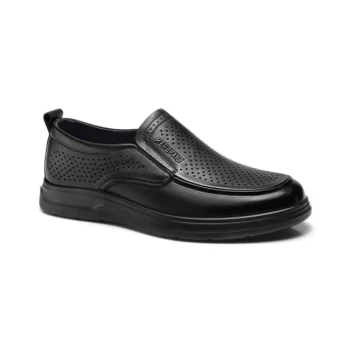
The primary function of recycled PET fiber in sustainable footwear is to serve as a high-performance raw material for constructing shoe uppers. Derived from physically or chemically reprocessed plastic bottles, these fibers allow manufacturers to replace virgin synthetic materials with high-quality yarns. This substitution is essential for producing durable, quick-drying sneakers while significantly lowering the carbon emissions associated with traditional footwear production.
The core value of recycled PET fiber lies in its ability to decouple footwear production from petroleum extraction. It transforms post-consumer waste into a durable industrial resource, establishing a critical foundation for a circular economy.
The Manufacturing Application
Constructing the Upper
The most direct application of recycled PET fiber is in the manufacturing of shoe uppers. This is the part of the shoe that covers the foot and requires significant flexibility and durability.
Instead of relying on new polyester derived from oil, manufacturers weave yarns created from discarded bottles. This creates a textile that meets the rigorous structural demands of modern footwear.
Performance Characteristics
Utilizing recycled plastic does not imply a reduction in quality. The reprocessing technology yields high-performance fibers suitable for athletic and casual use.
Specifically, these recycled yarns contribute to the creation of quick-drying apparel and footwear. The material retains the beneficial properties of synthetic fibers—such as moisture management and resilience—without the environmental cost of virgin production.
Environmental Impact and Principles
Reducing Petroleum Dependency
Standard synthetic fibers are petroleum-based products. By utilizing PET from bottles, the footwear industry reduces its reliance on virgin fossil fuels.
This shift directly lowers the carbon emissions associated with raw material sourcing. It prevents the need to extract and refine new oil for the sole purpose of making polyester fabrics.
Enabling the Circular Economy
Recycled PET is not just a material choice; it is a systemic shift. It serves as a critical pathway for achieving a circular economy within the footwear sector.
Rather than a linear "take-make-waste" model, this approach keeps materials in use. It ensures that discarded plastics are viewed as a resource to be harvested rather than trash to be landfilled.
Understanding the Trade-offs
Processing Complexity
While the end product is sustainable, the creation of these fibers is technologically intensive. It requires advanced physical or chemical reprocessing to turn a rigid bottle into a soft, wearable fiber.
This is not a simple melting process; it involves sophisticated technology to ensure the resulting yarn creates a high-quality textile that rivals virgin materials. The sustainability of the final product relies heavily on the efficiency of this specific recycling technology.
Making the Right Choice for Your Goal
When evaluating footwear made with recycled PET, consider your specific priorities:
- If your primary focus is environmental impact: Look for brands that quantify the reduction in virgin material usage, confirming that the shoe upper is the primary site of recycled content.
- If your primary focus is product performance: Verify that the recycled yarns are engineered for specific functional benefits, such as quick-drying capabilities or abrasion resistance, rather than just aesthetic value.
Recycled PET fiber bridges the gap between waste management and high-performance manufacturing, proving that sustainability and durability can coexist in modern footwear.
Summary Table:
| Feature | Recycled PET Fiber Function | Environmental & Performance Benefit |
|---|---|---|
| Material Source | Post-consumer plastic bottles | Reduces petroleum dependency & fossil fuel extraction |
| Primary Application | Durable shoe uppers & linings | High flexibility, resilience, and structural integrity |
| Technical Property | Moisture management | Creates quick-drying and breathable footwear |
| Economic Model | Circular economy integration | Diverts waste from landfills into high-value resources |
| Manufacturing | Physical/Chemical reprocessing | Matches the quality of virgin polyester with lower carbon footprint |
Partner with 3515 for Sustainable Footwear Manufacturing
As a large-scale manufacturer serving distributors and brand owners worldwide, 3515 is committed to integrating sustainable materials like recycled PET fiber into high-performance production. Our comprehensive capabilities allow us to help you meet the growing demand for eco-conscious products without compromising on quality or durability.
Whether you are expanding your Safety Shoes series or sourcing bulk tactical boots, outdoor shoes, training sneakers, or formal dress shoes, our team provides the technical expertise and scale you need. By choosing 3515, you gain a manufacturing partner dedicated to lowering carbon emissions and advancing circular economy principles in the footwear industry.
Ready to lead the market with sustainable solutions? Contact us today to discuss your bulk production requirements!
References
- Slađana Starčević, Ana Vjetrov. Barriers to sustainable development in the fashion industry: Supply chain complexity and consumers' attitude-behavior gap. DOI: 10.5937/skolbiz1-35074
This article is also based on technical information from 3515 Knowledge Base .
Related Products
- Durable Rubber Sole Outdoor Shoes Wholesale & Custom Manufacturing
- Lightweight Breathable Sneakers with Wet-Traction Grip for Wholesale & Private Label
- Lightweight Breathable Training Shoes for Wholesale & Custom OEM Manufacturing
- Wholesale Durable Safety Boots Manufacturer Customizable Steel Toe Work Boots
- Wholesale Lightweight Cushioned Athletic Sneakers for Custom Bulk Production
People Also Ask
- What is the function of the sole in outdoor shoes? Find the Perfect Grip and Support
- What role do outdoor shoes and sneakers play in navigating external terrains? Engineered Stability for Every Surface
- How is AI utilized in the design of outdoor and safety footwear? Harnessing Big Data for Market-Driven Shoe Innovation
- Why is durability important when selecting outdoor shoes? A Guide to Safety & Long-Term Value
- What are the key components of outdoor shoes that affect comfort and sturdiness? A Guide to Durable, High-Performance Footwear