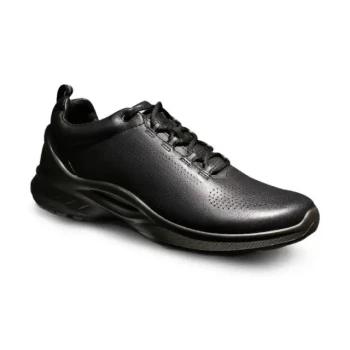
Specialized or custom orthopedic shoes are specifically engineered to prevent limb-threatening complications in high-risk diabetic patients. Their core function is to provide a personalized fit that restructures the distribution of mechanical stress, thereby maximizing the reduction of physical burden on vulnerable areas of the foot.
Precise pressure management is vital for preventing the formation of pressure ulcers, which are a leading cause of lower limb amputations in patients with diabetes.
The Mechanics of Foot Protection
Restructuring Mechanical Stress
The primary mechanism of these shoes is the redistribution of plantar pressure. Rather than allowing weight to concentrate on a single point—which causes tissue breakdown—the shoe spreads these forces evenly across the foot. This restructuring is essential for patients with foot deformities that create natural pressure points.
Maximizing Burden Reduction
By offering a personalized fit, custom footwear accommodates the specific shape and structural irregularities of the patient's foot. This customization effectively reduces the physical burden on specific parts of the foot that are prone to injury. The goal is to eliminate the repetitive stress that leads to skin lesions.
Clinical Importance and Daily Function
Prevention of Pressure Ulcers
The most critical outcome of using specialized footwear is the prevention of ulcers. High-pressure areas are the breeding ground for these wounds. By managing this pressure precisely, the footwear acts as a barrier against the recurrence of ulcers and, consequently, reduces the risk of amputation.
Supporting Daily Activities
Beyond immediate protection, proper footwear plays a central role in a patient's quality of life. As noted in preventive strategies, appropriate shoes mitigate physical limitations. This protection supports a patient's actual ability to perform daily activities safely.
Understanding the Trade-offs: Custom vs. Commercial
The Role of Athletic Footwear
It is worth noting that for daily prevention, high-quality sneakers or running shoes also offer significant functional advantages. They feature shock-absorbing soles and adjustable lacing systems that provide stable foot support and disperse plantar pressure.
When Specialization is Necessary
While sneakers help reduce repetitive friction, they are general-purpose tools. Specialized orthopedic shoes are required when a patient is considered high-risk. In these cases, the standard shock absorption of a sneaker is often insufficient to accommodate severe deformities or protect against the recurrence of ulcers.
Making the Right Choice for Your Goal
Selecting the correct footwear depends on the severity of the condition and the specific needs of the patient's foot structure.
- If your primary focus is preventing ulcers in high-risk cases: Prioritize custom orthopedic shoes to accommodate deformities and aggressively manage pressure distribution.
- If your primary focus is daily mobility for lower-risk maintenance: Consider quality sneakers with shock-absorbing soles to provide stable support and minimize friction during walking.
The right footwear choice is not merely about comfort; it is a critical medical intervention for preserving the limb.
Summary Table:
| Feature | Specialized Orthopedic Shoes | High-Quality Sneakers |
|---|---|---|
| Primary Function | Aggressive pressure redistribution | Shock absorption & stability |
| Fit Type | Personalized / Custom-molded | Standardized commercial fit |
| Target User | High-risk (Deformities/Prior ulcers) | Low-to-moderate risk maintenance |
| Mechanism | Restructures mechanical stress | Minimizes repetitive friction |
| Goal | Amputation prevention | General mobility & comfort |
Partner with 3515 for Advanced Footwear Solutions
As a large-scale manufacturer serving distributors and brand owners worldwide, 3515 offers comprehensive production capabilities for all footwear types, anchored by our flagship Safety Shoes series.
We understand that high-risk diabetic foot care requires precision and reliability. Our extensive portfolio covers everything from specialized work and tactical boots to high-performance training shoes and sneakers, as well as Dress & Formal shoes for bulk requirements. Whether you are looking to expand your orthopedic line or source durable safety footwear, we provide the manufacturing excellence needed to protect end-users and grow your brand.
Ready to elevate your product range? Contact us today to discuss your bulk production needs!
References
- Ahmed S. Alotaibi, Omer A AsSaigal. Awareness of Diabetic Patients in the Qassim Region About Diabetic Foot and Its Complications. DOI: 10.7759/cureus.52306
This article is also based on technical information from 3515 Knowledge Base .
Related Products
- Custom OEM Training Shoes Wholesale Manufacturer Durable & Breathable
- Wholesale Breathable & Cushioned Training Shoes Custom Factory Production
- Wholesale Breathable Training Shoes Custom Athletic Footwear Manufacturer
- Wholesale Durable & Breathable Training Shoes for Custom Brands
- Wholesale Training Shoes with Dial Lacing System Custom OEM Manufacturing
People Also Ask
- Why is sole stiffness testing using a force gauge necessary? Build Superior Training Shoes with Precision
- Why is specialized athletic footwear necessary for ankle rehab? Unlock Safety and Stability in Recovery
- Why is it necessary for participants to wear professional training shoes? Ensuring Data Accuracy & Patient Safety
- Why is the use of flat-soled or professional training shoes essential for WBV? Maximize Vibration Energy Transfer
- Why is the integration of advanced cushioning in training shoes necessary for athletes? Boost Recovery and Performance