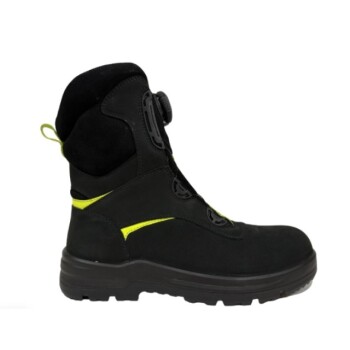
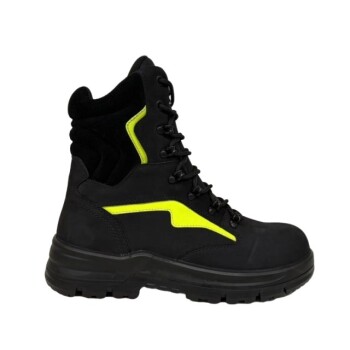
At its fundamental core, professional safety boots function as a critical physical barrier designed to prevent foot injuries and fatal accidents on construction sites. Within a Health and Safety (H&S) management system, they serve as essential compliance hardware, acting as the final line of defense against immediate physical hazards in a high-risk environment.
Core Takeaway While their immediate purpose is physical protection, professional safety boots also function as a diagnostic tool for management. The consistency of their use is a visible metric of safety culture maturity, directly correlating with accident reduction, schedule adherence, and overall productivity.
Beyond Basic Compliance: The Strategic Function
A Critical Physical Barrier
Construction environments present inherent risks, ranging from falling heavy objects to puncture hazards. Professional safety boots provide the necessary hardware to mitigate these specific physical threats.
They act as a shield to prevent minor mishaps from escalating into lost-time injuries. In extreme cases, this barrier is the deciding factor in preventing fatal accidents on-site.
Measuring Safety Culture Maturity
An effective H&S system relies on observable data to measure its own effectiveness. The usage rate of professional safety boots serves as a highly visible indicator of the site's safety culture maturity.
Widespread, voluntary compliance suggests a mature culture where safety is intrinsically prioritized. Conversely, poor adherence often signals deeper systemic issues regarding discipline and risk awareness.
The Operational Impact on the Project
Reducing Workplace Accidents
A rigorous safety boot policy directly influences the statistical reduction of workplace accidents. By addressing the most common physical vulnerabilities, the management system lowers the frequency of reportable incidents.
This reduction is not merely about meeting regulatory quotas. It represents a tangible decrease in harm to the workforce.
Preventing Project Delays
Accidents inevitably lead to work stoppages, investigations, and personnel shortages. These interruptions can severely impact critical path timelines.
By preventing injuries, safety boots play a key role in maintaining the project schedule. They are a preventative measure against the cascading delays that follow safety incidents.
Enhancing Overall Productivity
A safe environment allows workers to operate with confidence and efficiency. When safety protocols—starting with fundamental footwear—are strictly followed, overall site productivity improves.
This establishes a link between safety compliance and operational output. Safe sites are generally more productive sites.
Understanding the Trade-offs
The Risk of Over-Reliance
While safety boots are essential, management must not view them as a "silver bullet" for site safety. They are a reactive measure against impact, not a proactive removal of the hazard itself.
Relying solely on PPE without addressing root cause hazards (like poor housekeeping or unstable materials) can create a false sense of security.
Compliance vs. Commitment
High usage rates must reflect genuine safety culture, not just a fear of punishment. If workers wear boots only when observed by management, the "cultural maturity" metric becomes skewed.
True maturity is achieved when the hardware is worn consistently because the workforce understands its value, not just the rule.
Making the Right Choice for Your Goal
To maximize the value of professional safety boots within your H&S system, consider the following strategic focus areas:
- If your primary focus is Risk Mitigation: Prioritize the specification of high-quality boots to serve as a robust physical barrier against fatalities and injuries.
- If your primary focus is Cultural Assessment: Monitor boot usage rates as a leading indicator to gauge the maturity and mindset of your workforce.
- If your primary focus is Operational Efficiency: Enforce strict footwear compliance to minimize accident-related downtime and protect project timelines.
Ultimately, professional safety boots are not just protective gear; they are a foundational element of a productive, compliant, and culturally mature construction environment.
Summary Table:
| Aspect | Description / Benefit |
|---|---|
| Core Function | Critical physical barrier against foot injuries and fatal accidents. |
| Strategic Role | Visible metric of safety culture maturity; diagnostic tool for management effectiveness. |
| Operational Impact | Reduces workplace accidents, prevents project delays, enhances overall productivity. |
| Key Consideration | Avoid over-reliance on PPE; foster genuine safety commitment, not just compliance. |
As a large-scale manufacturer serving distributors and brand owners, 3515 offers comprehensive production capabilities for all footwear types, anchored by our flagship Safety Shoes series. Our extensive portfolio covers work and tactical boots, outdoor shoes, training shoes, sneakers, and Dress & Formal shoes to meet your diverse bulk requirements. Partner with us to provide top-tier protective and performance footwear. Contact us today to discuss your production needs!
References
- A. Nimo-Boakye. Reviewing Measuring Health And Safety Management Performance In The Construction Industry. DOI: 10.26437/ajar.03.2022.25
This article is also based on technical information from 3515 Knowledge Base .
Related Products
- Premium High-Cut Waterproof Safety Boots Manufacturing & Wholesale Solutions
- Premium Waterproof High-Cut Industrial Safety Boots for Wholesale and Bulk Orders
- Puncture-Resistant Velcro Safety Boots for Wholesale & Custom Manufacturing
- Premium Wholesale Waterproof Safety Boots High Performance Protection for Industrial Markets
- Premium Grain Leather Safety Boots for Bulk Supply
People Also Ask
- Which industries commonly use safety boots and why? Protect Your Workforce from Top Hazards
- What are the common hazards present in work environments that safety boots protect against? Find Your Perfect Match
- What future trends are emerging in safety boot technology? Discover Lighter, Smarter, and More Sustainable Footwear
- What are the slip resistance requirements for safety boots? Professional Grip Standards for Poultry Facility Cleaning
- Why is a high-precision 3D motion capture system necessary for measuring joint range of motion? Optimize Safety & Mobility