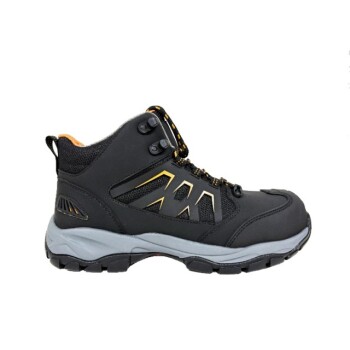
In conclusion, composite toe boots are a modern, high-performance safety footwear alternative that provides certified impact and compression protection equivalent to steel toes, but with significant advantages in weight, thermal comfort, and electrical safety. They are engineered from non-metallic materials like Kevlar, carbon fiber, and fiberglass to serve specific industrial and environmental needs.
The central takeaway is that composite toe boots are not just a replacement for steel toes, but an upgrade for specific work environments. They excel where lightweight comfort, resistance to extreme temperatures, and a metal-free design are critical priorities.
The Core Advantage: Reducing Weight Without Sacrificing Safety
The most frequently cited benefit of composite toe boots is the significant reduction in weight compared to their steel counterparts. This directly impacts user comfort and endurance over a long workday.
How Lighter Weight Impacts Your Workday
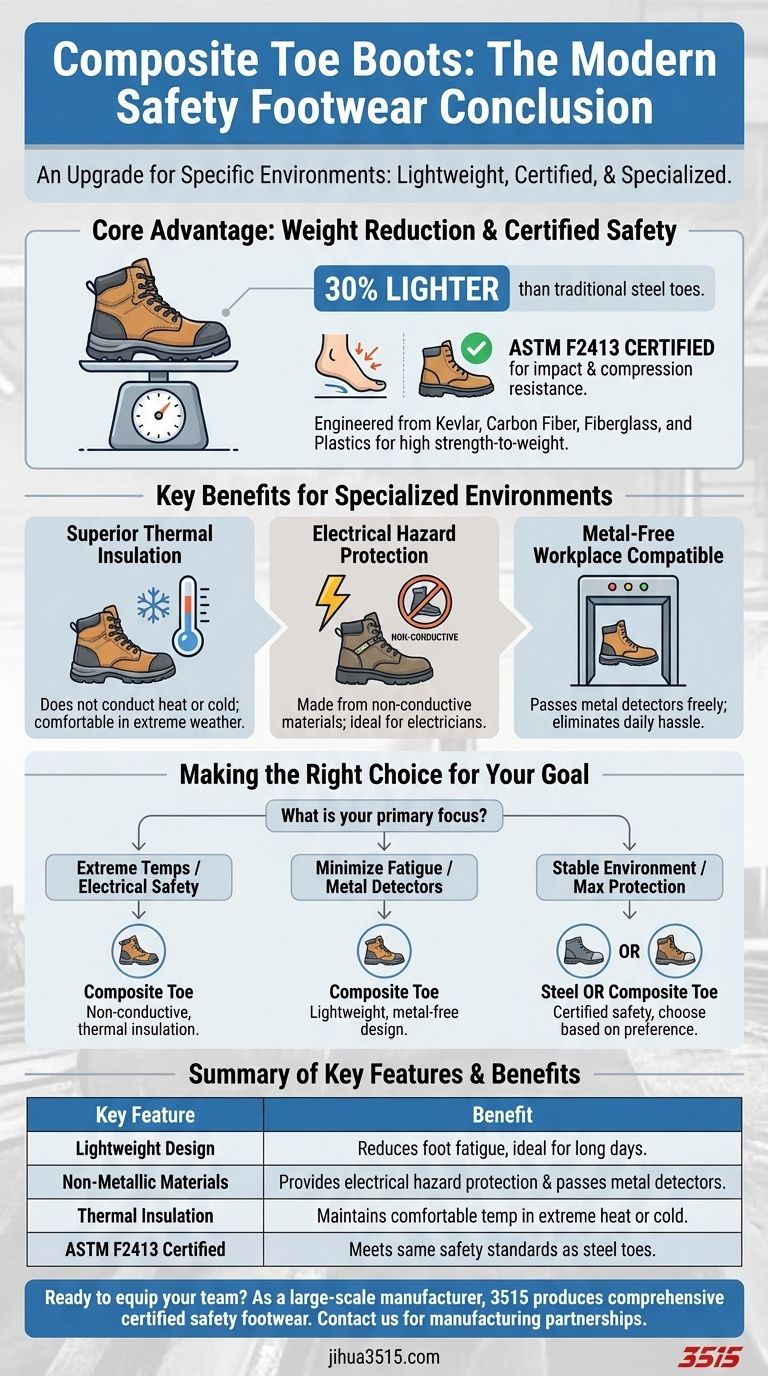
Composite toe caps are approximately 30 percent lighter than traditional steel toe caps. This reduction in weight minimizes foot fatigue, making them ideal for anyone who spends long hours walking or standing.
Meeting Certified Safety Standards
Despite being lightweight, quality composite toe boots are not a compromise on safety. They are designed and tested to meet the same ASTM F2413 standards for impact and compression resistance that govern all safety footwear, including steel toe boots.
The Materials Behind the Technology
The "composite" name refers to the blend of non-metallic materials used to create the protective toe cap. These advanced materials often include Kevlar, carbon fiber, fiberglass, and specialized plastics, all chosen for their high strength-to-weight ratio.
Key Benefits for Specialized Environments
Beyond weight, the non-metallic nature of composite materials provides distinct advantages that are essential in certain professions and work sites.
Superior Thermal Insulation
Unlike metal, composite materials do not readily conduct heat or cold. This makes composite toe boots far more comfortable in extreme hot or cold weather conditions, as they help regulate the temperature inside the boot.
Electrical Hazard Protection
Because they are made from non-conductive materials, composite toe boots are an excellent choice for electricians, engineers, and utility workers. Their metal-free construction reduces the risk of electrical conductivity.
Compatibility with Metal-Free Workplaces
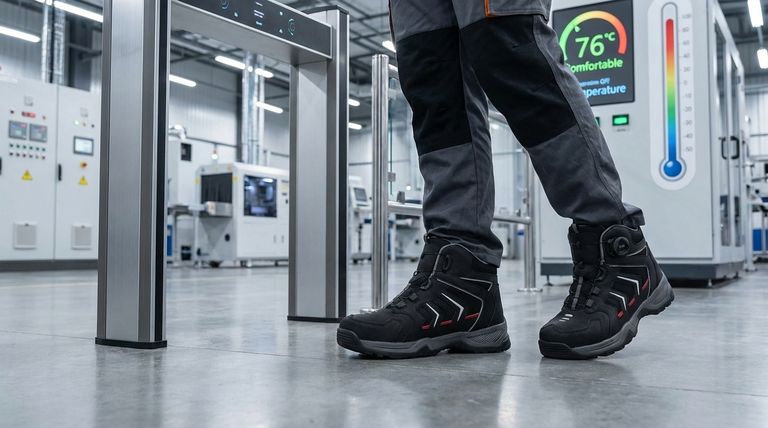
For workers who must pass through metal detectors frequently, such as in security, logistics, or certain manufacturing facilities, composite toe boots eliminate a daily hassle without compromising on personal protective equipment.
Understanding the Trade-offs
While composite toe boots offer many modern advantages, it's crucial to approach the choice with a clear understanding of the full context to avoid common pitfalls.
Focus on Reputable Brands
The performance of a composite toe depends entirely on the quality of the materials and manufacturing process. It is essential to choose boots from reputable manufacturers that clearly state their ASTM certification to ensure you are getting proven protection.
The Cost Factor
As composite toe technology has grown in popularity, prices have become more competitive. However, boots featuring high-end materials like carbon fiber or Kevlar may still come at a higher price point than the most basic steel toe options.
Not a Universal "Upgrade"
The decision between composite and steel is not about which is universally better, but which is better for your specific job. The benefits of a composite toe are most pronounced in roles where its unique properties—lightweight, non-conductive, and thermally resistant—solve a specific daily problem.
Making the Right Choice for Your Goal
Select your safety footwear based on the primary demands of your work environment.
- If your primary focus is working in extreme temperatures or as an electrician: The non-conductive and thermally insulating properties of composite toe boots make them the superior choice.
- If your primary focus is minimizing daily fatigue or passing through metal detectors: The significant weight reduction and metal-free design of composite toes offer a clear and practical advantage.
- If your primary focus is maximum protection in a stable, temperate environment: Both steel and composite toes provide certified safety, so your choice can be based on comfort, brand preference, and specific job-site rules.
Ultimately, choosing composite toe boots is an investment in modern comfort and specialized protection tailored to the unique challenges of your workday.
Summary Table:
| Key Feature | Benefit |
|---|---|
| Lightweight Design | Reduces foot fatigue, ideal for long workdays. |
| Non-Metallic Materials | Provides electrical hazard protection and passes metal detectors. |
| Thermal Insulation | Maintains comfortable temperature in extreme hot or cold conditions. |
| ASTM F2413 Certified | Meets the same impact/compression safety standards as steel toes. |
Ready to equip your team with high-performance composite toe boots?
As a large-scale manufacturer, 3515 produces a comprehensive range of safety footwear for distributors, brand owners, and bulk clients. Our production capabilities encompass all types of certified work boots, ensuring you receive durable, comfortable, and compliant footwear tailored to your specific industrial needs.
Contact us today to discuss your requirements and discover how we can be your trusted manufacturing partner.
Visual Guide
Related Products
- Wholesale Durable Safety Boots Manufacturer Customizable Steel Toe Work Boots
- Durable Leather Moc Toe Work Boots for Wholesale & Custom Manufacturing
- Wholesale Mesh Steel Toe Safety Shoes with Dial Closure Factory Production
- Wholesale Durable Breathable Safety Boots Custom OEM Manufacturer
- Wholesale Customizable Safety Boots Durable & Protective Footwear Manufacturing
People Also Ask
- What are the pros and cons of steel toe work boots? A Guide to Maximum Protection vs. Comfort
- What are the different types of steel toe work boots? Choose the Right Boot for Your Job
- What is the history of steel toe work boots? From German Invention to Modern Safety Standard
- How much weight can steel toe work boots withstand? Unpacking the 3,372 lb. Safety Standard
- What are some common myths about steel toe work boots? Debunked for Modern Workers