
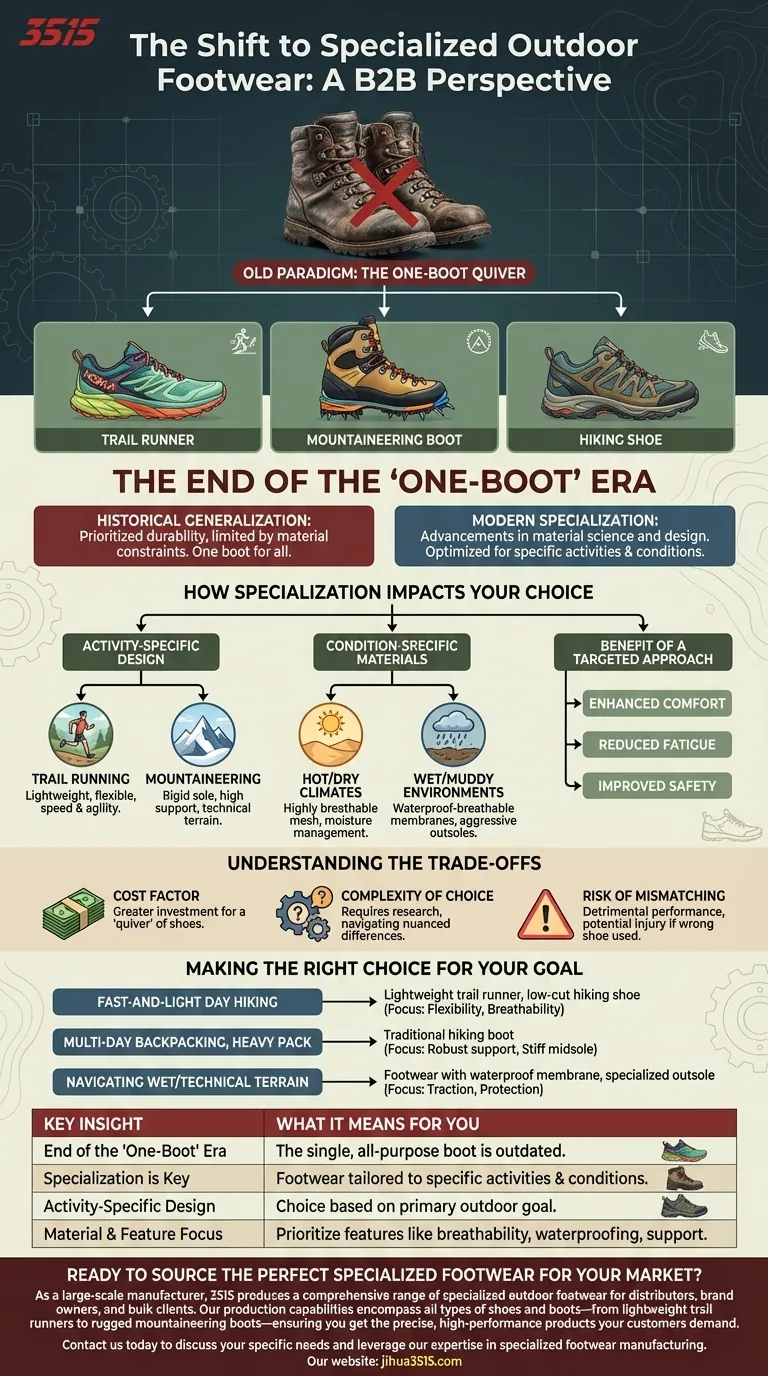
The second reviewer's core perspective is that the era of a single, all-purpose outdoor boot is over. The reviewer argues that advancements in modern materials and design have led to a new paradigm of specialized footwear. This means that instead of one boot for every situation, there are now optimized options tailored to specific activities and environmental conditions.
The central idea is that specialization has replaced the "one-boot-fits-all" mentality. Choosing the right footwear now means matching the specific design and materials of the shoe to the unique demands of your intended activity and environment.
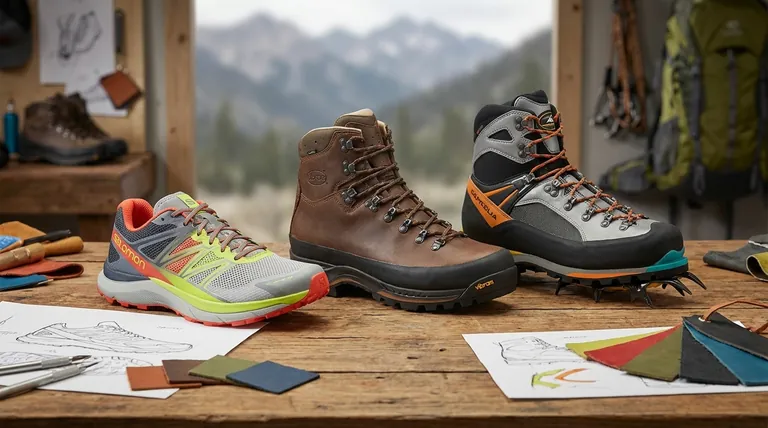
The End of the "One-Boot Quiver"
The reviewer's argument signals a fundamental shift in how we should think about outdoor footwear. The old model of a single, heavy pair of boots for every possible scenario is now outdated.
A Shift Away From Generalization
Historically, one pair of rugged leather boots was expected to handle everything from short day hikes to multi-day alpine treks. This approach prioritized durability above all else.
The Rationale Behind Specialization
Significant advancements in material science and footwear engineering are the driving force behind this change. Lighter synthetics, waterproof-breathable membranes, and activity-specific sole designs allow for footwear to be precisely tuned for different purposes.
How Specialization Impacts Your Choice
This modern approach provides distinct advantages in performance and comfort, but it requires a more thoughtful selection process. You are no longer just buying a "hiking boot"; you are selecting a specific tool for a specific job.
Activity-Specific Design
A lightweight, flexible trail runner is built for speed and agility on well-maintained paths. In contrast, a mountaineering boot has a rigid sole and high ankle support designed for carrying heavy loads and using crampons on technical terrain.
Condition-Specific Materials
Footwear for hot, dry climates often uses highly breathable mesh to manage heat and moisture. For wet and muddy environments, boots with waterproof membranes and aggressive outsoles provide critical protection and traction.
The Benefit of a Targeted Approach
Using footwear designed for your specific activity enhances comfort, reduces fatigue, and can even improve safety. The right shoe provides the correct balance of support, flexibility, and protection that a generalist boot cannot.
Understanding the Trade-offs
While specialization offers significant benefits, it's important to recognize the potential downsides. This expert approach introduces new considerations for the buyer.
The Cost Factor
The most obvious trade-off is cost. Building a "quiver" of specialized footwear for different activities—one pair for trail running, another for backpacking—is a greater financial investment than buying a single pair of boots.
The Complexity of Choice
The sheer number of available options can be overwhelming. Understanding the nuanced differences between a hiking shoe, a trail runner, and an approach shoe requires more research and knowledge from the consumer.
The Risk of Mismatching
Using a highly specialized shoe in the wrong context can be detrimental. Wearing minimalist trail runners while carrying a 60-pound pack, for example, could lead to discomfort and potential injury due to a lack of support.
Making the Right Choice for Your Goal
To navigate this landscape, start by clearly defining your primary outdoor activity. Let your intended use dictate the design and features you prioritize.
- If your primary focus is fast-and-light day hiking on established trails: You will benefit most from a lightweight trail runner or low-cut hiking shoe that prioritizes flexibility and breathability.
- If your primary focus is multi-day backpacking with a heavy pack: You should seek a traditional hiking boot with robust ankle support and a stiffer midsole to manage the load effectively.
- If your primary focus is navigating consistently wet or technical terrain: Look for footwear with a reliable waterproof membrane and a specialized outsole with deep, aggressive lugs for superior traction.
Ultimately, embracing this specialized approach allows you to select a tool perfectly engineered for your specific adventure.
Summary Table:
| Key Insight | What It Means for You |
|---|---|
| End of the 'One-Boot' Era | The single, all-purpose outdoor boot is outdated. |
| Specialization is Key | Modern footwear is tailored to specific activities and conditions. |
| Activity-Specific Design | Your choice should be based on your primary outdoor goal (e.g., trail running vs. backpacking). |
| Material & Feature Focus | Prioritize features like breathability, waterproofing, or ankle support based on your needs. |
Ready to source the perfect specialized footwear for your market?
As a large-scale manufacturer, 3515 produces a comprehensive range of specialized outdoor footwear for distributors, brand owners, and bulk clients. Our production capabilities encompass all types of shoes and boots—from lightweight trail runners to rugged mountaineering boots—ensuring you get the precise, high-performance products your customers demand.
Contact us today to discuss your specific needs and leverage our expertise in specialized footwear manufacturing.
Visual Guide
Related Products
- Durable Rubber Sole Outdoor Shoes Wholesale & Custom Manufacturing
- Wholesale Waterproof Tactical Boots Custom Suede & High-Traction Soles
- Durable Waterproof Rain Boots | Custom Manufacturer for Wholesale & Brands
- Heavy-Duty Waterproof Nubuck Safety Boots Safety Shoes for Bulk Supply
- Wholesale Durable Camouflage Canvas Shoes with High-Traction Cleated Rubber Sole
People Also Ask
- What is the function of the sole in outdoor shoes? Find the Perfect Grip and Support
- What role do outdoor shoes and sneakers play in navigating external terrains? Engineered Stability for Every Surface
- How is AI utilized in the design of outdoor and safety footwear? Harnessing Big Data for Market-Driven Shoe Innovation
- Why is durability important when selecting outdoor shoes? A Guide to Safety & Long-Term Value
- What are the key components of outdoor shoes that affect comfort and sturdiness? A Guide to Durable, High-Performance Footwear



















