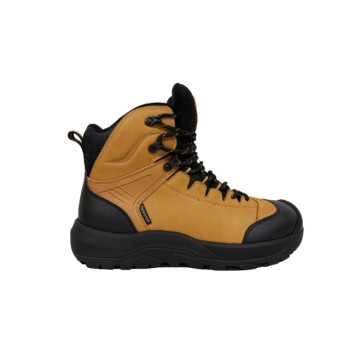
High-quality winter boot construction is defined by a synthesis of three critical elements: durable assembly, protective materials, and a supportive ergonomic fit. The best boots feature robust attachment methods like triple stitching or welted soles, use thick rubber for insulation and traction, and incorporate waterproof yet breathable materials to ensure your feet remain warm, dry, and stable.
The true indicator of a superior winter boot is not a single feature, but how its entire system—from the sole's construction to the upper's materials and the overall fit—works in concert to protect you from the specific demands of your environment.
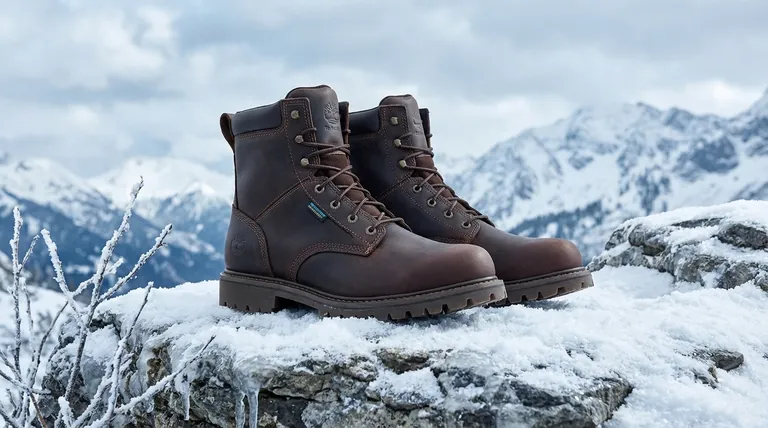
The Foundation: Durability and Structure
A boot's longevity and protective capability begin with its fundamental construction. This underlying structure is what separates footwear that lasts a single season from an investment that endures for years.
Stitching and Sole Attachment
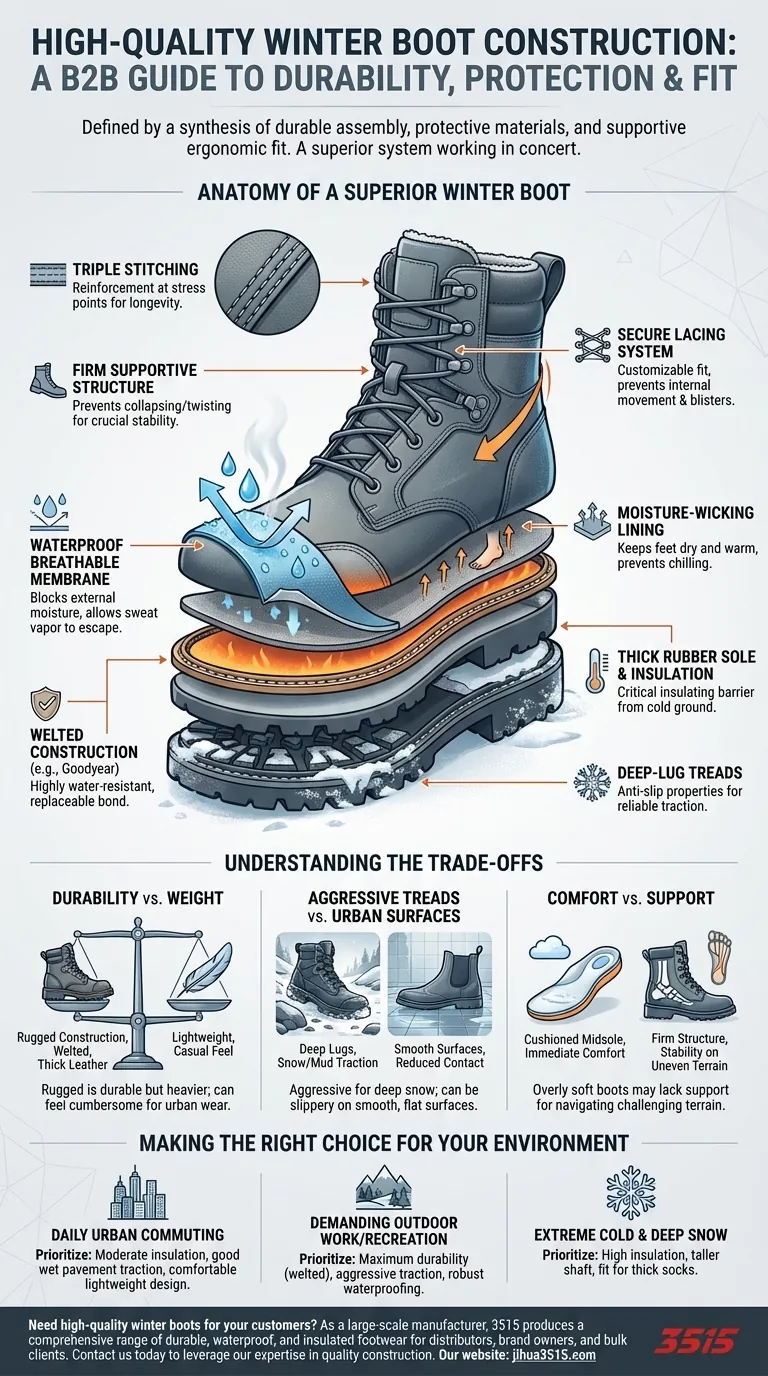
The most durable boots often feature triple stitching on the uppers, which provides significant reinforcement at stress points. For the sole, a welted construction (like a Goodyear welt) is the gold standard, as it creates a highly water-resistant and replaceable bond between the upper and the sole.
The Importance of a Firm Structure
A quality winter boot should have a firm, supportive structure. This prevents the boot from collapsing or twisting on uneven, icy terrain, providing crucial stability to your ankle and foot.
Lacing Systems for a Secure Fit
Lacing is essential for a truly secure and customizable fit. It allows you to adjust the tightness across your foot and ankle, preventing internal movement that can cause blisters and heat loss.
The Shield: Materials for Warmth and Protection
The materials chosen for a boot act as your primary shield against the elements. Their function is a delicate balance between blocking external moisture and managing internal climate.
Insulation and Sole Thickness
A thick rubber sole serves two purposes. First, it provides a critical insulating barrier from the cold ground. Second, its deep lugs or treads offer anti-slip properties for reliable traction on snow and ice.
Waterproofing and Breathability
Look for boots with a dedicated waterproof and breathable membrane. This technology blocks external water from snow and slush while allowing sweat vapor to escape, which is crucial for staying dry from the inside out.
The Critical Role of Moisture Wicking
Dry feet are warm feet. A boot's ability to wick away sweat is just as important as its ability to repel snow. This breathability prevents the damp, chilling effect that occurs when perspiration cools against your skin.
Understanding the Trade-offs
No single boot is perfect for every condition. Recognizing the inherent trade-offs in boot design is key to selecting the right tool for the job.
Durability vs. Weight
The most rugged construction methods, like welted soles and thick leather, add significant weight. While incredibly durable for harsh conditions, this can feel cumbersome for casual urban wear.
Aggressive Treads vs. Urban Surfaces
Deep, aggressive lugs are ideal for traction in deep snow or mud. However, they can reduce surface contact and feel clumsy or even slippery on smooth, flat surfaces like wet pavement or tile floors.
Comfort vs. Support
A cushioned midsole and padded insole provide immediate comfort. However, an overly soft boot may lack the firm structure needed for stability when navigating challenging, uneven winter terrain for extended periods.
Making the Right Choice for Your Environment
Your intended use case is the most important factor in your decision. Use your specific goal to prioritize the features that matter most.
- If your primary focus is daily urban commuting: Prioritize a balance of moderate insulation, good traction on wet pavement, and a comfortable, lightweight design.
- If your primary focus is demanding outdoor work or recreation: Prioritize maximum durability with welted soles, aggressive traction for varied terrain, and robust waterproofing.
- If your primary focus is extreme cold and deep snow: Prioritize high levels of insulation, a taller boot shaft to keep snow out, and a fit that accommodates thick socks without restricting circulation.
By understanding these core principles of construction, you can confidently select a boot that serves as a reliable tool, not just a piece of footwear.
Summary Table:
| Feature Category | Key Indicators of Quality |
|---|---|
| Durability & Structure | Triple stitching, Welted (e.g., Goodyear) sole construction, Firm ankle support, Secure lacing system |
| Warmth & Protection | Thick rubber sole for insulation, Deep-lug tread for traction, Waterproof & breathable membrane, Moisture-wicking lining |
| Fit & Application | Ergonomic design for stability, Tailored fit for urban or rugged use, Appropriate insulation level for environment |
Need high-quality winter boots for your customers?
As a large-scale manufacturer, 3515 produces a comprehensive range of durable, waterproof, and insulated footwear for distributors, brand owners, and bulk clients. Our production capabilities encompass all types of boots, from rugged outdoor work styles to comfortable urban commuters, ensuring your customers get the protection and performance they need.
Contact us today to discuss your winter boot requirements and leverage our expertise in quality construction.
Visual Guide
Related Products
- Premium Insulated Safety Boots and Shoes for Wholesale & Bulk Orders
- Factory Direct Wholesale Rain Boots Durable Waterproof & Fully Customizable
- Durable Waterproof Rain Boots | Custom Manufacturer for Wholesale & Brands
- Wholesale Waterproof Tactical Boots Custom Suede & High-Traction Soles
- High Performance Fire-Retardant Waterproof Safety Boots
People Also Ask
- What are the recommended insulation ratings for mild winter conditions? A Guide for Active & Stationary Workers
- How does insulation thickness correlate with temperature ranges? A Guide to Choosing the Right Warmth
- What insulation level is needed for severe cold and stationary work? 1200g or Higher is Essential
- What safety advantages do insulated boots offer beyond warmth? Dielectric Protection & Superior Grip
- How does fleece lining contribute to the warmth of insulated boots? Trapping Air for Superior Cold Protection