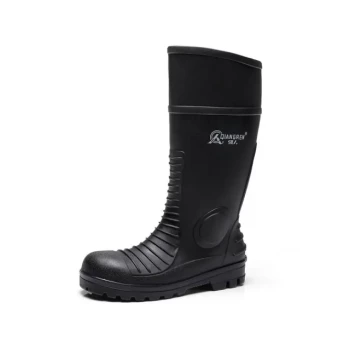
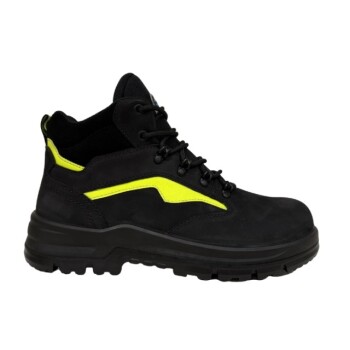
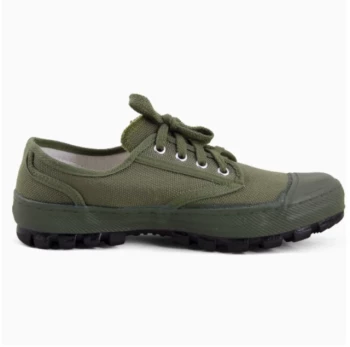
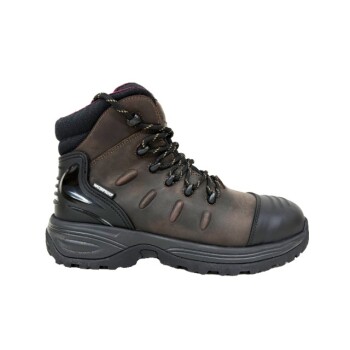
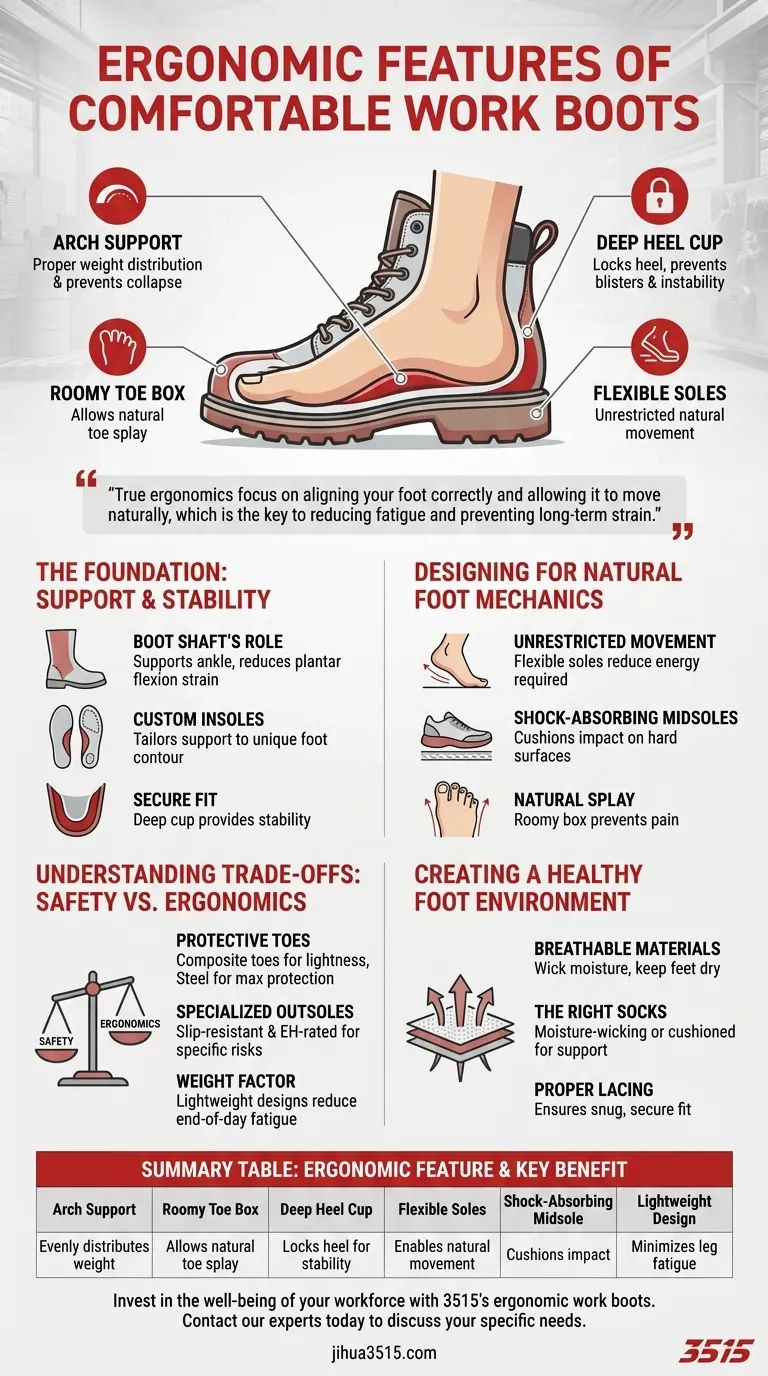
At its core, true ergonomic comfort in a work boot is achieved through a combination of proper arch support for weight distribution, a roomy toe box that allows your feet to splay naturally, a deep heel cup for stability, and flexible soles that do not restrict movement. These features work together as a system to support your foot's natural mechanics throughout a demanding workday.
The most comfortable work boot isn't just about cushioning; it's a carefully engineered system. True ergonomics focus on aligning your foot correctly and allowing it to move naturally, which is the key to reducing fatigue and preventing long-term strain.
The Foundation: Support and Stability
Proper support is the bedrock of an ergonomic work boot. Without a stable foundation, every step can introduce micro-stresses that accumulate into significant pain and fatigue over time.
Arch Support for Weight Distribution
Your foot's arch is designed to distribute your body weight evenly. A well-designed boot provides proper arch support, preventing the arch from collapsing and ensuring that pressure is managed correctly across your entire foot.
For those with specific needs, adding custom insoles can significantly enhance this support, tailoring the boot to the unique contour of your foot.
The Deep Heel Cup for a Secure Fit
A deep heel cup is critical for locking your heel in place. This prevents your foot from sliding inside the boot, which is a primary cause of friction, blisters, and instability.
A secure heel ensures that your foot and the boot move as one unit, providing confidence and control with every step.
The Boot Shaft's Role in Ankle Health
The design of the boot shaft also contributes to ergonomics. A well-structured shaft supports the ankle and can reduce excessive plantar flexion (pointing the toes), which helps prevent limb injuries and strain, especially on uneven terrain.
Designing for Natural Foot Mechanics
Beyond static support, a truly comfortable boot must accommodate the dynamic movement of your feet. Forcing your foot into an unnatural position or pattern of movement is a direct path to fatigue.
The Roomy Toe Box
Your toes need space to spread out, or "splay," when you walk and bear weight. A roomy toe box prevents toes from being cramped, which can lead to pain, pressure points, and long-term foot problems.
Flexible Soles for Unrestricted Movement
While the boot must be durable, its sole must also be flexible. Flexible soles allow your foot to bend and move naturally, which reduces the energy required for each step and minimizes overall fatigue.
Shock-Absorbing Midsoles
The midsole is the layer between the insole and the outsole, and it is the primary component for shock absorption. A quality shock-absorbing midsole cushions the impact from walking on hard surfaces like concrete, protecting your joints and reducing fatigue.
Understanding the Trade-offs: Safety vs. Ergonomics
While comfort is crucial, it must be balanced with the non-negotiable safety requirements of your job. The best ergonomic designs integrate protection without significant compromise.
Protective Toes (Steel vs. Composite)
Steel toes offer maximum protection but add significant weight. Modern composite toes provide certified crush and puncture resistance using non-metal materials, resulting in a much lighter boot that reduces fatigue without sacrificing safety.
Specialized Outsoles
Features like heavy-treaded slip-resistant rubber outsoles are essential for preventing falls in slippery conditions. Similarly, EH-rated footwear protects against electrical hazards. These features can add weight or reduce flexibility, so you must choose based on your specific workplace risks.
The Weight Factor
Ultimately, the overall weight of the boot is a critical ergonomic factor. Every extra ounce is lifted thousands of times per day. Choosing lightweight designs and materials is one of the most effective ways to ensure comfort and reduce end-of-day fatigue.
Creating a Healthy Foot Environment
The final layer of ergonomic design involves managing the climate inside the boot. A hot, damp environment quickly leads to discomfort and skin issues.
Breathable and Moisture-Wicking Materials
Materials that allow air to circulate and wick moisture away from the skin are essential. They keep your feet dry and comfortable, which is key to preventing blisters and fungal growth.
The Right Socks
Never underestimate the role of your socks. Wearing moisture-wicking or cushioned socks acts as the first layer of your boot's comfort system, enhancing support and keeping your feet dry.
Proper Lacing for a Custom Fit
Finally, how you wear the boot matters. Properly tightening your laces ensures a snug, secure fit, preventing internal movement and maximizing the stability features built into the boot.
Making the Right Choice for Your Work
To select the best boot, analyze the primary demands of your workday and prioritize the features that address them directly.
- If your primary focus is standing all day on hard surfaces: Prioritize boots with excellent arch support and a thick, shock-absorbing midsole.
- If your primary focus is constant walking and movement: Look for boots with highly flexible soles, a roomy toe box, and lightweight construction.
- If your primary focus is safety in hazardous conditions: Start with the required safety ratings (e.g., composite toe, EH-rated) and then seek out the lightest, most comfortable option that meets those standards.
Choosing the right work boot is a direct investment in your daily well-being and long-term health.
Summary Table:
| Ergonomic Feature | Key Benefit |
|---|---|
| Arch Support | Evenly distributes weight, preventing arch collapse and pain. |
| Roomy Toe Box | Allows natural toe splay, preventing cramps and pressure points. |
| Deep Heel Cup | Locks heel in place for stability and prevents blisters. |
| Flexible Soles | Enables natural foot movement, reducing energy expenditure. |
| Shock-Absorbing Midsole | Cushions impact on hard surfaces, protecting joints. |
| Lightweight Design | Minimizes leg fatigue from lifting weight thousands of times a day. |
Invest in the well-being of your workforce with 3515's ergonomic work boots.
As a large-scale manufacturer, we produce a comprehensive range of safety footwear designed with the precise ergonomic features detailed above. Our boots are engineered for distributors, brand owners, and bulk clients who prioritize both worker safety and long-term comfort.
Let us help you equip your team with boots that reduce fatigue and support productivity. Contact our experts today to discuss your specific needs and explore our production capabilities for all types of shoes and boots.
Visual Guide
Related Products
- Durable Leather Work Boots for Wholesale & Custom Manufacturing
- Durable Leather Work Boots for Wholesale & Custom OEM Manufacturing
- Durable Leather Work Boots Wholesale Manufacturer & Custom Factory
- Durable Leather Moc Toe Work Boots for Wholesale & Custom Manufacturing
- Wholesale Durable 6-Inch Work Boots | Custom & Private Label Manufacturer
People Also Ask
- What is the difference between full-grain and top-grain leather? Premium Material Guide for Boot Manufacturers
- What are the common workplace hazards that can be mitigated with the right work boots? Protect Your Workforce
- What are the common foot issues workers face due to uncomfortable work boots? Prevent Pain & Deformities
- What are the advantages of leather versus synthetic work boots? A Guide to Choosing the Right Material
- What are the key components of modern work boots? Engineered for Ultimate Durability and Comfort