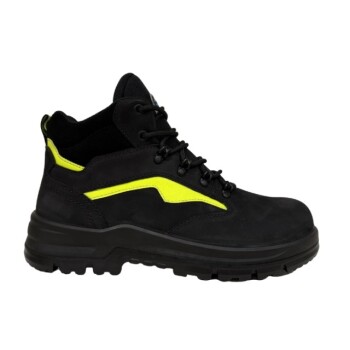
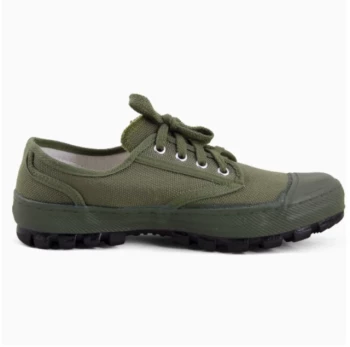
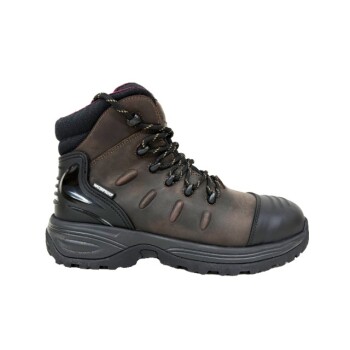
Specifically, these boots derive their durability from a polyurethane-coated leather rand and robust triple-stitching construction. These features are explicitly designed to protect high-wear areas and maintain structural integrity during heavy, sustained use across many miles.
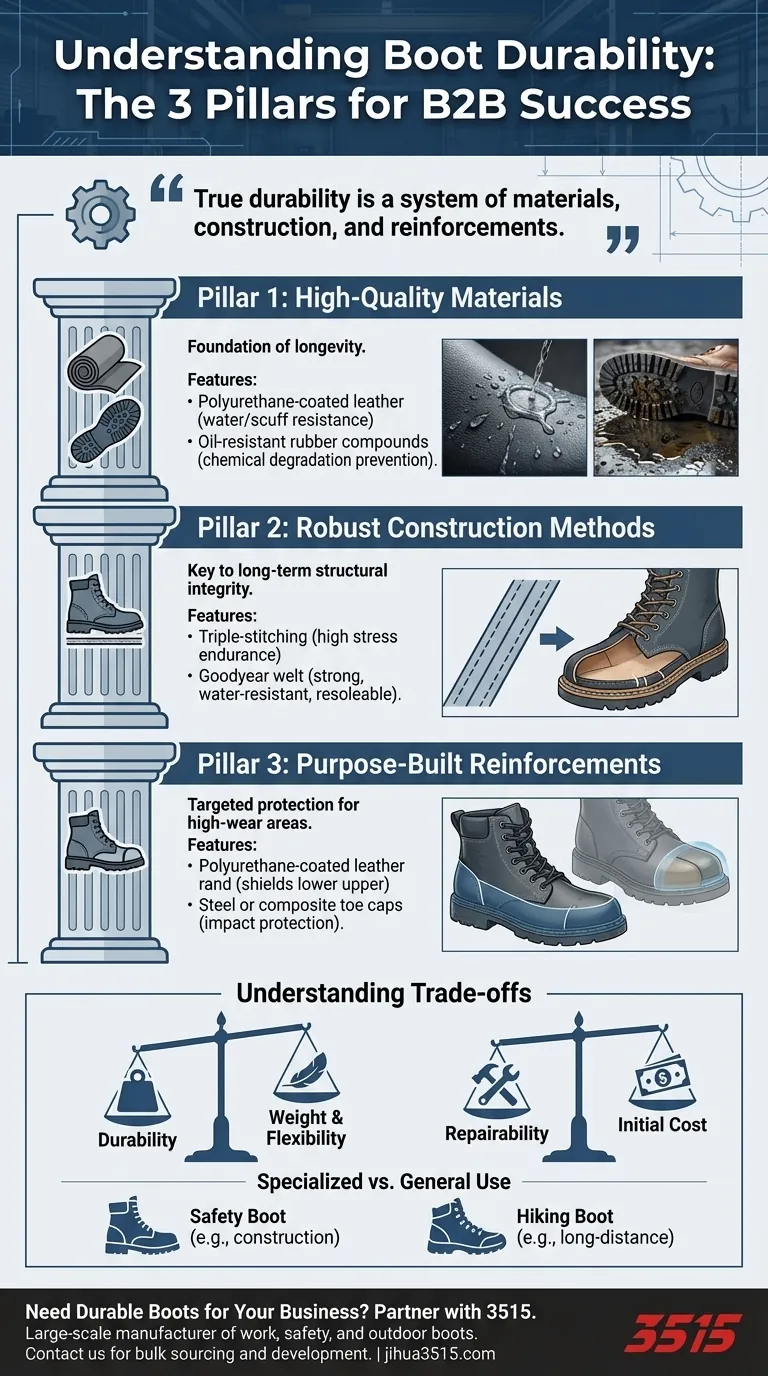
True boot durability is not the result of a single feature, but a system of three elements working together: superior materials, robust construction methods, and reinforcements tailored to a specific purpose.
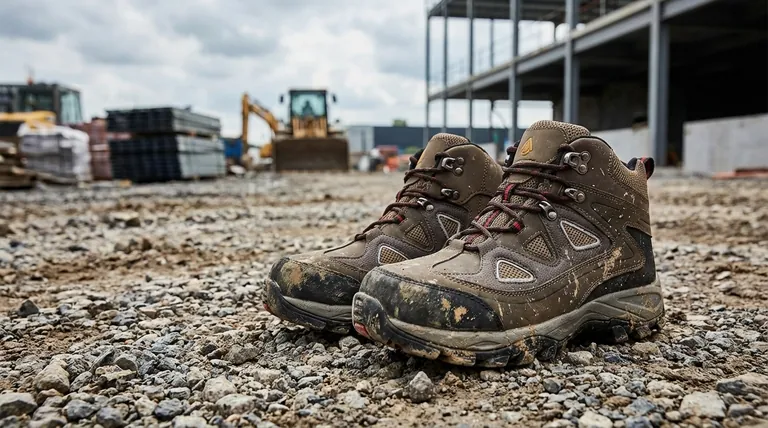
The Core Pillars of Boot Durability
To understand if a boot is truly durable, you must look beyond a single feature and evaluate its underlying design philosophy. This involves assessing its materials, how it's assembled, and the specific reinforcements it includes.
Pillar 1: High-Quality Materials
The foundation of any durable product is the quality of its raw materials. For boots, this typically involves leather, synthetics, and specialized rubber compounds.
High-grade leathers, like those used in premium work and cowboy boots, provide exceptional resistance to abrasion and tearing. Coating the leather, as with the polyurethane-coated rand on these boots, adds a significant layer of water and scuff resistance.
For soles, the material choice is critical for both traction and longevity. Compounds like oil-resistant rubber prevent chemical degradation in work environments, while materials like crepe rubber offer a balance of resilience and comfort.
Pillar 2: Robust Construction Methods
How a boot's upper is joined to its sole is one of the most critical indicators of its long-term durability and repairability.
The triple-stitching on these boots is a clear sign of robust assembly, ensuring the seams can withstand high stress without failing.
A more advanced technique is the Goodyear welt, where a strip of leather is stitched around the boot's perimeter to attach the upper to the sole. This method, common in high-end boots, creates an exceptionally strong and water-resistant bond that also allows the boot to be resoled multiple times, vastly extending its life.
Pillar 3: Purpose-Built Reinforcements
Beyond the core assembly, specific features are added to protect against particular types of wear and tear, aligning the boot's durability with its intended task.
The leather rand on these boots is a perfect example. It's a protective strip that wraps around the boot where the upper meets the sole, shielding a common high-impact area from rocks, scuffs, and moisture.
Other examples include steel or composite toe caps for impact protection in safety boots, reinforced shanks in the midsole for stability, and midsole penetration resistance to guard against sharp objects from below.
Understanding the Trade-offs
No design choice is without its compromises. True durability often involves balancing competing factors.
Durability vs. Weight & Flexibility
The most durable construction methods, like thick welts and soles, inevitably add weight and can make a boot feel stiff initially. Tactical boots often mitigate this by incorporating durable nylon panels, trading some abrasion resistance for reduced weight and better flexibility.
Repairability vs. Initial Cost
A Goodyear-welted boot is significantly more durable and repairable than one with a cemented (glued) sole. However, this complex construction method also increases the manufacturing cost, resulting in a higher upfront price.
Specialized vs. General Use
Durability is not a universal metric; it is context-dependent. A safety boot with a 200-joule toe cap is exceptionally durable on a construction site but is unnecessarily heavy and ill-suited for a long-distance hike. The features must match the environment.
How to Evaluate Durability for Your Needs
Use these principles to assess whether a boot's features align with your specific goals.
- If your primary focus is heavy-duty work or safety: Look for specific protective reinforcements like a certified toe cap, oil-resistant sole, and midsole penetration resistance.
- If your primary focus is long-term value and repairability: Prioritize construction methods like a Goodyear welt and high-quality, full-grain leather uppers that can be cared for and resoled.
- If your primary focus is rugged hiking or outdoor use: Seek a balance of robust stitching, a protective rand for abrasion resistance, and high-quality materials that offer durability without excessive weight.
By understanding these core principles, you can look beyond marketing and accurately judge the true resilience of any boot.
Summary Table:
| Durability Pillar | Key Feature | Benefit |
|---|---|---|
| Materials | Polyurethane-coated leather, Oil-resistant rubber | Superior abrasion, water, and chemical resistance. |
| Construction | Triple-stitching, Goodyear welt | Exceptional seam strength, water resistance, and resole-ability. |
| Reinforcements | Protective rand, Steel toe cap | Targeted protection for high-wear areas and safety. |
Need Durable Boots for Your Business? Partner with 3515.
As a large-scale manufacturer, 3515 produces a comprehensive range of durable footwear for distributors, brand owners, and bulk clients. Our production capabilities encompass all types of work boots, safety boots, and outdoor boots, built with the robust materials and construction methods detailed above.
We can help you source or develop high-quality, long-lasting footwear that meets the specific demands of your market. Contact our team today to discuss your requirements and get a quote.
Visual Guide
Related Products
- Durable Leather Work Boots for Wholesale & Custom Manufacturing
- Durable Leather Work Boots for Wholesale & Custom OEM Manufacturing
- Durable Leather Work Boots Wholesale Manufacturer & Custom Factory
- Durable Leather Moc Toe Work Boots for Wholesale & Custom Manufacturing
- Wholesale Leather Work Boots with Customizable Wedge Sole for Brands
People Also Ask
- What is the difference between full-grain and top-grain leather? Premium Material Guide for Boot Manufacturers
- What are the common workplace hazards that can be mitigated with the right work boots? Protect Your Workforce
- What are the common foot issues workers face due to uncomfortable work boots? Prevent Pain & Deformities
- What are the advantages of leather versus synthetic work boots? A Guide to Choosing the Right Material
- What are the key components of modern work boots? Engineered for Ultimate Durability and Comfort