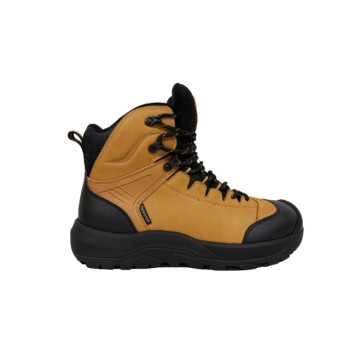
The thermal integrity of winter cycling shoes is achieved through an integrated construction of insulated waterproof membranes, protective wraparound shields, and extended ankle cuffs. This multi-layered architecture creates a hermetic seal that traps body heat while simultaneously blocking external environmental factors like sleet, snow, and frigid air.
To maintain performance in extreme conditions, winter cycling shoes must transition from simple footwear to complex environmental barriers. High-volume success in this category requires a fusion of advanced synthetic insulation, moisture-wicking membranes, and structural designs that eliminate common points of failure like sole vents and exposed zippers.
Advanced Moisture Exclusion Technologies
The Role of Integrated Membranes
The primary defense against moisture is an insulated waterproof membrane embedded within the shoe’s upper layers. These technical fabrics are engineered to be microporous, allowing internal water vapor (sweat) to escape while preventing larger external water droplets from penetrating the core.
Sealing the Entry Points
Standard footwear often fails at the seams and closures; however, premium winter cycling boots utilize taped seams and waterproof zippers. By eliminating traditional sole vents found in summer shoes, manufacturers prevent "bottom-up" water ingress, ensuring the foot remains dry even when riding through deep slush or standing water.
Extended Cuff and Shield Design
A tall, flexible cuff is essential for creating an overlapping seal with winter tights, preventing water from running down the leg and into the boot. This is often paired with a wraparound exterior shield that adds an aerodynamic layer of protection against wind chill and road spray.
Engineering Superior Thermal Retention
Synthetic Insulation Layering
Manufacturers utilize high-performance synthetic insulation because it maintains its loft and warming properties even when damp. These materials are strategically layered to trap a boundary layer of warm air around the foot without adding excessive bulk or weight that would hinder pedaling efficiency.
Heat Loss Prevention through the Sole
A significant amount of heat is lost through the bottom of the foot via conduction with the pedals. Professional-grade winter boots incorporate insulated insoles and thermal-reflective barriers within the sole unit to block cold transfer from the cleat interface.
Materials and Structural Integrity
Advanced synthetics are chosen not just for warmth, but for their ability to maintain structural integrity in sub-zero temperatures. Unlike natural materials that may stiffen or crack, these specialized composites remain supple, ensuring a consistent fit and long-term durability for the end user.
Understanding the Trade-offs
Breathability versus Absolute Waterproofing
While a shoe can be made entirely "waterproof" using non-breathable materials, this often leads to internal moisture buildup from perspiration. The challenge for manufacturers is balancing the vapor transmission rate with external protection to prevent the "plastic bag effect," where the rider's feet become wet from the inside out.
Weight and Power Transfer
Adding insulation and protective shields naturally increases the weight of the footwear. For high-performance brands, the goal is to optimize the warmth-to-weight ratio, ensuring the boot provides sufficient protection without significantly impacting the rider's power-to-weight efficiency during long winter base miles.
The Enterprise-Grade Manufacturing Advantage
Heritage and Technical Expertise
Scaling the production of complex winter footwear requires a deep historical foundation in technical manufacturing. Since 1951, our facilities have evolved alongside cycling technology, combining decades of craftsmanship with state-of-the-art equipment to deliver consistent, high-volume output for global distributors.
Rigorous Certification and Quality Control
Maintaining market leadership requires adherence to comprehensive international certifications. Every production run undergoes stringent testing to ensure that waterproof membranes and thermal layers meet the exact specifications required by premium brand owners and B2B resellers.
Robust OEM/ODM Capabilities
For brand owners looking to capture the winter market, OEM/ODM flexibility is critical for differentiation. Our supply chain stability and massive production scale allow for the integration of custom features—such as specialized non-slip soles or unique closure systems—while maintaining the rapid delivery schedules required by large-scale wholesalers.
Making the Right Choice for Your Goal
As a distributor or brand owner, selecting the right technical specifications depends on your target market's specific environmental needs and price points.
- If your primary focus is extreme climate performance: Prioritize models featuring integrated tall cuffs, taped seams, and high-loft synthetic insulation to ensure maximum protection.
- If your primary focus is high-cadence road cycling: Select designs that emphasize low-profile wraparound shields and breathable membranes to balance warmth with aerodynamic efficiency.
- If your primary focus is supply chain reliability and volume: Partner with a manufacturer that offers a proven heritage since 1951 and the state-of-the-art infrastructure necessary for consistent large-scale delivery.
By integrating advanced membrane technology with structural moisture barriers, modern manufacturing delivers a cycling boot that empowers riders to defy the elements with confidence.
Summary Table:
| Key Design Feature | Technical Specification | Primary Benefit |
|---|---|---|
| Integrated Membrane | Microporous waterproof fabric | Blocks external water while allowing sweat vapor to escape. |
| Synthetic Insulation | High-loft thermal layering | Retains warmth even in damp conditions without excessive bulk. |
| Sealing Architecture | Taped seams & waterproof zippers | Eliminates water ingress at traditional points of failure. |
| Extended Cuffs | Tall, flexible wrap-around shields | Prevents rain and snow from entering through the top of the boot. |
| Thermal Insoles | Heat-reflective barriers | Blocks conductive heat loss through the cleat and pedal interface. |
Partner with 3515 for Premium Footwear Manufacturing
Elevate your product line with 3515, a large-scale manufacturer with a rich heritage dating back to 1951. We empower distributors and brand owners with massive production scale, state-of-the-art equipment, and comprehensive international certifications.
As your strategic partner, we offer:
- Advanced OEM/ODM Capabilities: Tailored solutions for winter cycling boots, outdoor shoes, and sneakers.
- Unmatched Supply Chain Stability: Consistent, large-volume delivery to meet global market demands.
- Flagship Quality: While we are leaders in the Safety Shoes series, our expertise covers all footwear types, from tactical boots to formal dress shoes.
Ready to scale your inventory with a trusted industry leader?
Contact 3515 Today to Discuss Your Bulk Requirements
Related Products
- Premium Insulated Safety Boots and Shoes for Wholesale & Bulk Orders
- Wholesale Durable Camouflage Canvas Shoes with High-Traction Cleated Rubber Sole
- Premium Suede Sport Safety Shoes for Wholesale & Bulk Orders
- Advanced KPU Athletic Safety Shoe with Steel Toe Cap Anti-Slip Rotary Lacing System
- Lightweight Breathable Sneakers with Wet-Traction Grip for Wholesale & Private Label
People Also Ask
- What are the recommended insulation ratings for mild winter conditions? A Guide for Active & Stationary Workers
- How does insulation thickness correlate with temperature ranges? A Guide to Choosing the Right Warmth
- What insulation level is needed for severe cold and stationary work? 1200g or Higher is Essential
- What safety advantages do insulated boots offer beyond warmth? Dielectric Protection & Superior Grip
- How does fleece lining contribute to the warmth of insulated boots? Trapping Air for Superior Cold Protection