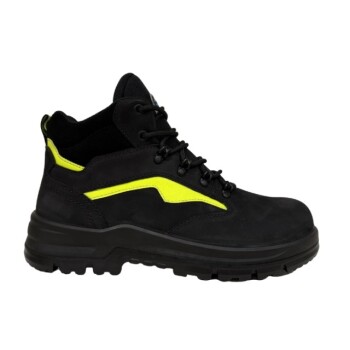
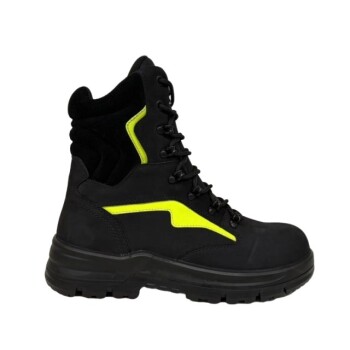
Beyond just being waterproof, modern PVC work boots are engineered with a surprising number of features designed for all-day comfort. They commonly include cushioned and often replaceable insoles, supportive arches, flexible soles for natural movement, and specialized breathable linings to manage the internal climate and reduce fatigue during extended wear.
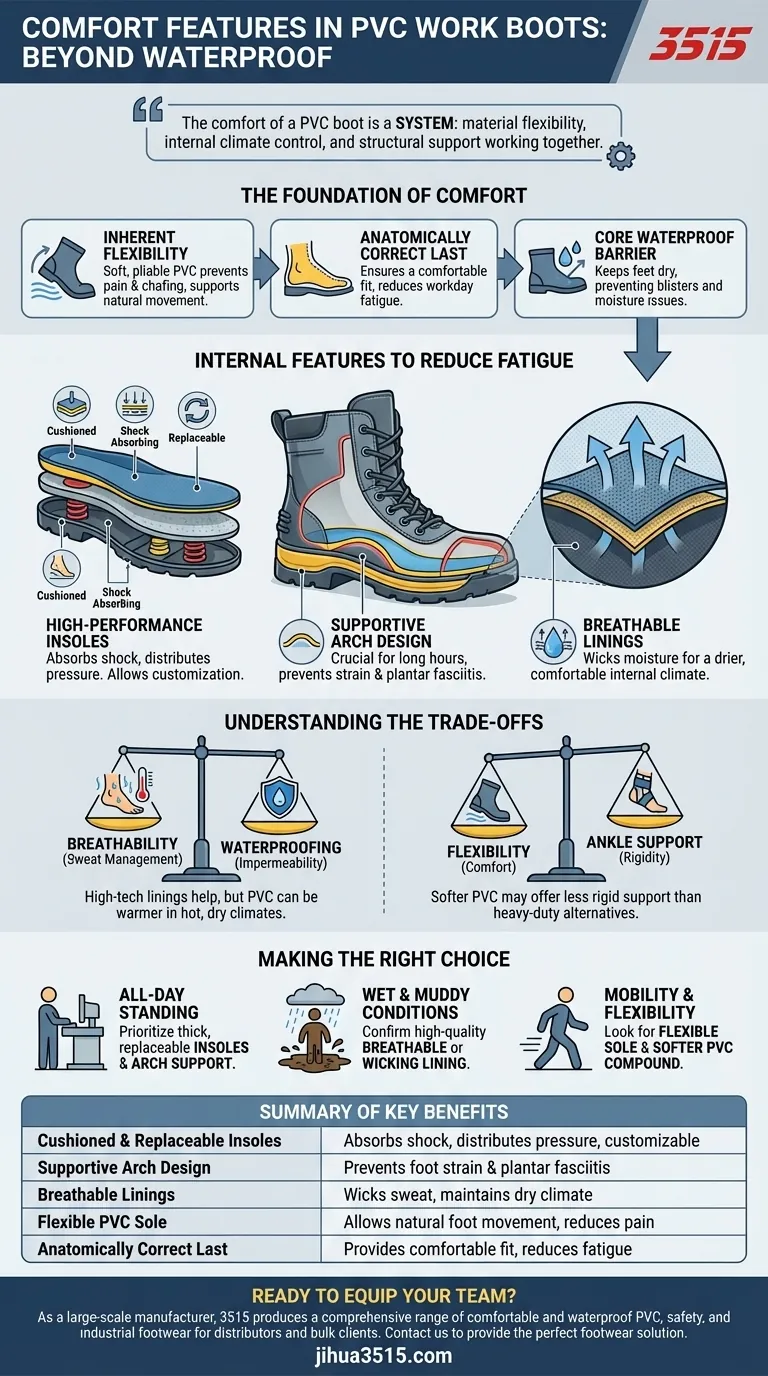
The comfort of a PVC boot is best understood as a system. It's not just about adding padding; it's how the inherent flexibility of the material, the internal climate control of the lining, and the structural support of the insole work together to keep you dry and reduce physical strain.
The Foundation of Comfort: Material and Construction
The core comfort of a PVC boot begins with its fundamental design, long before any extra cushioning is added.
The Inherent Flexibility of PVC
Unlike many hard or rigid boot materials, polyvinyl chloride (PVC) is naturally soft and pliable. This inherent flexibility helps prevent the foot pain, chafing, and discomfort that can arise from materials that fight the natural movement of your foot.
The Importance of the Boot's "Last"
A boot's shape is determined by the "last," a foot-shaped form used during manufacturing. A well-designed, full-size last ensures the boot has an anatomically correct shape, providing a comfortable fit that reduces fatigue throughout the workday.
Waterproofing as a Core Comfort Feature
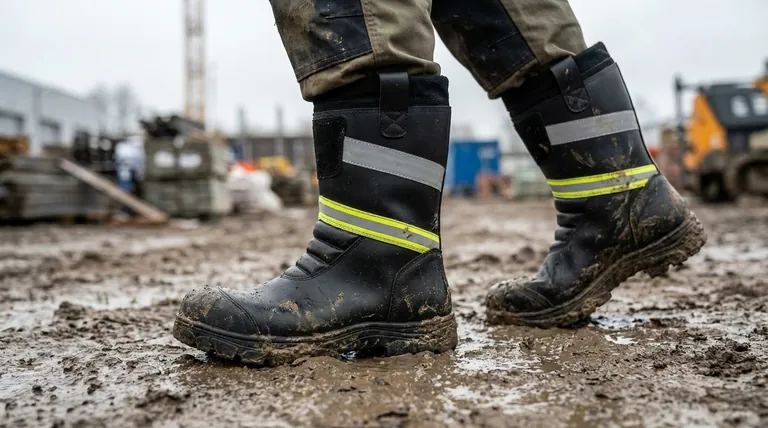
The primary benefit of PVC is its complete waterproof barrier. This isn't just a protective feature; it's a critical comfort feature. Keeping feet dry is the first step to preventing blisters, discomfort, and other moisture-related issues in wet and muddy conditions.
Internal Features That Reduce Fatigue
While the external shell keeps you dry, the internal components are what actively combat foot strain and fatigue.
High-Performance Insoles
Most quality PVC work boots include cushioned insoles designed for all-day wear. These absorb shock and distribute pressure evenly across the foot. Many models also feature replaceable insoles, allowing you to customize the boot with orthotics or replace worn-out inserts to extend the boot's comfortable lifespan.
Supportive Arch Design
For workers who spend long hours on their feet, proper arch support is non-negotiable. Modern PVC boots often incorporate enhanced arch support directly into the midsole or insole, which is crucial for preventing foot strain and conditions like plantar fasciitis.
Breathable Linings
It may seem counterintuitive for a waterproof boot, but a breathable lining is essential for comfort. While the PVC shell blocks external water, this lining works to wick sweat and moisture away from your foot, maintaining a drier and more comfortable internal climate.
Understanding the Trade-offs
While highly effective, PVC boots have inherent trade-offs that are important to consider.
Breathability vs. Waterproofing
The same impermeability that makes PVC completely waterproof also means the material itself does not breathe. While high-tech linings help manage sweat, in extremely hot and dry climates, a PVC boot can feel warmer than a leather or fabric alternative.
Flexibility vs. Ankle Support
The softness that makes PVC comfortable can sometimes mean less rigid ankle support compared to heavy-duty leather or composite boots. For work on highly uneven terrain or that requires significant ankle stability, this is a key factor to weigh.
Making the Right Choice for Your Goal
Select features based on the primary demands of your workday.
- If your primary focus is all-day standing comfort: Prioritize boots with thick, replaceable cushioned insoles and explicitly stated arch support.
- If your primary focus is working in wet and muddy conditions: Confirm the boot has a high-quality breathable or moisture-wicking lining to manage internal sweat.
- If your primary focus is mobility and flexibility: Look for a boot that emphasizes a flexible sole and a softer PVC compound that won't restrict movement.
Ultimately, the most comfortable PVC boot is one where the internal features correctly complement the protective needs of your specific work environment.
Summary Table:
| Comfort Feature | Key Benefit |
|---|---|
| Cushioned & Replaceable Insoles | Absorbs shock, distributes pressure, and allows for customization. |
| Supportive Arch Design | Prevents foot strain and conditions like plantar fasciitis. |
| Breathable Linings | Wicks away sweat to maintain a dry, comfortable internal climate. |
| Flexible PVC Sole | Allows for natural foot movement, reducing pain and chafing. |
| Anatomically Correct Last | Provides a comfortable fit that reduces fatigue throughout the day. |
Ready to equip your team with comfortable, durable work boots?
As a large-scale manufacturer, 3515 produces a comprehensive range of PVC, safety, and industrial footwear for distributors, brand owners, and bulk clients. Our production capabilities encompass all types of comfortable and waterproof shoes and boots, tailored to your specific needs.
Contact us today to discuss your requirements and discover how we can provide the perfect footwear solution for your business.
Visual Guide
Related Products
- Wholesale Customizable Safety Boots Durable & Protective Footwear Manufacturing
- Wholesale Heavy-Duty Waterproof Steel Toe Work Boots OEM Manufacturer
- Durable Leather Work Boots for Wholesale & Custom Manufacturing
- Durable Leather Work Boots for Wholesale & Custom OEM Manufacturing
- Durable Leather Moc Toe Work Boots for Wholesale & Custom Manufacturing
People Also Ask
- Why are industrial safety boots with steel toes necessary for machine operators? Essential Foot Protection for Safety
- What is the history of steel toe work boots? From German Invention to Modern Safety Standard
- What are the different types of steel toe work boots? Choose the Right Boot for Your Job
- What are the pros and cons of steel toe work boots? A Guide to Maximum Protection vs. Comfort
- What styles can safety toe work boots come in? From Classic to Casual, Find Your Perfect Fit