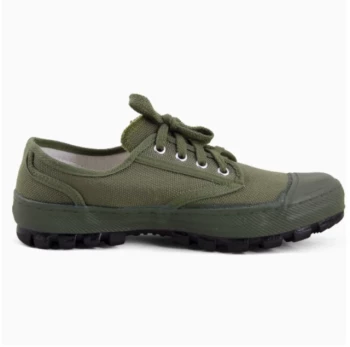
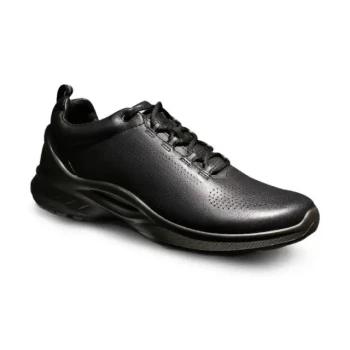
Standardizing walking footwear during gait analysis is a critical experimental control designed to isolate intrinsic human movement from external mechanical variables. By requiring participants to wear shoes with uniform stability and support, researchers simulate real-world walking conditions while actively eliminating data artifacts caused by variable heel heights, material stiffness, or inconsistent friction levels.
The ultimate goal of this protocol is to ensure that observed gait patterns reflect the participant's actual physiological capacity rather than the influence of the equipment. This creates a baseline for data reliability, ensuring results remain comparable across different testing sessions and participant batches.
Preserving Data Integrity
Isolating Intrinsic Gait Capacity
The primary technical consideration is the isolation of the subject's intrinsic gait capacity.
If footwear is not standardized, variables such as "trunk leaning" or "knee flexion" could be attributed to a high heel or a worn-out slipper rather than the patient's spinal or structural condition. Standardization ensures that any deviation in the data is derived solely from the patient's physiology.
Ensuring Experimental Consistency
In longitudinal studies or batch testing, consistency is paramount.
Allowing personal footwear introduces noise into the dataset, making it difficult to replicate results or compare different subject groups. A standardized approach maintains the comparability of results by treating the shoe as a constant rather than a variable.
Technical Requirements for the Footwear
Interface Stability
The shoe acts as the sole interface between the participant and the electronic walkway.
To ensure the collected pressure data is accurate, the footwear must provide consistent stability and support. This prevents the foot from shifting unpredictably within the shoe or on the walkway, which would skew kinematic data.
Material Specifications
According to best practices, the protocol should mandate professional training shoes or sneakers.
Technicians should look for moderate sole hardness and consistent grip. These specific material properties eliminate experimental errors related to friction variances, ensuring the subject interacts with the ground force plate or walkway in a predictable manner.
Understanding the Trade-offs
Simulation vs. Habitual Reality
While standardization ensures consistency, it technically represents a "simulated" real-life environment.
Researchers must acknowledge that a standardized shoe may correct certain gait issues that occur when the patient wears their habitual (potentially poor-quality) footwear. However, for the purpose of analyzing anatomical structure and joint motion, this trade-off is necessary to obtain a clean signal.
The Role of Marker Protocols
When using standardized shoes, the setup often works in tandem with kinematic models (such as a 22-marker protocol).
While the shoe stabilizes the interaction with the floor, the marker placement ensures the measurement of joint motion remains anatomically accurate. The shoe must not interfere with the placement of markers on the lower limbs to maintain the validity of the multi-dimensional angular data.
Making the Right Choice for Your Protocol
To ensure your gait analysis yields valid, actionable data, choose your footwear protocol based on your specific experimental goals:
- If your primary focus is diagnosing anatomical or structural abnormalities: Use standardized sneakers to eliminate external variables and isolate the patient's intrinsic movement.
- If your primary focus is assessing real-world fall risk in elderly patients: Consider a dual-test approach, recording one pass in standardized shoes for baseline data and one pass in the patient's habitual footwear.
By controlling the variable of footwear, you effectively secure the link between the collected data and the biological reality of the patient.
Summary Table:
| Consideration Category | Key Requirement | Impact on Gait Analysis |
|---|---|---|
| Data Integrity | Isolating Intrinsic Capacity | Eliminates artifacts caused by variable heel heights or material stiffness. |
| Consistency | Experimental Standardization | Ensures comparability of results across different subjects and sessions. |
| Interface Stability | Consistent Support | Prevents foot shifting to ensure accurate pressure and kinematic data. |
| Material Specs | Moderate Sole Hardness | Provides predictable ground reaction forces and consistent friction levels. |
| Kinematic Accuracy | Marker Compatibility | Ensures footwear does not interfere with anatomical marker placement. |
Elevate Your Gait Analysis Accuracy with 3515
Precision in gait analysis starts with the right footwear foundation. As a premier large-scale manufacturer, 3515 specializes in delivering high-quality, standardized footwear solutions for distributors and brand owners worldwide. Our comprehensive production capabilities allow us to provide consistent, stable sneakers and training shoes that meet the rigorous technical requirements of medical and sports research.
From our flagship Safety Shoes series to specialized training, tactical, and outdoor footwear, we ensure every pair offers the uniform material properties and grip necessary to eliminate experimental noise. Whether you are outfitting a clinical study or expanding your brand's performance footwear line, we offer the scale and expertise to support your goals.
Ready to secure your data with professional-grade footwear? Contact us today to discuss your bulk production needs and discover how 3515 can enhance your product portfolio.
References
- Yari Longobucco, Marcello Maggio. Gait characteristics in community-dwelling older persons with low skeletal muscle mass and low physical performance. DOI: 10.1007/s40520-021-02061-0
This article is also based on technical information from 3515 Knowledge Base .
Related Products
- Wholesale Durable Camouflage Canvas Shoes with High-Traction Cleated Rubber Sole
- Durable Rubber Sole Outdoor Shoes Wholesale & Custom Manufacturing
- Premium Suede Sport Safety Shoes for Wholesale & Bulk Orders
- Durable Goodyear Welt Leather Work Boots for Wholesale & Private Label
- Wholesale Comfortable Business Casual Shoes Custom Manufacturing
People Also Ask
- Why is the selection of high-strength fabric materials necessary in the production of canvas shoes and training shoes?
- What are the properties of canvas as a shoe material? A Guide to Lightweight Comfort & Style
- Can canvas shoes be worn in rainy conditions? The Truth About Water Resistance
- What are some examples of vulcanized shoes? Discover the Flexibility and Board Feel of Classic Sneakers
- What are the characteristics of canvas as a shoe material? A Guide to Lightweight, Breathable Footwear